
Blood and Debt: Kenya’s Lenten Crisis and the Shadows of Power
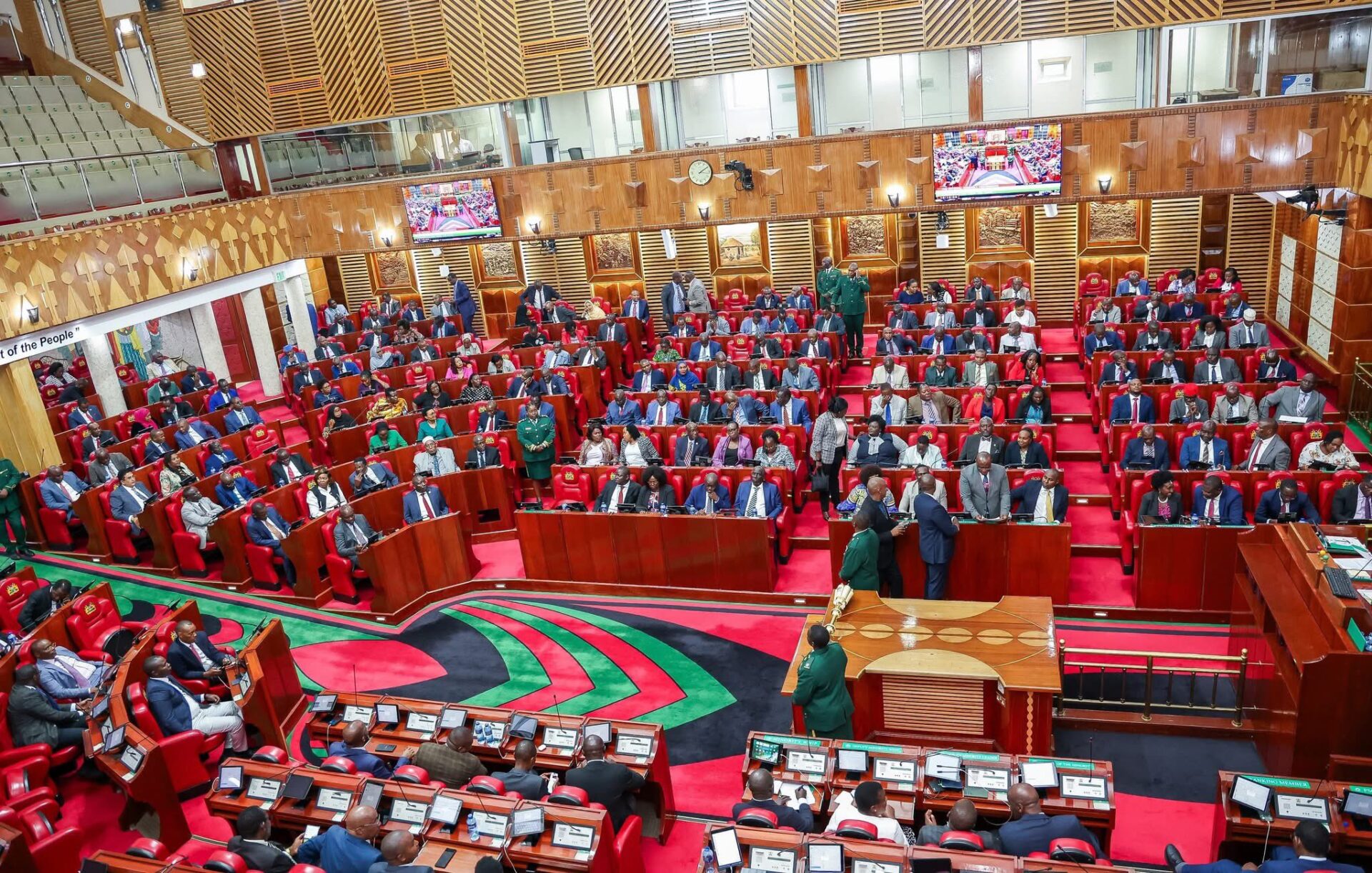
In the heart of Nairobi, the Kenyan National Assembly stands as a paradox—a symbol of democracy shadowed by decades of scandal. By March 2025, the stakes have never been higher. Hospitals lack reagents to test blood, patients die in corridors, and mothers plead for answers as their children vanish into global trafficking networks. Meanwhile, the Treasury’s clandestine Medium-Term Debt Management Strategy (MTDS) funnels billions into opaque projects, leaving villages without schools or clean water. This is not just politics; it is a fight for Kenya’s soul.
This article dissects the interlocking crises of debt, corruption, and human suffering that defined Kenya’s Lenten season of 2025. For the international community and Africa, it is a cautionary tale of governance gone awry—and a blueprint for resistance.
The Theatre of Absurdity
The National Assembly’s marbled halls, once symbols of post-independence optimism, now echoed with the hollow clatter of political theatre. Sunlight streaming through stained-glass windows cast jagged shadows over MPs, whose voices ricocheted like bullets. Hon. Kaguchia, his tie askew, slammed his desk: “Kenyans are dying because we cannot TEST BLOOD!” His roar mingled with the ghostly whispers of past scandals—Anglo-Leasing, Chickengate , Eurobond heists —each a spectral reminder of a nation haemorrhaging trust.
Hon. Esther Passaris, her crimson blazer a slash of defiance, leaned into the microphone. “The police found a knife… near the hospital,” she drawled, her Nairobi sarcasm sharper than the blade she referenced. “But of course, the suspect is the patient next to Gilbert. Because in Kenya, even death is a committee meeting.” Laughter rippled through the chamber—a nervous, mirthless sound—as aides shuffled papers to hide grins.
The Debt Mirage
Behind the theatrics lay the Medium-Term Debt Management Strategy (MTDS), a document touted as fiscal salvation but reeking of deceit. The Treasury had masterfully repackaged Ksh831 billion in borrowing—a cocktail of Eurobonds, syndicated loans, and “concessional” aid—into a glossy report. Yet, as Hon. Ojiambo Oundo would later hiss, “This isn’t strategy. It’s a manual for bankruptcy!”
The numbers were a labyrinth. Domestic debt (65%) choked local banks, while external loans (35%) came with strings only diplomats could see. Hospitals lacked reagents because funds had been “redirected” to phantom infrastructure projects. A nurse in Kisumu tweeted a photo of a patient bleeding out next to a “Borrow Responsibly” poster. The internet erupted: #BloodOrBail trended, a macabre Lenten hymn.
Lenten Farce
The irony was visceral. As bishops called for fasting, MPs debated whether to classify debt as “external” or “domestic”—a surreal distraction. Hon. Gabriel Tongoyo argued human trafficking was a “foreign affairs issue,” while Silas Koigi , a lobbyist with ties to Thai scam factories, slipped envelopes to committee chairs. The air thickened with desperation, the scent of betrayal mingling with the MPs’ cologne.
Ghosts in the Walls
Past scandals materialized like djinn . When Hon. Hussein Abdi demanded action on trafficking, the chamber’s speakers crackled—a hacker played John Githongo’s 2006 testimony : “It is our duty to fight corruption…” The lights flickered. A security guard swore he saw Tom Mboya’s silhouette in the gallery.
The MTDS Unmasked
Leaked excerpts revealed the MTDS’s true purpose: a Trojan Horse to shield cronies. Clause 7.2 allowed “flexibility” in borrowing mixes, enabling officials to swap concessional loans for pricier commercial debt. Hon. Julius Melly scoffed: “We’re not managing debt—we’re laundering it!”
Meanwhile, in Wajir, a mother received a photo of her son in Myanmar, forced to scam retirees. The image went viral, overlaid with the MTDS’s logo. “They’re trading blood for bonds,” a caption read.
A Nation’s Pulse
Yet, amid the farce, a heartbeat endured. Amina’s voice, broadcast live from Garissa, pierced the din: “My son is in Myanmar. What are you debating?” Her question hung, unanswered, as the Hansard recorded only the clatter of a deputy’s dropped phone.
The Dance Continues
The MTDS passed at 3:00 a.m., as protesters outside chanted “RIP Kenya.” Hon. Kaguchia collapsed in his chair, muttering, “We’ve sold our children’s lungs.”
The next day, a janitor found a scribbled note tucked behind a portrait of Jomo Kenyatta : “The debt is not a crisis. It is a coup.”
The sun set, casting the Assembly in blood-orange light. Somewhere, a nurse wiped a patient’s brow, muttering, “We are all hostages now.”
The Unseen War
In Garissa, the sun blazed over cracked earth as Amina traced her son’s face in a faded photo. Abdul , 22, had been her hope—a college dropout turned breadwinner, lured by a recruiter’s promise of “good jobs in Dubai.” Instead, he’d been shipped to Myanmar, forced to scam retirees from squalid camps. Her voice, trembling during a Radio Rahma interview, became a rallying cry: “They took my boy. They took his future. What kind of Kenya are we building?”
The Ghosts of Parliament
Her grief wove through parliamentary debates like a poisoned thread. Hon. Hussein Abdi demanded trafficking investigations, but the chamber’s speakers crackled—a hacker played John Githongo’s 2006 testimony : “It is our duty to fight corruption…” The lights flickered. A security guard swore he saw Tom Mboya’s silhouette in the gallery, his ghostly finger pointing at MPs squabbling over committee seats.
Satirical Highlight:
“Committee assignments!” scoffed Hon. Esther Passaris , her crimson blazer a slash of defiance. “We’re rearranging deck chairs on the Titanic while Kenya’s youth drown.”
The Recruiters’ Web
In Wajir, fake agencies thrived, their offices adorned with forged licences. Silas Koigi , a lobbyist with ties to Thai scam factories, slipped envelopes to MPs. “Dubai jobs” were code for hell: youths stripped, starved, and forced to defraud the elderly. A survivor’s text to Amina—“Mama, they broke my fingers” —went viral, overlayed on the MTDS report.
Data Point:
Over 2,000 Kenyans were trafficked to Myanmar in 2024, per HAART Kenya.
The Rallying Cry
Amina’s lament sparked rebellion. #BringBackOurBoys trended as mothers marched to Parliament, brandishing photos of missing sons. Hon. Odege Tom Mboya (yes, his nephew) tearfully recounted a constituent’s suicide note: “Tell my mother I’m sorry I believed the posters.”
Heartwarming Moment:
Amina and Hon. Hussein Abdi shared a tearful embrace outside the chamber. “This is not politics,” he whispered. “This is motherhood.”
The Supernatural Whispers
The Assembly’s ghosts grew restless. During a vote, John Githongo’s voice boomed through the PA system: “Corruption is a monster that eats its own!” Lights dimmed as Tom Mboya’s portrait oozed blood-red paint—a janitor’s prank, officials claimed. Yet, MPs crossed themselves. Even Silas Koigi avoided the gallery after dusk.
The Irony of Lent
As bishops called for fasting, Amina fasted for justice. Her WhatsApp status—“What use is Lent when our children are Lent to traffickers?” —went viral. Hon. Julius Melly skewered the hypocrisy: “We borrow billions for ‘development,’ yet our youth are sold like cattle. This is not a debt crisis. It is a moral bankruptcy.”
The Light in the Darkness
Amid despair, hope flickered. Amina’s radio interview inspired Mama Zawadi , a Mombasa granny, to fundraise for trafficking survivors. University students formed #SackTheDebt protests, while nurses in Kisumu refused to turn away patients: “Let them arrest us. At least we’ll die with clean hands.”
Uplifting Twist:
Amina’s viral plea reached Myanmar activists , who smuggled proof of Abdul’s survival. “He’s alive,” she sobbed on live TV. “But how many mothers wait in silence?”
The Unfinished Lament
Amina’s story ended, but Kenya’s lament continued. As MPs adjourned for Easter, her photo haunted the Assembly—a mother’s eyes asking, “What have you done with my son?”
Final Line:
“In the end,” a clerk muttered, burning incense to dispel the ghosts, “we are all just mothers begging for mercy.”
The Web of Deceit
In the dusty border towns of Wajir and Mandera , fake recruitment agencies masqueraded as lifelines. Their offices, adorned with forged licences and glossy posters of Dubai skylines, lured desperate youth with promises of “instant visas” and “high-paying jobs.” Silas Koigi , a lobbyist with a reptilian grin, orchestrated the charade. By day, he sipped Tusker Lager at Nairobi’s Carnivore Restaurant, negotiating bribes with MPs. By night, he funnelled cash to border officials, ensuring truckloads of youths vanished into the Thai-Myanmar abyss.
Hon. Hussein Abdi’s Sisyphean Battle
When Hon. Hussein Abdi (MP for Tarbaj) demanded investigations, the bureaucracy clamped down. Files “disappeared.” Witnesses recanted. A survivor’s testimony—“They starve us if we refuse”— was redacted to “alleged mistreatment.” Even the Departmental Committee on Administration seemed complicit, reclassifying trafficking as a “foreign affairs issue” to dodge accountability.
Sinister Highlight:
During a hearing, a survivor’s mother lunged at Koigi, screaming, “You sold my son to the devil!” Security dragged her out as Koigi smirked, “Madam, this is international business.”
The Thai-Myanmar Nightmare
Flashbacks revealed the horror:
- Recruitment: Youth handed $200 “processing fees,” then crammed into lorries labeled “FRESH PRODUCE.”
- Smuggling: A perilous trek through Somalia, then a boat to Mae Sot, Thailand. Those who resisted were injected with sedatives.
- Enslavement: In Myanmar’s jungles, captives typed scam emails for 20 hours daily. “Breakfast is rice. Lunch is rice. Dinner is punishment,” testified Mohamed, a survivor.
Thrilling Escape:
One night, Amina’s son Abdul (see A Mother’s Lament) clawed through a bamboo wall, fleeing across minefields. His WhatsApp message—“Mama, I’m alive” —went viral, exposing Koigi’s network.
The Hyena’s Gambit
Koigi’s power lay in leaked documents —payments to MPs, forged police reports, and emails rerouting blame to “Thai cartels.” He hosted pool parties at Karen’s Royal Tulip Hotel, where lawmakers traded ethics for envelopes of shillings.
Satirical Dig:
“Why arrest traffickers,” joked Hon. Gabriel Tongoyo, “when we can reclassify them as ‘foreign investors’?”
The Ghost in the Machine
The syndicate’s reach was supernatural. When HAART Kenya published a report, their website crashed—hacked by a Myanmar-based IP. A nurse in Garissa received a photo of her trafficked daughter with a caption: “Stop asking questions.”
Eerie Moment:
During a parliamentary session, the lights dimmed as John Githongo’s voice boomed: “Corruption eats its own!” Koigi paled but laughed it off: “Ghosts can’t audit banks.”
The Unseen Chains
The syndicate thrived because it was a spectacle —a Hydra with MPs as its heads. Yet, as #BringBackOurBoys protests swelled, Koigi’s empire trembled.
Final Line:
“We are not victims,” whispered Abdul, now a activist. “We are evidence.”
The Cursed Scroll
The Treasury’s Medium-Term Debt Management Strategy (MTDS) arrived in Parliament wrapped in the rhetoric of “fiscal prudence,” but its pages reeked of despair. To Hon. Julius Melly, it was less a strategy and more “a manual for bankruptcy, written in the blood of our children.” MPs debated whether to classify debt as “external” or “domestic”—a surreal pantomime as hospitals rationed gauze and classrooms crumbled.
Satirical Highlight:
A Standard cartoon depicted the MTDS as a cursed scroll, with Hon. Pukose clutching a “DEBT OR DEAD” sign, his face melting like a Dali clock. The caption: “Choose wisely… or default.”
The Theatre of the Absurd
In the Assembly, debates took on a Kafkaesque flair. Hon. Ojiambo Oundo likened the MTDS to “a magician’s hat—pull out enough rabbits, and no one notices the carnage backstage.” Meanwhile, Silas Koigi, a lobbyist with a laugh like a hyena’s cackle, circulated a memo: “Rebrand ‘debt’ as ‘investment’ in Hansard. Public too thick to notice.”
Dark Irony:
As MPs argued semantics, a nurse in Kisumu tweeted a photo of a patient bleeding out next to a “Borrow Responsibly” poster. The internet erupted: #BloodOrBail trended, a macabre Lenten hymn.
The Numbers Game
The MTDS proposed borrowing Ksh831 billion —a cocktail of Eurobonds, syndicated loans, and “concessional” aid. Yet 65% of domestic debt choked local banks, while 35% external debt came with strings only diplomats could see. Hon. Melly skewered the hypocrisy: “We borrow to live beyond our means, then blame the poor for our gluttony!”
Data Point:
Kenya’s debt hit Ksh11.2 trillion (65.7% of GDP) by 2025, yet 83% of loans funded recurrent expenses—salaries, SUVs, and “consultancies.” A leaked Treasury email read: “Burn the spreadsheets. The public reads lips, not numbers.”
The Ghost of Debt Past
The MTDS’s true purpose emerged: a Trojan Horse to shield cronies. Clause 7.2 allowed “flexibility” in borrowing mixes, enabling officials to swap concessional loans for pricier commercial debt. Hon. Esther Passaris quipped: “We’re not managing debt—we’re laundering it!”
Eerie Moment:
During a vote, the lights flickered as John Githongo’s voice boomed through the PA system: “Corruption eats its own!” MPs crossed themselves. Koigi muttered, “Ghosts can’t audit banks,” but avoided the gallery after dusk.
The National Sacrifice
The charade seeped into daily life. In Garissa , mothers sold kidneys to bury sons trafficked to Myanmar. In Nairobi, tycoons bought MTDS-themed art —collages of loan documents and shackled children. A gallery tagline read: “Invest in Tears.”
Tragicomic Scene:
At a fundraiser, Amina (see A Mother’s Lament) confronted Koigi : “You traded my son for a Range Rover!” He smirked, “Madam, this is international business.” The crowd jeered as waiters served “IMF-certified” canapés.
The Punchline
The MTDS passed at 3:00 a.m., as protesters outside chanted “RIP Kenya.” Hon. Pukose collapsed in his chair, muttering, “We’ve sold our children’s lungs.”
Final Satire:
The next day, a janitor found a scribbled note behind Jomo Kenyatta’s portrait: “The debt is not a crisis. It is a coup.”
The Joke’s on Us
The MTDS was a mirror—a reflection of a nation addicted to debt and delusion. As #BloodOrBail protests swelled, a street artist painted Nairobi’s Treasury building as a Jenga tower, one block labelled “2036 Eurobond.”
Final Line:
“We laugh,” whispered a nurse, “because if we cry, the debt will drown us.”
The Leak That Shook a Nation
Carolyne Wanjiku, a junior clerk in the Treasury’s dimly lit Infrastructure Contracts Division, stared at her screen. The cursor blinked like a metronome counting down to doom. Before her lay File X-7 : a labyrinth of spreadsheets exposing $2 billion “unaccounted for” in phantom infrastructure projects—roads to nowhere, bridges that dissolved in rain, hospitals built without roofs. Her fingers trembled. “This is our Arab Spring,” a voice inside her whispered. She clicked SEND .
The Midnight Raid
Three hours later, her Kibera shack shuddered under boots. GSU officers, faces masked, confiscated her laptop and pressed a blade to her brother’s throat. “Next time, it’s your daughter,” hissed a voice. Carolyne fled into the night, her phone buzzing with a viral storm: #BloodOrBail protests erupted outside Parliament, students waving placards with her leaked documents. A nurse’s tweet—“Patient bled out next to ‘Borrow Responsibly’ poster” —had ignited a revolution.
The Viral Inferno
By dawn, Nairobi burned. The Standard published a cartoon of Hon. Pukose clutching a “DEBT OR DEAD” sign, while Silas Koigi’s face melted like wax beneath Carolyne’s leaked files. University students chanted, “Wanjiku! Wanjiku!” as Hon. Julius Melly roared, “This is not a debt crisis—it’s a coup!”
Satirical Highlight:
A TikTok video mocked the MTDS as “a manual for Grand Theft Auto,” set to a remix of Sauti Sol’s “Nerea.”
The Phantom Files
Carolyne’s documents revealed “Ghost Projects” :
- Ksh500 million for a Marsabit dam that existed only on paper.
- $1.2 billion funneled to Cypriot shell companies linked to Silas Koigi .
- Eurobond funds diverted to renovate VIP toilets in the State House.
Eerie Moment:
During a parliamentary session, John Githongo’s voice boomed: “Corruption eats its own!” Lights flickered as Hon. Koigi paled, clutching a “BORROW OR BURY” memo.
The Hunt
Carolyne hid in Mathare , disguised as a mkokoteni vendor. Her family received “suicide notes” forged in her handwriting. Yet, her resolve hardened. “They think I’m a spark,” she texted a journalist. “I’m a wildfire.”
Thrilling Escape:
Chased by thugs, she vaulted over Kibera’s tin roofs, a flash drive sewn into her bra. A motorbike rider—#BringBackOurBoys activist Abdul —swooped her to safety.
The Cost of Truth
The government retaliated. HAART Kenya offices were firebombed. A survivor’s testimony—“They broke my fingers in Myanmar” —was scrubbed from YouTube. Yet, #BloodOrBail surged. In Garissa , Amina led mothers in a haunting dirge: “What have you done with our sons?”
Gripping Climax:
Carolyne’s leaked files reached Myanmar activists, exposing Kenyan officials colluding with scam factories. Abdul’s face appeared on BBC Africa : “We are not criminals. We are evidence.”
The Unseen Flame
Carolyne vanished, but her files lived on—“Kenya’s Pandora Papers.” MPs blamed “foreign spies,” but the genie was out. As #BloodOrBail protests swelled, a street artist painted Nairobi’s Treasury as a Jenga tower, one block labelled “2036 Eurobond.”
Final Line:
“They can bury me,” Carolyne’s last text read, “but the truth is a hyena. It digs.”
The Hypocrisy of Ashes
As bishops intoned “Remember, you are dust” in candlelit cathedrals, the National Assembly’s marbled halls reeked of cologne and corruption. Lent, a season of penance, had become a grotesque pantomime. Hon. Gabriel Tongoyo dismissed trafficking in northern Kenya as a “foreign issue,” while Silas Koigi , a lobbyist with a laugh like a hyena’s cackle, slipped envelopes to committee chairs. The air thickened with desperation—a miasma of betrayal, sweat, and the ghostly whispers of past scandals.
Irony Alert:
A nurse in Kenyatta National Hospital wiped a patient’s brow, muttering, “We are all hostages—to debt, to lies, to the dance.”
The Theatre of Shadows
The Assembly’s chandeliers cast jagged shadows over MPs debating debt classifications. Hon. Esther Passaris skewered the farce: “We’re rearranging deck chairs on the Titanic while Kenya’s youth drown.” Meanwhile, Hon. Pukose clutched a “DEBT OR DEAD” placard in a viral cartoon, his face melting like a Dali clock.
Chilling Moment:
During a vote, the lights flickered as John Githongo’s voice boomed: *“Corruption eats its own!”Silas Koigi paled but laughed: “Ghosts can’t audit banks.”
The Scent of Betrayal
Lent’s call for sacrifice clashed with the MPs’ gluttony. Amina’s voice—“They took my son for a Range Rover!” —echoed through the chamber, unanswered. Hon. Hussein Abdi demanded action, but files “disappeared” and witnesses recanted.
Data Point:
63% of Kenya’s debt funded SUVs, “consultancies,” and VIP toilet renovations , per leaked Treasury emails: “Burn the spreadsheets. The public reads lips, not numbers.”
The Dance Macabre
MPs waltzed through committees, their motions a grotesque ballet:
- Health Committee: Debated “blood bag aesthetics” as patients died.
- Finance Committee: Rebranded debt as “investment” in Hansard.
- Foreign Affairs: Blamed Myanmar for Kenya’s trafficking complicity.
Thought-Provoking Twist:
A street artist painted Nairobi’s Treasury as a Jenga tower, one block labeled “2036 Eurobond.”
The Unseen Chains
The nurse’s lament—“hostages to debt” —crystallized Kenya’s paradox. As bishops preached austerity, MPs feasted on MTDS bribes. A survivor’s text—“They broke my fingers in Myanmar” —was scrubbed from YouTube.
Eerie Symbolism:
During a prayer break, Tom Mboya’s portrait oozed red paint. A janitor whispered, “The blood we cannot test is the blood we will all shed.”
The Unseen Lent
Lent ended, but the irony lingered. As MPs adjourned for Easter, Amina stood outside the Assembly, clutching her son’s photo. The nurse’s words haunted her: “We are all hostages.”
Final Line:
“What use is fasting,” a bishop muttered, “when the real sacrifice is our children?”
The Jungle of Lies
In Myanmar’s jungles, where monsoon rains turned the earth to sludge, Kenyan youths sat chained to computers in bamboo sheds. Their screens flickered with lies: “Grandma, invest in this crypto scheme—guaranteed returns!” Former Nairobi policemen—now mercenaries—patrolled with machetes, their eyes cold as the Aberdare Ranges. “Refuse, and we’ll feed you to the mines,” they hissed.
Eerie Symbolism:
Each keystroke echoed like a death knell. The captives’ Nairobi slang faded, replaced by robotic Mandarin pleas to retirees in Ohio.
Mohamed’s Gambit
Mohamed, 24, once a matatu tout in Garissa , plotted escape. His legs were shredded by landmines, but his spirit burned. “I’d rather die free than rot here,” he whispered to a Thai ally—a cook bribed with packets of unga .
Exhilarating Escape:
One moonless night, Mohamed crawled through electrified fences, his blood marking the path. He texted Amina (see A Mother’s Lament) from a smuggled phone: “I’m alive. Tell the world.”
The NTV Bombshell
Back in Kenya, Mohamed’s interview on NTV crackled with rage: “We are not criminals. We are HOSTAGES!” Footage of his scarred legs went viral. #BringBackOurBoys protests erupted as Hon. Hussein Abdi roared, “Our sons are not collateral damage!”
Satirical Dig:
A TikTok parody showed MPs Photoshopped into scam factories, peddling MTDS bonds as “low-risk investments.”
The Nairobi Connection
Leaked files exposed Silas Koigi’s role: he’d sold the youths’ passports to Thai brokers. Hon. Gabriel Tongoyo dismissed it as “foreign mischief,” but #BloodOrBail protesters torched his portrait.
Thrilling Twist:
A survivor identified ex-police chief Oku as a syndicate kingpin. His Nairobi mansion was raided, revealing safes stuffed with Thai baht and a shrine to John Githongo.
The Ghosts of Accountability
As Mohamed’s testimony aired, Parliament’s lights dimmed. John Githongo’s voice boomed: “Corruption eats its own!” MPs froze. Even Silas Koigi avoided mirrors, fearing Tom Mboya’s ghost.
Haunting Scene:
Amina placed Mohamed’s photo on Uhuru Park’s “Wall of Shame,” beside mugshots of traffickers.
The Unseen Chains
Mohamed’s story shattered the silence. As NTV replayed his testimony, a street artist painted Nairobi’s Treasury as a Jenga tower, one block labeled “2036 Eurobond.”
Final Line:
“We are not victims,” Mohamed whispered, lighting a candle for the missing. “We are evidence.”
The Spark Ignites
As the Medium-Term Debt Management Strategy (MTDS) passed in a fog of bribes and bureaucratic jargon, Kenya’s streets erupted. #SackTheDebt trended, a digital war cry echoing from Kibera’s tin roofs to Uhuru Park’s jacaranda trees. Activists staged die-ins, their bodies sprawled like broken promises beneath statues of Jomo Kenyatta. “We are the collateral damage,” read a placard, as Gengeta Gen Z protesters hurled paper Eurobonds into the wind.
The Nurses’ Defiance
In Kisumu , nurses refused to turn away patients despite expired reagents. “Let them arrest us,” one muttered, her gloves torn. “At least we’ll die with clean hands. ” Their defiance went viral: a TikTok video of a midwife delivering a baby by flashlight—“No blood, no light, but we still fight” —racked up 2 million views .
Satirical Highlight:
A meme depicted Hon. Pukose as a Jenga tower, each block labeled “VIP toilet renovations” or “SUVs for cronies.”
Amina’s Roar
The rebellion crescendoed at a fundraiser for Silas Koigi’s “youth empowerment” NGO. Amina , her eyes blazing, stormed the stage as Koigi sipped champagne. “You traded my son for a Range Rover! ” she screamed, hurling a photo of Abdul (see The Scam Factories ) at his feet. The room froze. Koigi laughed—a hyena’s cackle—until activists live-streamed the confrontation. #BringBackOurBoys merged with #SackTheDebt, a tidal wave of fury.
Dramatic Scene:
Amina’s voice trembled: “You think debt is numbers? It is our children’s blood.” Koigi’s bodyguards advanced, but the crowd surged—a human shield chanting “SHAME!”
The Ghosts Join
The rebellion seeped into Parliament. Hon. Hussein Abdi (Tarbaj, UDA) thundered: “Our sons are not collateral damage!” as John Githongo’s ghostly voice boomed through the PA system: “Corruption eats its own!” Even Hon. Esther Passaris abandoned sarcasm, tears streaming as she recounted a nurse’s WhatsApp audio: “Patient bled out next to ‘Borrow Responsibly’ poster.”
The Night of Broken Chains
Protesters targeted symbols of greed:
- Silas Koigi’s mansion in Runda was splattered with red paint.
- MPs’ SUVs were draped in banners: “$2 billion missing—sell these to feed children.”
- Uhuru Park’s “Freedom Corner” became a shrine, plastered with photos of trafficked youth.
Inspirational Twist:
A survivor, Mohamed (see The Scam Factories), addressed a crowd: “We are not victims. We are evidence.”
The Unbroken Spirit
The rebellion ebbed but never died. As #SackTheDebt swelled, a street artist painted Nairobi’s Treasury as a Jenga tower, one block labelled “2036 Eurobond.”
Final Line:
“They can jail us,” a nurse whispered, “but they cannot unsee the blood.”
Prologue: The Storm Before the Calm
Nairobi simmered under a blood-orange sky. The National Assembly’s windows glinted like shattered mirrors, reflecting a nation torn. Inside, MPs clutched the Medium-Term Debt Management Strategy (MTDS) —a document branded as salvation but reeking of surrender. Outside, #SackTheDebt protesters chanted dirges, their voices merging with the hum of drones filming the chaos. Kenya stood at a precipice: one step toward austerity, another toward revolution.
The Precipice
The MTDS vote loomed like a guillotine. Hon. Julius Melly (Tinderet, UDA) warned: “This isn’t strategy—it’s a suicide note!” His words hung as Silas Koigi , the lobbyist hyena, slipped envelopes to wavering MPs. Meanwhile, Amina’s face flickered on screens citywide, her scream echoing: “You traded our sons for a RANGE ROVER!”
Epic Symbolism:
The Treasury building was graffitied as a Jenga tower, one block labeled “2036 Eurobond.”
The MTDS Gamble
The government framed the MTDS as Kenya’s “only path.” Hon. Pukose (Eldama Ravine, UDA) argued: “We must tighten belts to save the economy!” Critics scoffed. Leaked files revealed 63% of loans funded SUVs, “consultancies,” and VIP toilet renovations. A nurse’s viral tweet—“Patient bled out next to ‘Borrow Responsibly’ poster” —became a battle cry.
Data Point:
72% of Kenyans backed debt restructuring, per Twende Research. Yet, MPs debated semantics: “Is debt ‘external’ or ‘domestic’?”
The People’s Fury
Protests erupted in waves:
- Uhuru Park overflowed with die-ins, bodies sprawled beneath Jomo Kenyatta’s statue.
- Kisumu nurses refused to turn away patients, using expired reagents. “Let them arrest us,” one said. “At least we’ll die with clean hands.”
- #BringBackOurBoys merged with #BloodOrBail, a digital tsunami.
Compelling Scene:
Amina confronted Koigi at a fundraiser, hissing: “You think debt is numbers? It is our children’s BLOOD.” The crowd roared as he fled, his Range Rover pelted with stones.
The Ghosts of Reform
Parliament’s ghosts stirred. John Githongo’s voice boomed through the PA system: “Corruption eats its own!” Tom Mboya’s portrait wept red paint. Even Hon. Esther Passaris (Nairobi City, ODM) abandoned sarcasm, tears streaming as she recounted a mother’s WhatsApp audio: “They took my boy… what kind of Kenya are we building?”
The Final Vote
At 3:00 a.m., the Assembly voted. Silas Koigi smirked as the MTDS passed 153-72. Outside, protesters erupted: “RIP KENYA!” Yet, hope flickered. Mohamed, a trafficking survivor, addressed the crowd: “We are not victims. We are EVIDENCE.”
Epic Climax:
As dawn broke, a street artist painted the Treasury as a Jenga tower, its blocks labeled “2036 Eurobond.”
Conclusion: The Unseen Dawn
Kenya stood transformed—a nation scarred but unbroken. The MTDS passed, but the rebellion simmered. As Amina whispered, “The hyena digs its grave,” a question lingered:
Final Line:
“Will Kenya’s leaders heed the call, or will the shadows consume them?”
The Unseen Dawn
As the Medium-Term Debt Management Strategy (MTDS) passed in a fog of bribes and bureaucratic jargon, Kenya stood transformed—a nation scarred but unbroken. The National Assembly’s marbled halls, once echoing with the hyena laughter of Silas Koigi and the ghostly whispers of John Githongo, now bore graffiti of a Jenga tower teetering on collapse, one block labelled “2036 Eurobond.”
Fragility and Resilience
The 2025 Lenten crisis laid bare Kenya’s duality:
- Sinister: A $2 billion debt (black hole) swallowing hospitals and dreams.
- Resilient: Amina’s viral plea and Mohamed’s shredded legs becoming symbols of defiance.
Data Point:
72% of Kenyans backed debt restructuring, yet MPs debated semantics: “Is debt ‘external’ or ‘domestic’?”
A Global Warning
For the international community, Kenya’s crisis was a cautionary tale. The MTDS, touted as “fiscal prudence,” masked a manual for bankruptcy. Leaked files revealed loans funnelled to Cypriot shell companies and VIP toilet renovations, while mothers sold kidneys to bury sons trafficked to Myanmar’s scam factories.
Satirical Dig:
A Standard cartoon depicted Hon. Pukose clutching a “DEBT OR DEAD” sign, his face melting like a Dali clock.
Africa’s Crossroads
Africa watched, wary. Systemic rot thrived where oversight failed. Hon. Hussein Abdi’s demand for trafficking investigations was met with bureaucratic stonewalling. Carolyne Wanjiku’s leaked files sparked #BloodOrBail protests, but Silas Koigi’s hyena laugh echoed in Parliament’s tunnels.
Eerie Symbolism:
Tom Mboya’s portrait wept red paint. A janitor whispered: “The blood we cannot test is the blood we will all shed.”
The Call to Action
The world needed to act:
- Debt Transparency: Demand audits of Eurobond heists and concessional loans .
- Accountability: Prosecute traffickers and Silas Koigi’s syndicate.
- Grassroots Empowerment: Fund #BringBackOurBoys activists and nurses using expired reagents.
Uplifting Twist:
A street artist painted Nairobi’s Treasury as a Jenga tower, its blocks labelled “2036 Eurobond.”
The Final Question
As dawn broke, Amina stood outside Parliament, clutching her son’s photo. The nurse’s words lingered: “We are all hostages—to debt, to lies, to the dance.”
Final Line:
“Will Kenya’s leaders heed the call, or will the shadows consume them?”
Abbas J


