

The Seeds of Leadership: Nurturing Democracy at Kitengela International Schools
In the heart of Kenya’s vibrant Syokimau region, where bustling markets meet serene savannahs and modernity blends seamlessly with tradition, democracy is not merely an abstract concept confined to textbooks or classroom discussions. It is a living, breathing process—one that finds its roots in the youngest members of society. At Kitengela International School (KISC), this ideal was vividly brought to life during a momentous swearing-in ceremony for newly elected student leaders. Under the watchful eyes of peers, teachers, and distinguished guests, including an Advocate of the High Court of Kenya, the event underscored the importance of nurturing integrity, accountability, and visionary leadership from a tender age.
The choice of having a High Court Advocate officiate the oath-taking was no mere coincidence; it was a deliberate effort to elevate the significance of the occasion. In Kenya—a nation whose history has been shaped by both triumphs and tribulations in governance—the presence of such a respected legal figure served as a powerful reminder of the rule of law and the responsibilities that come with leadership. For these young students, standing before an authority who upholds justice on a daily basis added gravitas to their new roles. The Advocate’s words resonated deeply: “Leadership is not about power but service. You are now stewards of your peers’ voices.”

This ceremony was far more than a symbolic gesture—it represented a profound commitment by KISC to prepare its pupils for active participation in society. Across Africa, where many nations continue to grapple with issues of corruption, inequitable resource distribution, and fragile democratic institutions, fostering ethical leadership early on is crucial. By immersing students in processes akin to real-world elections—complete with campaigning, voting, and oath-taking—the school equips them with practical skills and values that transcend borders. These young leaders are being groomed not just for personal success but also to contribute meaningfully to their communities and the continent at large.
Moreover, the setting of Syokimau itself lends unique context to this initiative. Located along the Nairobi-Namanga highway, Syokimau is a microcosm of Kenya’s diversity, where rural traditions intersect with urban aspirations. Here, amidst the rolling plains and growing suburban developments, lies an opportunity to bridge divides through education. Schools like KISC play a pivotal role in shaping the next generation of African leaders—individuals who will navigate complex challenges ranging from climate change and economic inequality to social cohesion and technological advancement.
By embedding principles of ethical governance and civic responsibility into the fabric of school life, KISC ensures that its students grow up understanding that leadership is not reserved for politicians or adults alone. Instead, it begins with small acts of accountability and empathy within one’s immediate environment. Whether resolving playground disputes, organising community clean-ups, or advocating for better library resources, these young leaders learn that every action counts.



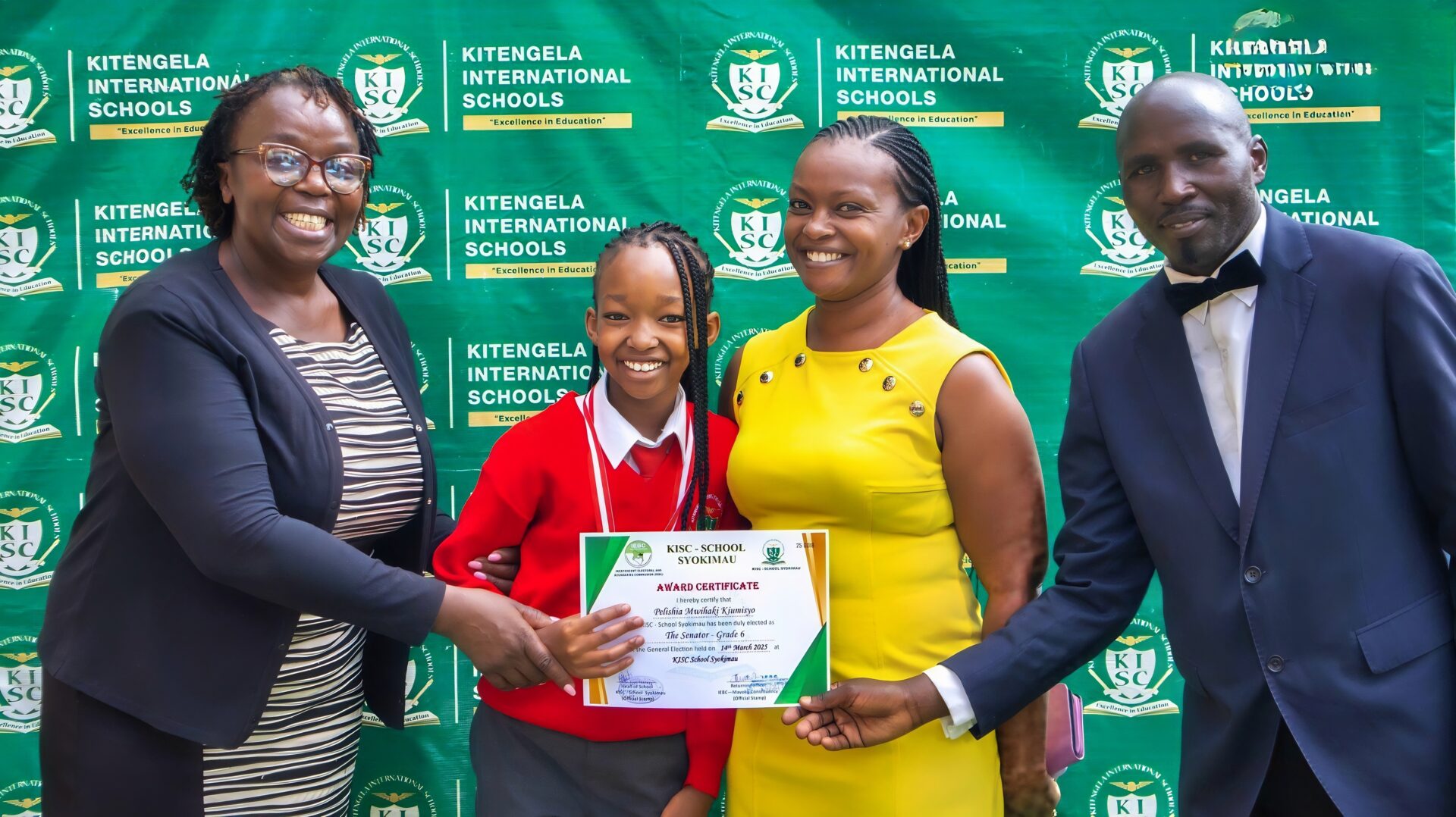

Ultimately, what unfolded at KISC during the swearing-in ceremony was not just an affirmation of student leadership but a bold declaration: the future of Kenya—and indeed, Africa—rests in the hands of those we empower today. As these young minds take their first steps into positions of responsibility, they carry with them not only the hopes of their peers but also the promise of a brighter, fairer, and more inclusive tomorrow.
Key Points Explored
Democracy Starts Young: The Importance of Student Elections
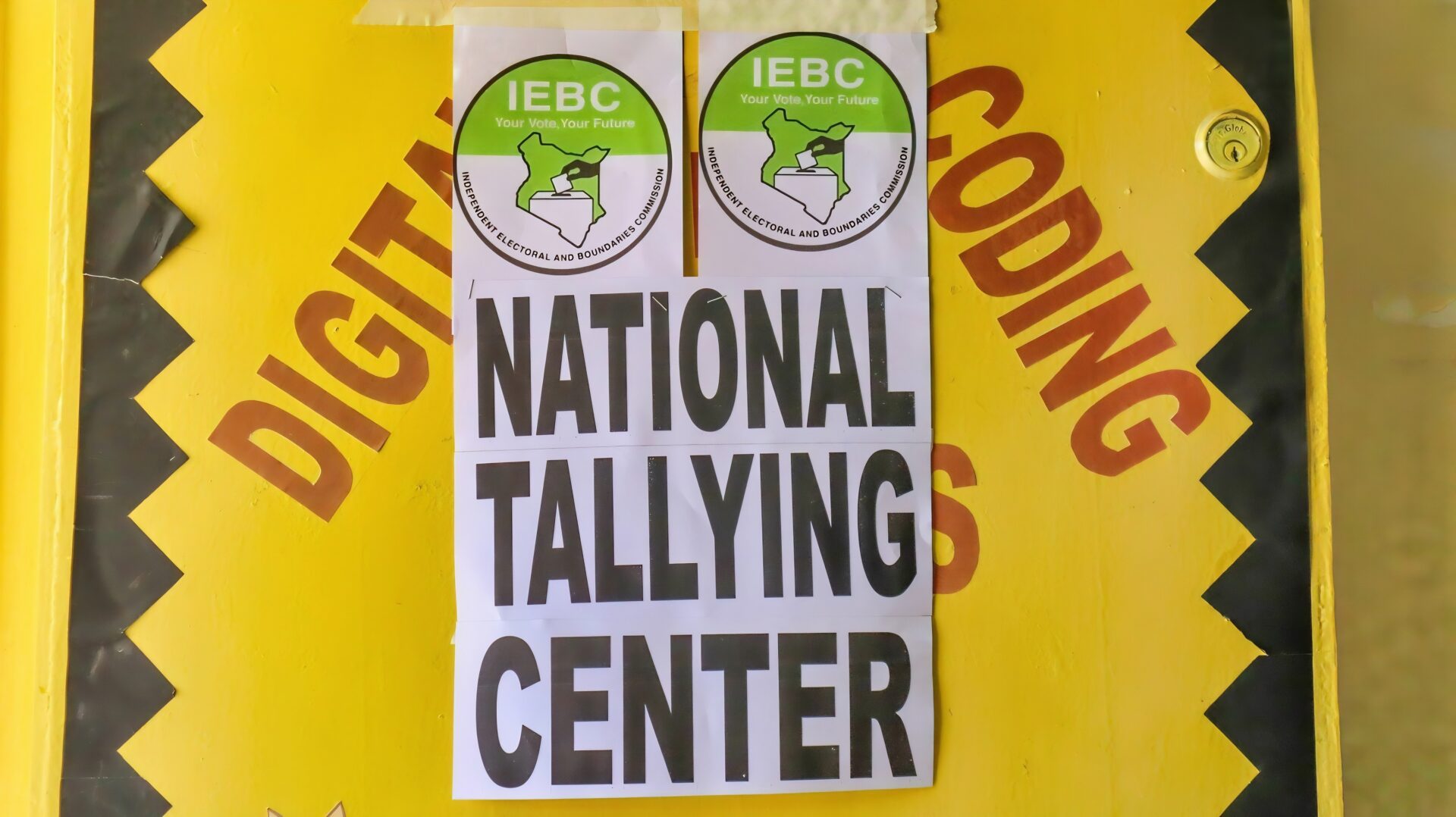
In Kenya, a nation whose political landscape has often been marked by both progress and challenges, the importance of fostering democratic values from an early age cannot be overstated. At Kitengela International School (KISC) in Syokimau, primary school elections serve as a microcosm of real-world democratic processes, offering students hands-on experience in civic engagement. From voter registration to campaigning, and finally transparent vote counting, these activities mirror the mechanisms that underpin functional democracies. By immersing students in such practices, KISC not only educates them about governance but also instils a deep appreciation for fairness, transparency, and representation—values essential for the health of any society.
A Mirror of Real-World Processes
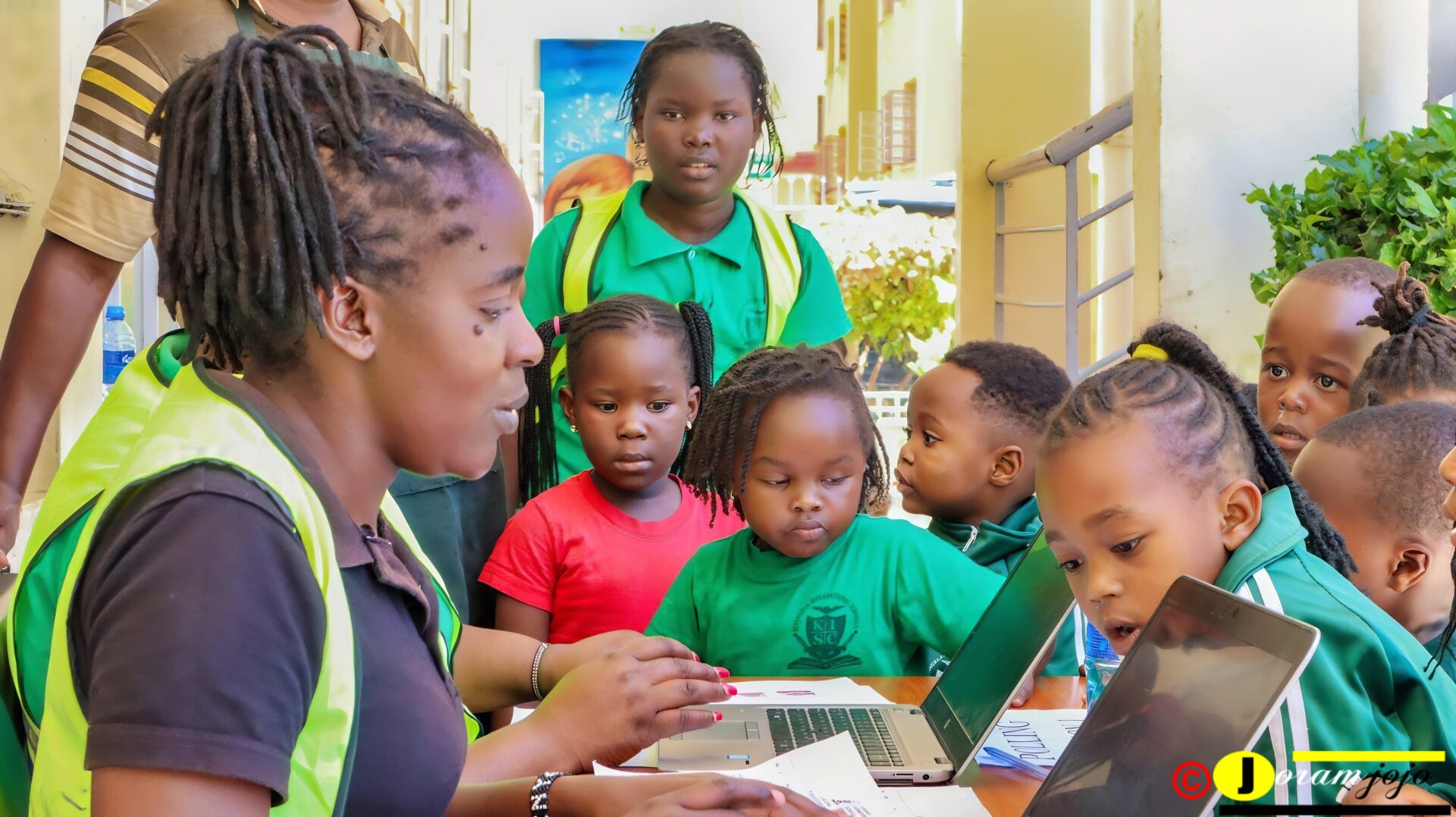
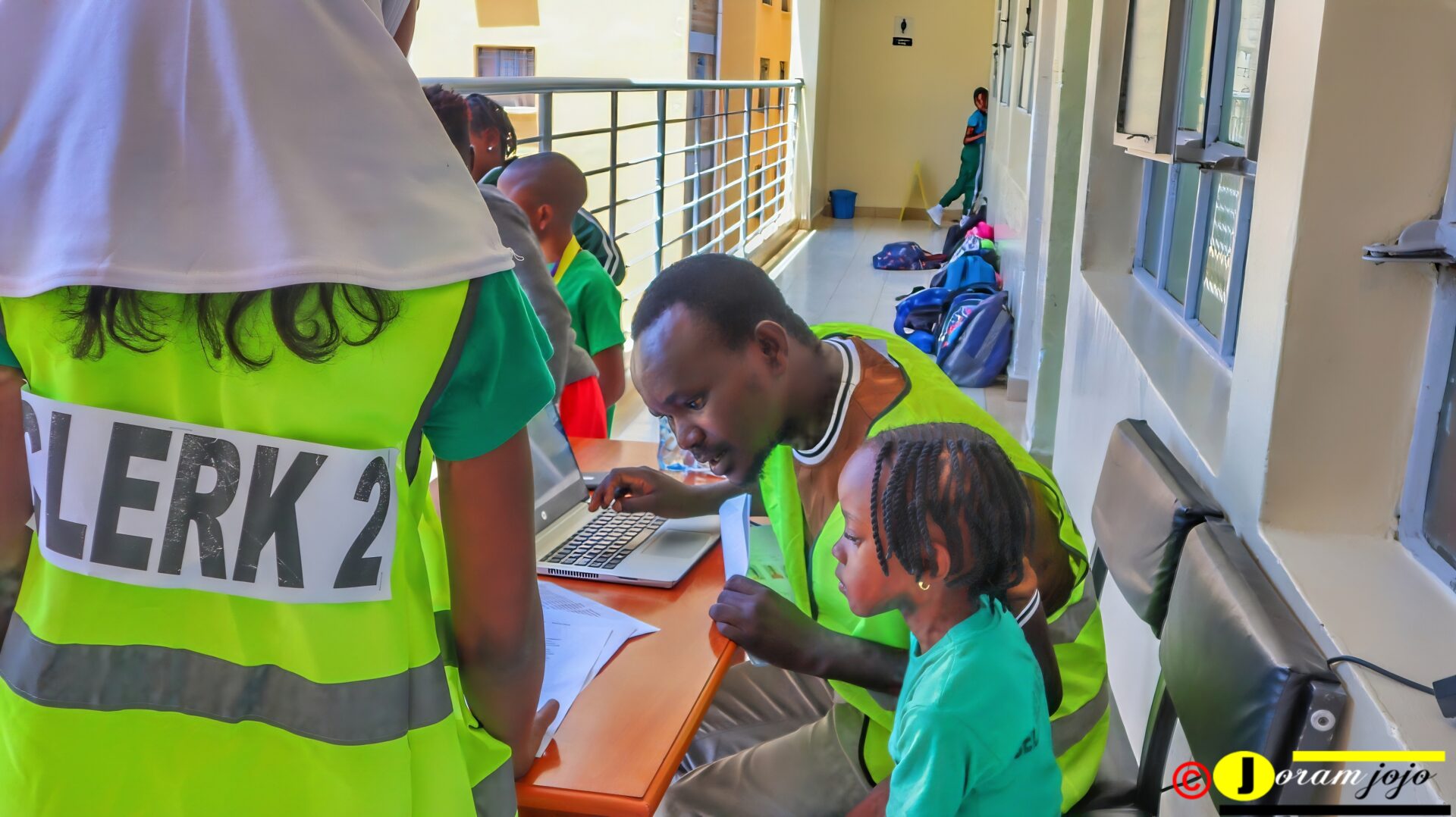
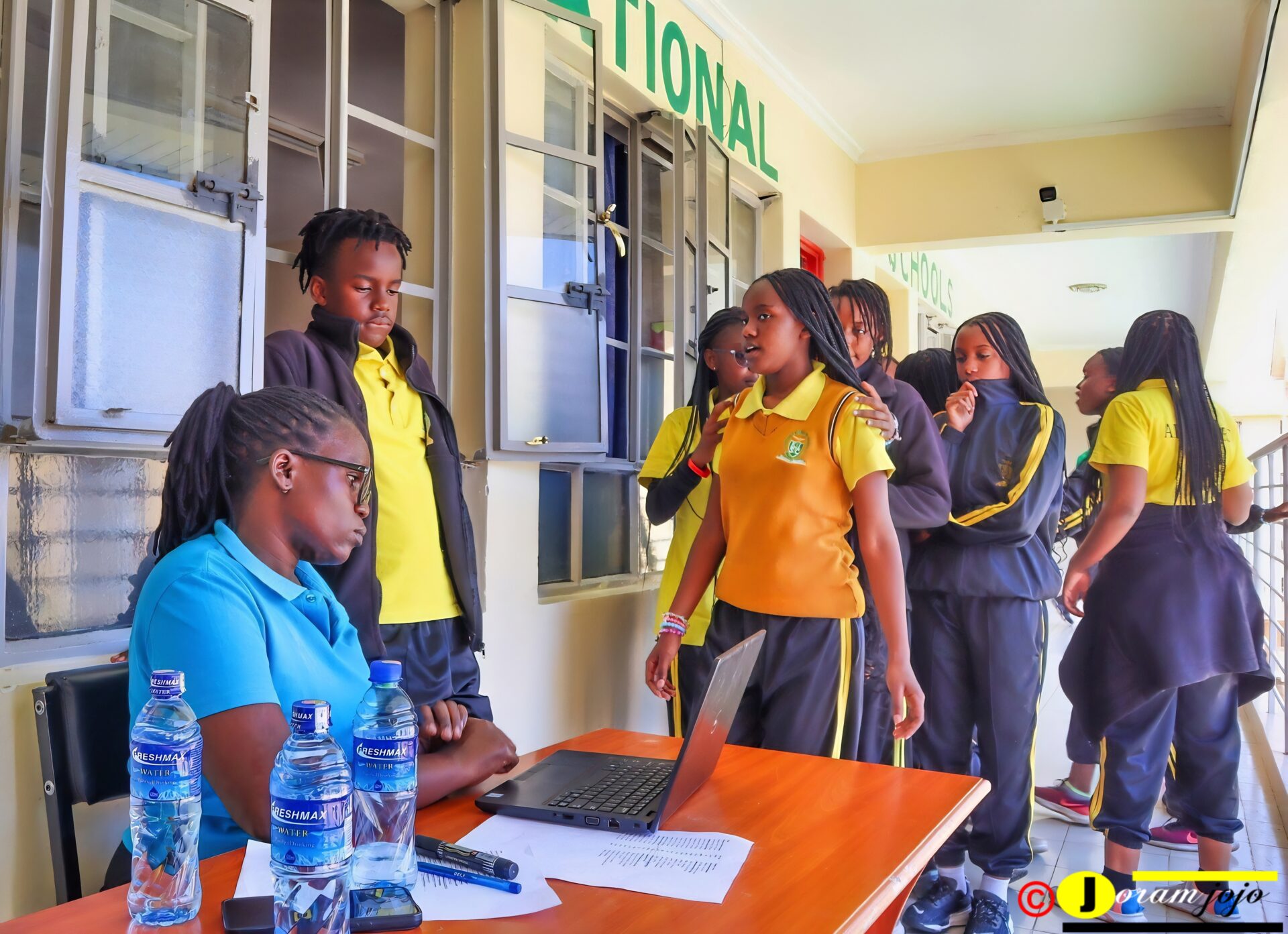
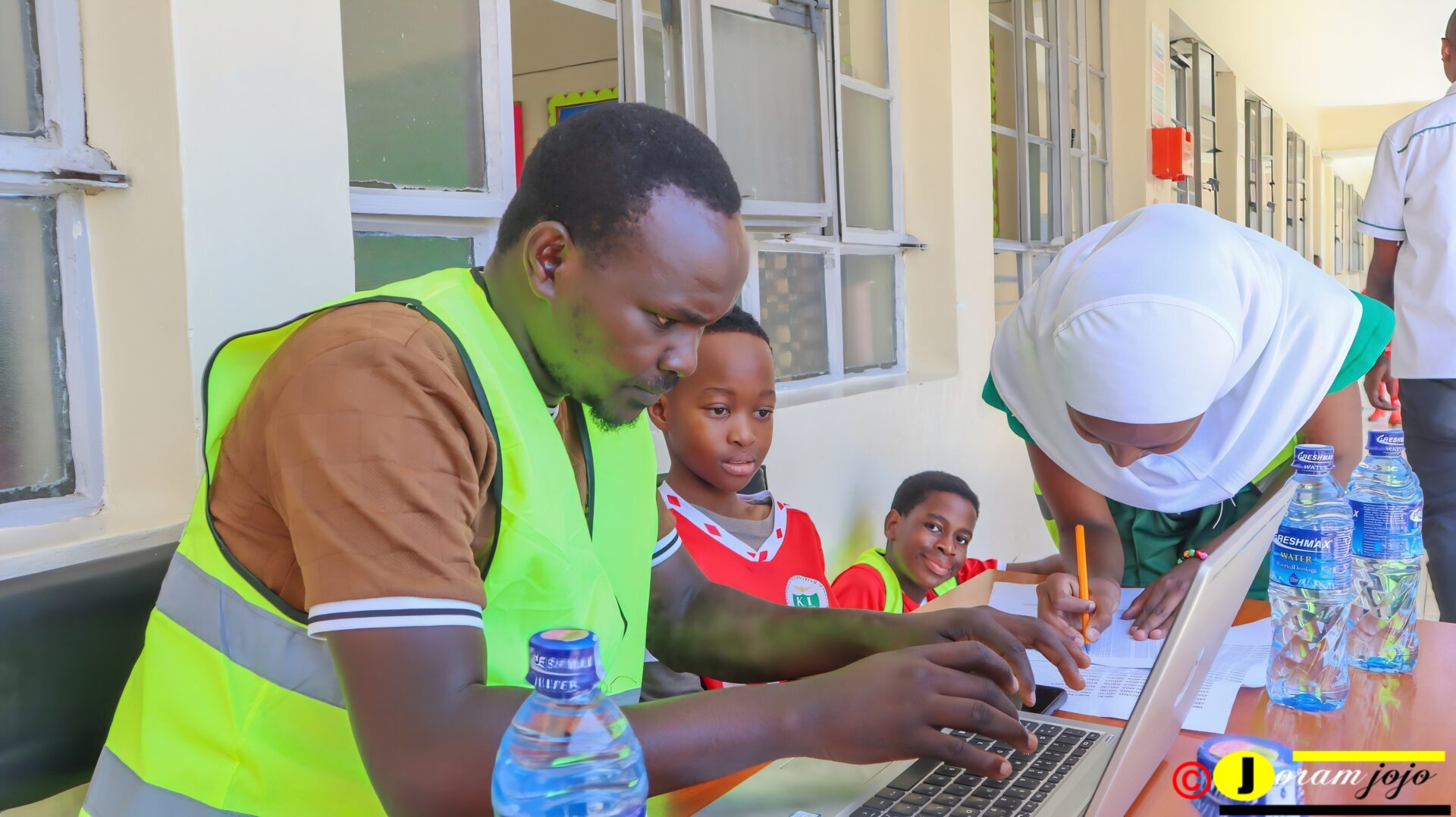
The student elections at KISC are meticulously designed to replicate the intricacies of actual electoral systems. Students begin by registering as voters, learning firsthand the importance of inclusion and participation in democratic processes. Campaigning follows, where candidates articulate their visions, engage with their peers, and advocate for change within the school community. This phase teaches students critical skills such as public speaking, negotiation, and consensus-building—all vital attributes for effective leadership. Finally, the voting process is conducted with utmost transparency, utilising technology to ensure accuracy and fairness. Each step reinforces the principles of accountability and equity, which are cornerstones of democracy.

In Kenya, where past elections have sometimes been marred by allegations of irregularities and disputes, initiatives like these hold particular significance. By exposing children to structured and transparent electoral processes, schools can help cultivate a generation that demands—and upholds—integrity in governance. When young people understand the mechanics of democracy and the value of every vote, they become advocates for fair and credible elections in their adult lives.
Nurturing Future Guardians of Democracy
Across Africa, many nations continue to navigate the complexities of building robust democratic systems. From Nigeria to South Africa, and from Ghana to Ethiopia, the continent has seen both inspiring successes and sobering setbacks in its quest for stable and representative governance. In this context, nurturing future leaders who grasp the essence of democracy becomes not just beneficial but imperative. Schools like KISC play a pivotal role in this endeavour by creating environments where students can practise and internalise democratic ideals.
For instance, consider the aftermath of Kenya’s 2007-2008 post-election violence—a period that highlighted the devastating consequences of contested electoral outcomes. The scars left by those events underscore the urgent need for citizens who value peaceful transitions of power and reject manipulation or corruption in elections. By engaging students in mock elections and similar activities, institutions like KISC contribute to a culture of tolerance, dialogue, and respect for differing viewpoints. These lessons resonate far beyond the school gates, shaping how these young individuals will interact with their communities and governments in the years to come.
Beyond Kenya: Lessons for Africa’s Future
While the focus here is on Kenya, the broader implications extend across the African continent. Many African countries share similar challenges, including low voter turnout among youth, apathy towards civic participation, and scepticism about the integrity of electoral systems. By introducing democratic practices early in life, educators can counteract these trends and foster a sense of ownership and responsibility among young people.
Consider, Botswana’s reputation as one of Africa’s most stable democracies is partly attributed to its strong tradition of civic education. KISC’s approach aligns with these examples, demonstrating that even at the grassroots level, fostering democratic literacy can yield transformative results.
Addressing Potential Challenges
Of course, some might argue that replicating democratic processes in schools could inadvertently introduce divisive elements, such as unhealthy competition or cliques. However, KISC addresses these concerns by embedding values of sportsmanship and collaboration throughout the election process. Teachers and staff act as facilitators, ensuring that campaigns remain respectful and issues-based rather than personal. Furthermore, the involvement of external figures, such as the High Court Advocate during the oath-taking ceremony, reinforces the seriousness of the exercise while providing a neutral perspective.
Planting Seeds for a Stronger Democracy
By prioritising student elections, KISC is planting seeds that could blossom into a stronger, more resilient democracy—not just for Kenya but for Africa as a whole. As these young learners grow into adulthood, they will carry with them an innate understanding of what it means to participate in—and uphold—a fair and inclusive system. They will remember the excitement of casting their first vote, the responsibility of standing as a candidate, and the pride of seeing their voices reflected in leadership decisions. And perhaps most importantly, they will embody the belief that democracy is not merely a privilege but a shared duty—one that begins young and endures for a lifetime.
Irene Mogiti: A Leader Among Peers
In the bustling hallways of Kitengela International School (KISC) in Syokimau, Irene Mogiti stands out not just as a student but as a beacon of hope and promise. Her inauguration as Main Primary School President marks a significant milestone—not only for her personally but also for the broader narrative of youth leadership in Kenya and across Africa. Irene’s journey—from candidate to elected leader—embodies resilience, teamwork, and vision, qualities that are indispensable for effective leadership at any level. As she takes up the symbolic “sword of leadership,” entrusted to guide her peers with wisdom and empathy, she becomes an embodiment of what it means to lead by example.

A Journey Rooted in Resilience and Collaboration
Irene’s path to leadership was not without challenges. Like many young candidates, she faced the daunting task of articulating her vision, rallying support, and navigating the competitive landscape of school elections. Yet, through determination and collaboration, she demonstrated the very essence of leadership: the ability to inspire others while remaining grounded in humility. Her campaign focused on practical issues affecting her peers—improving access to learning resources, fostering inclusivity within the school community, and championing environmental sustainability. These priorities reflect an acute awareness of both local needs and global concerns, positioning Irene as a leader who understands the interconnectedness of personal action and societal impact.
The symbolism of the “sword of leadership” is particularly poignant in this context. In African cultures, swords often represent authority, justice, and responsibility—a tool wielded not for domination but for protection and guidance. By accepting this mantle, Irene acknowledges the weight of her role and commits herself to serving her peers with integrity and compassion. This moment serves as a powerful reminder that true leadership is not about wielding power over others but empowering them to thrive.
Addressing Concerns: Are Such Responsibilities Too Heavy for Young Shoulders?
Some sceptics might question whether placing such responsibilities on young shoulders risks overwhelming children or detracting from their primary focus on academics. After all, balancing coursework, extracurricular activities, and leadership duties can be demanding even for adults. However, research consistently shows that early exposure to leadership roles equips children with invaluable life skills that extend far beyond their formative years.

For instance, studies conducted in educational settings across Africa have highlighted how structured leadership opportunities enhance self-confidence, critical thinking, and problem-solving abilities among students. When young people are given the chance to make decisions, resolve conflicts, and collaborate with diverse groups, they develop a sense of agency and responsibility that prepares them for future challenges. Moreover, these experiences foster emotional intelligence—a trait increasingly recognised as crucial for success in both personal and professional spheres.
In Kenya specifically, where youth unemployment remains a pressing issue, initiatives like these offer a proactive solution. By nurturing leadership skills early on, schools help bridge the gap between education and employability, ensuring that graduates enter the workforce equipped not just with technical knowledge but also with the soft skills needed to excel.
Broader Implications for Africa’s Future Leaders
Irene’s story resonates deeply within the African context, where young people constitute the majority of the population. According to the United Nations, nearly 60% of Africa’s population is under the age of 25, making it the youngest continent in the world. This demographic dividend presents both opportunities and challenges. On one hand, it offers immense potential for innovation and growth. On the other, it underscores the urgent need to invest in education and leadership development to harness this potential effectively.

By empowering young leaders like Irene, KISC contributes to a larger movement aimed at transforming Africa’s future. Consider Malala Yousafzai, whose advocacy for girls’ education began when she was just a teenager, or Greta Thunberg, whose climate activism inspired millions worldwide. These examples illustrate that age is no barrier to impactful leadership; rather, it is passion, conviction, and a clear sense of purpose that define great leaders. Irene’s election as Main Primary School President may seem small in scale, but its ripple effects could inspire countless others to step forward and take charge of their destinies.
Counterarguments and Rebuttals
Critics might argue that focusing on leadership at such a young age risks creating undue pressure or fostering elitism among students. While these concerns are valid, they can be mitigated through thoughtful implementation. At KISC, for example, the emphasis is not solely on individual achievement but on collective progress. Students are encouraged to view leadership as a collaborative endeavour—one that requires listening, compromise, and mutual respect. Furthermore, the involvement of teachers and external mentors ensures that the process remains supportive and educational rather than overly competitive.
Another counterargument could stem from cultural perspectives in certain African societies, where traditional hierarchies often dictate leadership roles based on age or seniority. However, modern democracies thrive on inclusivity and meritocracy, principles that align closely with the values promoted by institutions like KISC. By preparing young people to challenge outdated norms and embrace progressive ideals, schools play a vital role in driving social change.
Lighting the Torch of Leadership
Irene Mogiti’s inauguration as Main Primary School President is more than a ceremonial event—it is a testament to the transformative power of education and opportunity. Through her leadership journey, she exemplifies the resilience, teamwork, and vision required to navigate an increasingly complex world. While some may question whether such responsibilities are too heavy for young shoulders, evidence suggests that early exposure to leadership builds confidence, fosters problem-solving skills, and lays the foundation for lifelong success.
As Irene takes her first steps in guiding her peers, she carries not only the hopes of her classmates but also the aspirations of a continent eager for bold, visionary leaders. Her story reminds us that leadership begins not with titles or accolades but with the courage to stand up, speak out, and serve others. And perhaps, in the corridors of KISC Syokimau, we are witnessing the emergence of a leader who will one day shape Kenya—and indeed, Africa—for the better.
Technology Enhances Fairness and Transparency
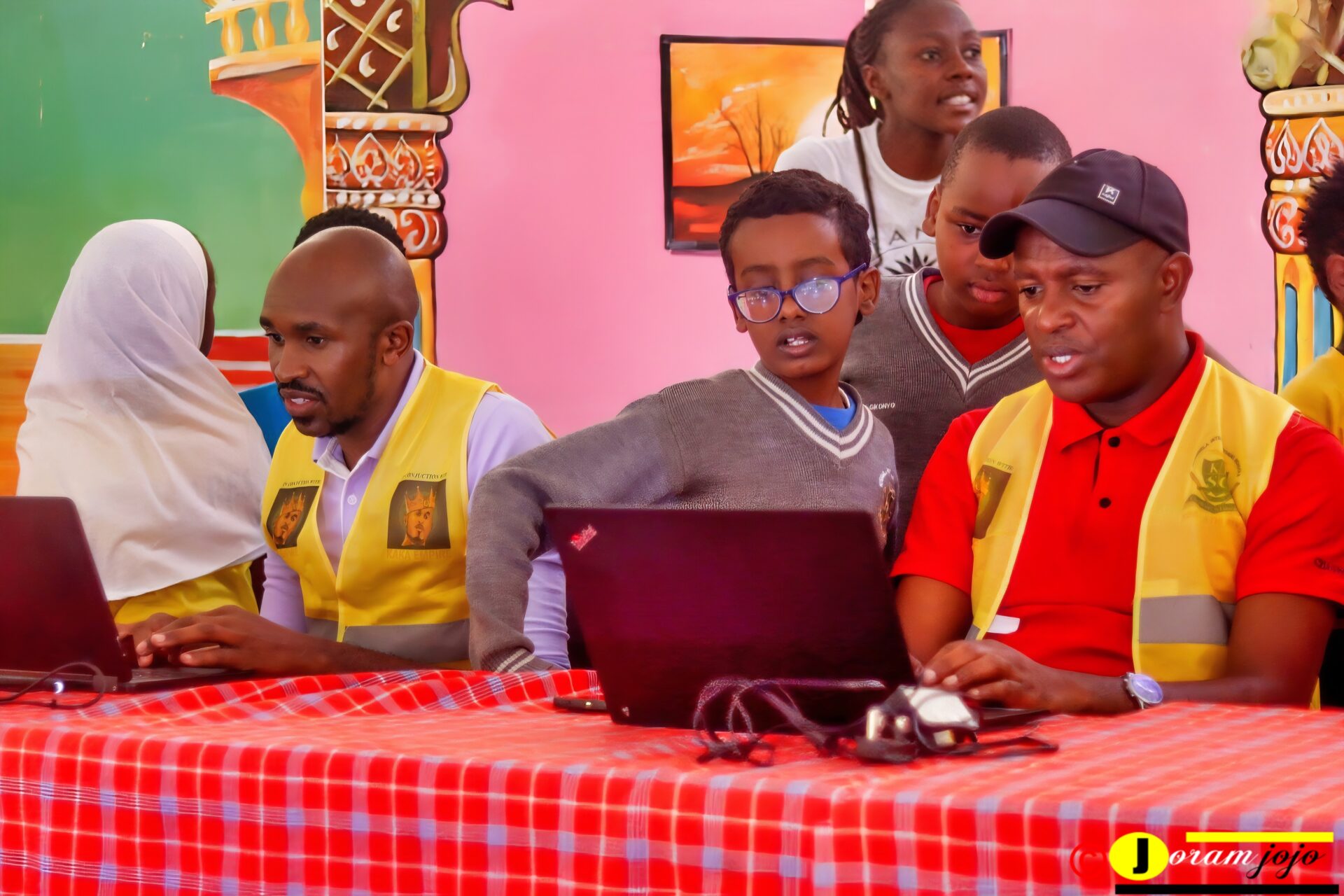
In an era where technology continues to reshape societies across the globe, its integration into educational settings offers unprecedented opportunities to instil values of fairness, transparency, and innovation. At Kitengela International School (KISC) in Syokimau, Kenya, the recent student elections exemplified how leveraging technology can transform traditional processes into models of modern governance. From digital ballot boxes to secure databases, every aspect of the electoral process was designed not only to ensure impartiality but also to provide students with hands-on experience in navigating the tools that underpin 21st-century democracies.
A Commitment to Fairness Through Innovation
The use of technology during KISC’s student elections eliminated many of the pitfalls associated with manual systems, such as human error, bias, or tampering. Digital ballot boxes allowed for seamless voting, ensuring that each student’s voice was heard accurately and anonymously. Secure databases were employed to store results, safeguarding against manipulation while maintaining transparency throughout the process. These measures reflect a deliberate effort to uphold the principles of fairness—a cornerstone of any functioning democracy.
For young learners, witnessing this level of precision and accountability reinforces the importance of integrity in leadership. It teaches them that even seemingly small actions, like casting a vote, have far-reaching implications when conducted fairly. In Kenya, where past national elections have occasionally been marred by allegations of irregularities, initiatives like these serve as powerful reminders of what is possible when technology is harnessed responsibly. By demonstrating how tech-driven solutions can enhance trust and credibility, KISC provides a blueprint for fostering confidence in democratic processes from an early age.
Hands-On Experience with Modern Governance Tools
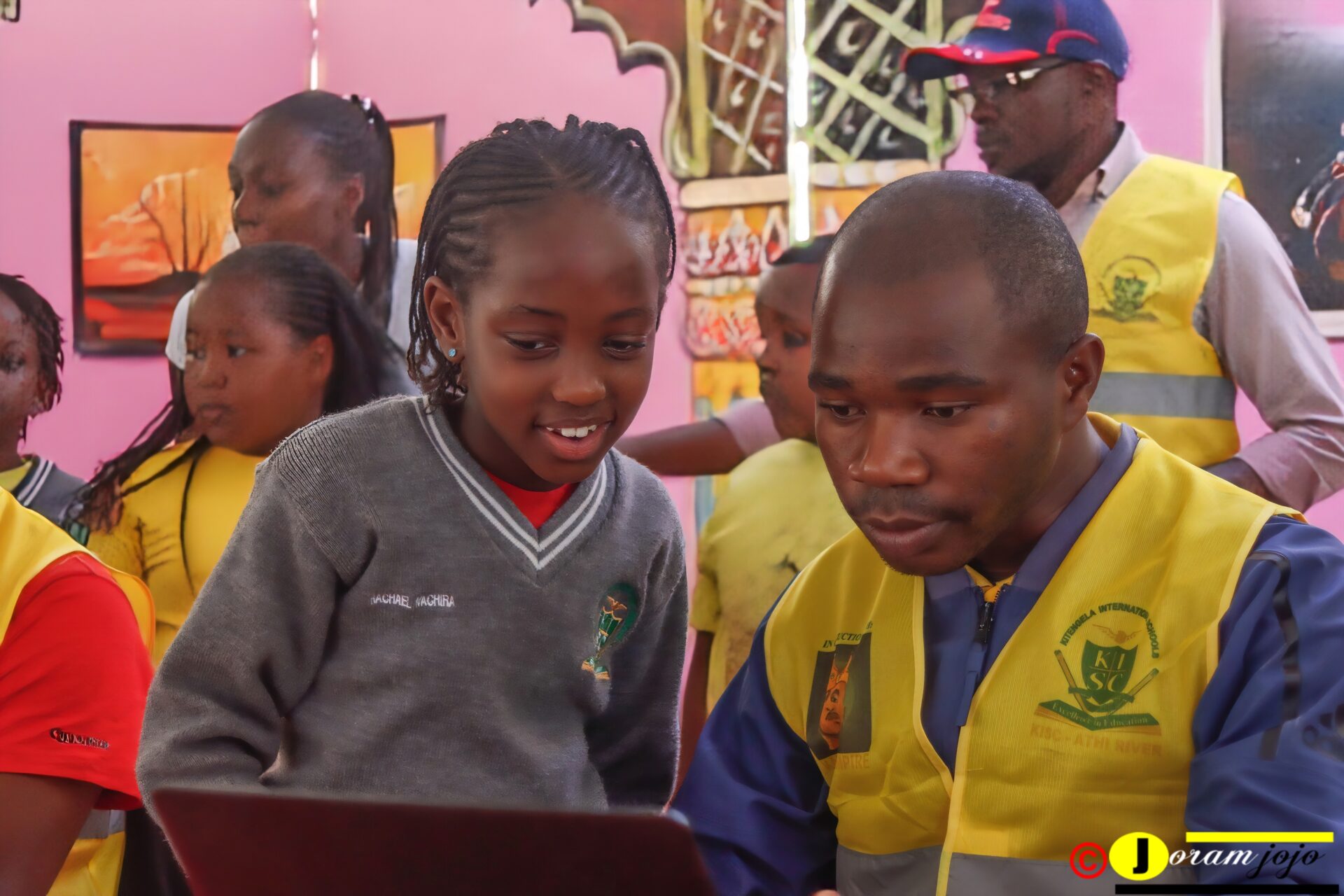
Beyond ensuring fairness, the incorporation of technology into the election process offered students invaluable exposure to the tools shaping contemporary governance and decision-making. As they interacted with digital platforms, they gained practical insights into concepts such as data security, encryption, and user authentication—skills that are increasingly relevant in today’s interconnected world. This experiential learning goes beyond theoretical knowledge; it equips students with competencies that will serve them well in their future careers and civic engagements.
For example, consider the growing emphasis on e-governance across Africa. Countries like Rwanda and Mauritius have made significant strides in digitising public services, improving efficiency and accessibility for citizens. Similarly, Kenya has embraced mobile banking platforms like M-Pesa, revolutionising financial inclusion across the continent. By introducing students to similar technologies within the safe confines of their school environment, KISC prepares them to navigate—and potentially innovate within—this rapidly evolving landscape.
Broader Implications: Preparing Students for a Tech-Driven Future
As Africa embraces technological advancements at an accelerated pace, the need to equip its youth with digital literacy skills becomes ever more critical. According to the African Development Bank, the continent’s digital economy is projected to contribute over $180 billion to its GDP by 2025. This growth presents immense opportunities—but also challenges—for young Africans entering the workforce. Schools like KISC play a pivotal role in bridging this gap by integrating technology into everyday activities, including governance exercises like student elections.

Initiatives like these prepare students for professional success and empower them to become active participants in shaping Africa’s digital future. Imagine a generation of leaders who understand the intricacies of cybersecurity, blockchain, or artificial intelligence—not just as abstract concepts but as practical tools for solving real-world problems. Such individuals could drive innovation in areas ranging from healthcare delivery to climate adaptation, addressing some of the continent’s most pressing issues.
Addressing Potential Concerns
While the benefits of using technology in education are undeniable, it is important to acknowledge potential drawbacks. Critics might argue that over-reliance on digital tools could widen existing inequalities, particularly in regions where access to technology remains limited. However, KISC addresses this concern by embedding technology within a structured framework that prioritises inclusivity. For instance, teachers ensure that all students, regardless of background, receive adequate training and support to engage fully in tech-enabled activities. Additionally, the school fosters discussions about the ethical use of technology, encouraging students to think critically about issues like privacy, consent, and digital citizenship.
Another consideration is the risk of technical glitches or system failures disrupting the process. To mitigate this, KISC implemented robust contingency plans, ensuring that the election could proceed smoothly even if unforeseen challenges arose. This approach mirrors best practices in national elections, where backup systems and fail-safes are essential components of any credible operation.
Lighting the Path Toward Technological Empowerment
By leveraging technology to enhance fairness and transparency in its student elections, KISC has demonstrated a forward-thinking approach to education—one that aligns seamlessly with Africa’s trajectory toward greater technological adoption. The lessons learned to extend far beyond the confines of the school campus, preparing students to thrive in a world where digital fluency is no longer optional but indispensable.
Moreover, this initiative serves as a microcosm of what is achievable on a larger scale. Just as digital tools ensured impartiality and efficiency in KISC’s elections, they hold the potential to strengthen democratic institutions across Kenya and Africa. As these young learners grow into adulthood, they carry with them not only technical skills, but also a profound appreciation for the transformative power of technology when wielded ethically and responsibly.
In essence, KISC’s embrace of technology in governance reflects a broader commitment to nurturing leaders who are not only adept at navigating the complexities of the modern world but also dedicated to building fairer, more transparent societies. And perhaps, in the keystrokes of a digital ballot box, we glimpse the first steps toward a brighter, more inclusive future for Africa.
Ethics and Accountability: Lessons Beyond the Classroom
In a world where ethical leadership is often tested—and sometimes found wanting—the presence of a High Court Advocate at Kitengela International School (KISC) during the swearing-in ceremony of newly elected student leaders carried profound symbolism. By administering the oath, this legal authority underscored the gravity of leadership roles, reinforcing the notion that holding office—whether in a primary school or on a national stage—comes with obligations to act ethically, represent others fairly, and remain accountable. This deliberate inclusion of an external figure elevated the ceremony and provided students with a tangible connection to the principles of governance and justice.
The Gravity of Leadership Roles
The decision to involve a High Court Advocate was no mere formality; it was a calculated effort to instil in young leaders a profound understanding of the responsibilities that accompany positions of authority. As the Advocate solemnly administered the oath, they reminded students that leadership is not about wielding power for personal gain, but about serving as stewards of their peers’ trust. Each word of the oath carried weight, emphasizing values such as integrity, transparency, and fairness—principles that are foundational to effective leadership at any level.
For these young leaders, the experience was transformative. It bridged the gap between theoretical lessons about ethics and accountability and real-world application. In Kenya, where issues of corruption and mismanagement have occasionally tarnished public institutions, such initiatives serve as powerful reminders of what ethical leadership looks like. By exposing students to the concept of accountability early on, KISC plants seeds that could grow into a culture of integrity, both within the school community and beyond.
Alternative Perspective: Elevating Stakes or Setting Standards?
Critics might argue that involving a High Court Advocate in a primary school election unnecessarily elevates the stakes, potentially overwhelming young students with expectations they may not fully grasp. They might contend that such ceremonies should remain simple and age-appropriate, focusing instead on fostering creativity and teamwork without introducing the weight of legal oversight.
However, this perspective overlooks the broader educational value of the exercise. While it is true that leadership roles for children should be approached with sensitivity, there is merit in exposing them to high standards from an early age. By involving a legal professional, KISC reinforces the idea that leadership is inherently tied to the rule of law—a principle that underpins stable democracies worldwide. This approach ensures that students understand the importance of adhering to ethical guidelines and remaining accountable to those they serve, even in seemingly minor decisions.
Moreover, the involvement of a High Court Advocate serves as a practical lesson in civics. For many students, this may have been their first encounter with the judiciary system, offering a unique opportunity to learn about its role in upholding fairness and justice. Such experiences demystify complex institutions, making them more relatable and accessible. Rather than overwhelming students, these moments inspire curiosity and a desire to engage meaningfully with society.
Broader Implications for Africa’s Development
In the African context, where governance challenges often stem from a lack of accountability and adherence to ethical standards, initiatives like these hold particular significance. Across the continent, countries continue to grapple with issues such as corruption, nepotism, and abuse of power. These problems are not confined to politics alone; they permeate various sectors, including education, healthcare, and business. By nurturing a generation that understands the importance of ethics and accountability, schools like KISC contribute to building stronger, more resilient societies.
Consider Uganda’s anti-corruption campaigns or Nigeria’s efforts to promote transparency in government procurement processes. Both initiatives highlight the critical need for individuals who prioritize integrity over personal gain. Similarly, South Africa’s ongoing fight against state capture underscores the importance of accountability in maintaining public trust. By embedding these values in young people through structured programs, educators lay the groundwork for future leaders who can navigate—and ultimately resolve—such challenges.
Addressing Concerns Through Balanced Implementation
To address concerns about overwhelming students, KISC strikes a careful balance by framing the ceremony as both serious and celebratory. The Advocate’s role is not to intimidate but to inspire—to convey the dignity of leadership while remaining approachable. Teachers and staff ensure that students feel supported throughout the process, helping them interpret the Advocate’s words in ways that resonate with their age and experience.

Additionally, the ceremony is complemented by ongoing discussions about ethics and accountability in everyday life. Students are encouraged to reflect on how these principles apply to their roles as class representatives, club leaders, or members of the school community. This holistic approach ensures that the lessons learned during the swearing-in extend far beyond the event itself, becoming integral parts of their development as responsible citizens.
Building a Foundation of Integrity
By having a High Court Advocate administer the oath, KISC sends a clear message: leadership is not just about titles or accolades—it is about responsibility. The ceremony teaches students that every action they take as leaders must be guided by ethical considerations and a commitment to fairness. In doing so, it prepares them to navigate the complexities of adulthood with integrity and purpose.
This initiative also speaks to a larger vision for Africa’s future. As the continent continues to evolve politically, economically, and socially, it needs leaders who embody the highest standards of conduct. By instilling these values early, KISC contributes to a pipeline of ethical leaders capable of addressing the challenges facing their communities and nations.
Ultimately, the presence of the Advocate at the swearing-in ceremony is not about raising the stakes unnecessarily—it is about setting a benchmark. It reminds us all that leadership begins with accountability and that the lessons learned in the classroom today will shape the leaders of tomorrow. And perhaps, in the echoes of that solemn oath, we hear the promise of a brighter, more principled future for Kenya and Africa as a whole.
Building a Pipeline of Visionary Leaders
In Kenya and across Africa, the need for visionary leaders has never been more urgent. From addressing systemic poverty and inequality to tackling climate change and fostering sustainable development, the continent requires individuals who can think critically, act collaboratively, and lead with purpose. Programs like Kitengela International School’s (KISC) student leadership initiative are instrumental in cultivating such leaders, equipping young people with the skills and values necessary to drive transformative change. By creating structured opportunities for students to develop leadership capabilities from an early age, KISC is not just shaping individual futures—it is contributing to the broader narrative of Africa’s progress.
Cultivating Leaders Who Address Societal Challenges
At its core, KISC’s leadership program seeks to nurture individuals who understand the complexities of their environments and are equipped to address pressing societal challenges. The initiative goes beyond traditional classroom learning, encouraging students to engage actively with real-world issues. Whether it’s organising community clean-up drives, advocating for improved school facilities, or brainstorming solutions to local water scarcity, these young leaders learn to approach problems with creativity and resilience.
For instance, consider the issue of plastic pollution—a growing concern across Kenya and much of Africa. Through KISC’s program, students might collaborate on projects that promote environmental sustainability, such as setting up recycling initiatives or raising awareness about eco-friendly practices. These efforts not only instil a sense of responsibility but also teach students how small actions can contribute to larger systemic changes. By empowering them to think critically and work together, KISC lays the groundwork for future leaders who will tackle even more complex challenges on national and continental scales.
A Model for Replication Across Institutions
One of the most compelling aspects of KISC’s approach is its replicability. Parents, educators, and policymakers across Kenya—and indeed, throughout Africa—can adopt similar programs to ensure that more children benefit from structured opportunities to develop leadership skills. For example, schools in rural areas could implement simplified versions of student elections, using locally available resources to mimic democratic processes. Community organisations and youth groups could partner with schools to provide mentorship and exposure to diverse leadership styles.
Actionable insights abound:
- Start Small, Think Big : Schools without access to high-tech tools can begin by organising basic mock elections using paper ballots and manual counting systems. The focus should be on teaching principles of fairness, representation, and accountability rather than relying solely on advanced technology.
- Engage Local Role Models : Inviting community leaders, such as local government officials, entrepreneurs, or activists, to speak at schools can inspire students and provide them with relatable examples of leadership.
- Foster Collaboration Over Competition : Leadership programs should emphasise teamwork and collective problem-solving over individual accolades. This mirrors the collaborative nature of effective governance and prepares students to work harmoniously in diverse settings.
- Embed Ethics into Leadership Training : Just as KISC included a High Court Advocate to highlight accountability, other institutions can incorporate ethical frameworks into their programs, ensuring that students view leadership through a moral lens.
By scaling these initiatives, communities can create a pipeline of visionary leaders who are deeply rooted in their contexts yet capable of thinking globally.
Broader Implications for Africa’s Development
Africa’s youthful population presents both immense potential and significant challenges. According to the African Union’s Agenda 2063, harnessing the energy and creativity of young people is key to achieving sustainable development across the continent. However, this requires deliberate investments in education and leadership development. Programs like those at KISC align perfectly with this vision, offering practical pathways for nurturing leaders who can navigate Africa’s unique opportunities and obstacles.
KISC’s program serves as a microcosm of what is possible when education prioritises leadership development. Imagine if every school in Kenya adopted similar initiatives—how many more young people would emerge prepared to lead businesses, governments, and social movements? How many more communities would thrive because their leaders understood the value of empathy, collaboration, and integrity?
Addressing Counterarguments
Some critics might argue that focusing on leadership programs diverts attention from academic excellence, which remains a priority in competitive educational landscapes. Others may contend that such initiatives are resource-intensive and impractical for underfunded schools. While these concerns are valid, they overlook the long-term benefits of integrating leadership training into education. Studies have shown that students who participate in leadership activities tend to perform better academically, exhibit higher levels of engagement, and develop stronger interpersonal skills—all of which enhance their overall learning experience.
Moreover, leadership programs do not necessarily require significant financial investment. Simple, cost-effective strategies—such as peer mentoring schemes, group projects, or role-playing exercises—can achieve similar outcomes. The key lies in intentionality and commitment from educators and parents alike.
Shaping Africa’s Tomorrow, Today
Building a pipeline of visionary leaders is not just an aspiration; it is a necessity for Africa’s continued growth and prosperity. Initiatives like KISC’s student leadership program exemplify how structured opportunities can transform young minds into catalysts for change. By empowering students to think critically, act collaboratively, and lead ethically, schools lay the foundation for a brighter, more equitable future.
As we reflect on the impact of such programs, one thing becomes clear: leadership is not confined to boardrooms or parliaments. It begins in classrooms, playgrounds, and communities—places where young people first learn to dream big and take action. And perhaps, in the quiet confidence of a newly elected student leader or the determined gaze of a child participating in a mock election, we glimpse the promise of a new generation ready to shape Kenya and Africa’s destiny.
The call to action is clear: let us invest in our youth today, so they may lead us tomorrow.





Addressing Potential Concerns
While the concept of student elections at institutions like Kitengela International School (KISC) has garnered widespread praise, it is not without its critics. Some may view such initiatives as overly ambitious or merely symbolic, questioning whether they place undue pressure on young learners who are still navigating the complexities of childhood and adolescence. Others might argue that these activities detract from academic priorities or risk creating environments where competition overshadows collaboration. However, when implemented thoughtfully and sensitively, student elections serve as powerful tools for shaping character, fostering citizenship, and enhancing personal growth—without overwhelming participants. The involvement of teachers and external officials further ensures that the process remains supportive, educational, and meaningful rather than intimidating.
Balancing Ambition with Sensitivity
It is understandable why some might perceive student elections as overly ambitious. After all, leadership roles—even at a primary school level—carry inherent responsibilities that could seem daunting to young minds. Critics might worry that such expectations could lead to stress, anxiety, or even burnout among students who feel unprepared for the demands of office. However, evidence suggests that when structured appropriately, these experiences do not burden children but instead empower them.
At KISC, for example, the election process is carefully designed to be age-appropriate and inclusive. Campaigning is encouraged to focus on positive messaging and teamwork rather than divisive rhetoric or personal attacks. Teachers and mentors guide candidates through each stage, helping them articulate their ideas clearly and manage emotions effectively. This scaffolding approach ensures that students feel supported throughout the process, transforming what could otherwise be an intimidating experience into one of growth and discovery.
Moreover, the emphasis is not solely on winning but on participation and learning. Whether a student emerges victorious or not, they gain invaluable insights into resilience, empathy, and perseverance—qualities that will serve them well in all aspects of life. By framing elections as opportunities for self-improvement rather than zero-sum competitions, schools like KISC mitigate the risks of undue pressure while maximising the benefits of early exposure to leadership.
Fostering Citizenship Without Overwhelming Learners
Another common concern is that student elections might overshadow academic priorities or distract students from their studies. While it is true that time and resources must be allocated judiciously, research indicates that civic engagement activities complement rather than detract from traditional education. In fact, studies conducted across Africa have shown that students who participate in structured leadership programs often perform better academically due to improved confidence, critical thinking skills, and classroom engagement.
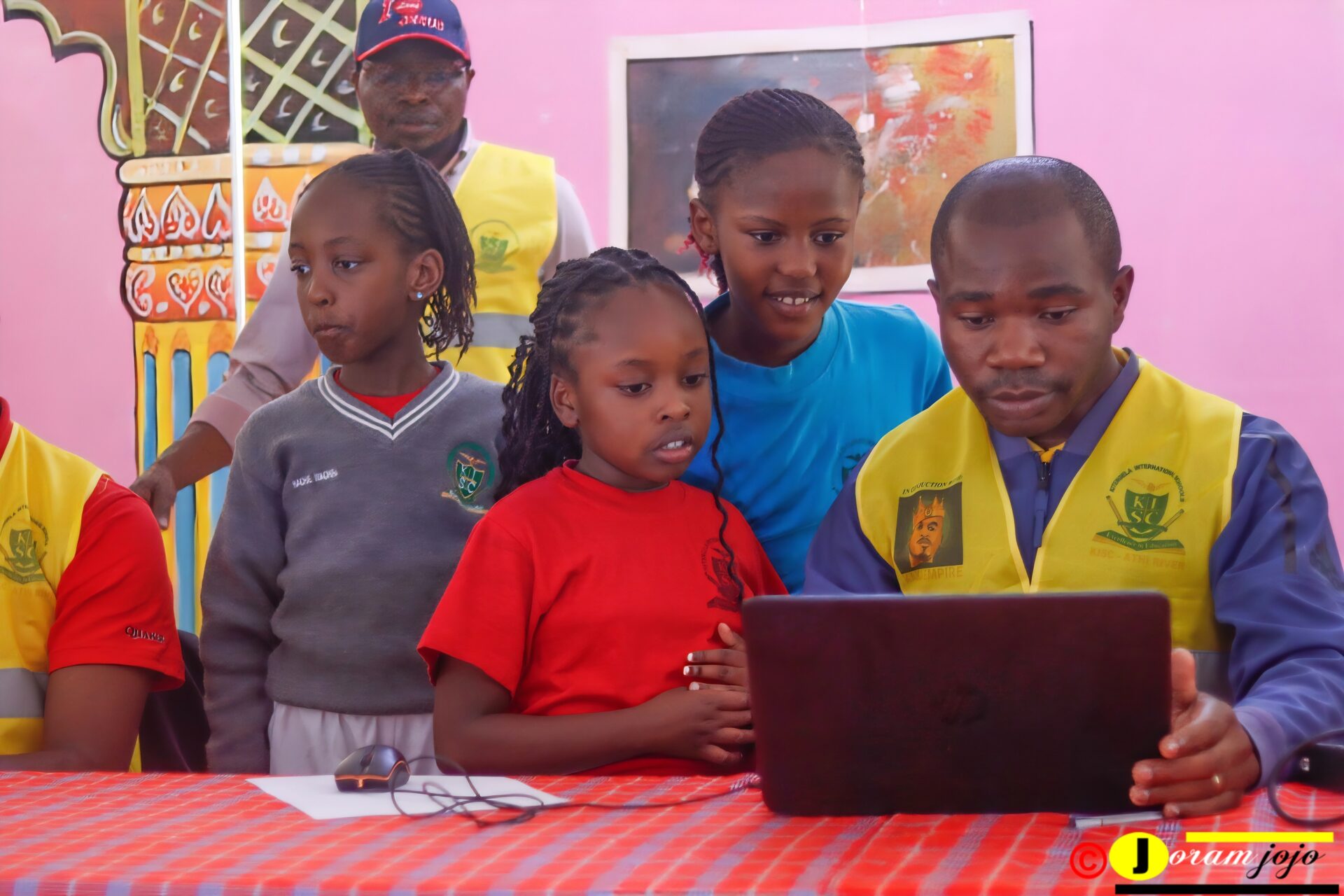
In Kenya specifically, where civic education is increasingly emphasised in the national curriculum, initiatives like KISC’s student elections align seamlessly with broader educational goals. They provide practical applications of theoretical concepts, reinforcing lessons about democracy, ethics, and accountability. For instance, a child who learns about voting rights in class gains a more profound understanding when they cast their own ballot in a school election. Similarly, discussions about fairness and representation take on new meaning when students witness these principles in action during transparent vote counting.
Furthermore, the involvement of external officials, such as the High Court Advocate at KISC’s swearing-in ceremony, adds a layer of gravitas without intimidation. These figures are chosen not only for their expertise but also for their ability to inspire and mentor young leaders. Their presence reassures students that they are part of something larger than themselves—a continuum of ethical governance and civic responsibility that extends far beyond the school gates.
Addressing Competition and Collaboration
A related criticism is that student elections might foster unhealthy competition, leading to cliques, favouritism, or exclusionary behaviour. While this is a valid concern, KISC addresses it by embedding values of inclusivity and sportsmanship throughout the process. Campaign rules explicitly prohibit negative campaigning, ensuring that candidates focus on articulating their visions rather than undermining opponents. Additionally, post-election debriefings encourage reflection on both successes and areas for improvement, promoting a culture of continuous learning and mutual respect.
Teachers play a pivotal role in maintaining this balance. As facilitators, they ensure that campaigns remain issue-based and collaborative, encouraging students to celebrate diversity and embrace different perspectives. For example, group projects and team-building exercises are often incorporated into the election process, reminding participants that leadership is not about individual glory but collective progress.
Broader Implications for Africa’s Youth Development
In the African context, where youth unemployment and underemployment remain persistent challenges, initiatives like KISC’s student elections offer a proactive solution. By nurturing soft skills such as communication, problem-solving, and emotional intelligence, schools prepare students for success in both academic and professional spheres. These attributes are particularly valuable in Kenya and across Africa, where employers increasingly prioritise adaptability and interpersonal skills alongside technical expertise.

Moreover, programs like these contribute to building resilient communities. When young people learn to navigate democratic processes and advocate for change within their schools, they become more likely to engage actively in broader societal issues. Consider the #FeesMustFall movement in South Africa or the youth-led protests against police brutality in Nigeria’s EndSARS campaign—both examples of how empowered young citizens can drive transformative change. By equipping students with the tools to lead responsibly and ethically, schools lay the groundwork for future generations to address systemic inequalities and champion social justice.
A Thoughtful Approach to Leadership Development
Addressing potential concerns about student elections requires striking a delicate balance between ambition and sensitivity, competition and collaboration, tradition and innovation. At KISC, this balance is achieved through careful planning, robust support systems, and a steadfast commitment to fostering character and citizenship. Rather than overwhelming young learners, these initiatives enhance their personal growth, preparing them to navigate the complexities of adulthood with confidence and integrity.
Ultimately, the value of student elections lies not in their symbolism but in their substance. They teach children that leadership is not about power or prestige but about service, accountability, and the courage to make a difference. And perhaps, in the quiet determination of a young candidate or the thoughtful deliberation of a first-time voter, we see glimpses of a brighter, more inclusive future—not just for Kenya, but for Africa as a whole.
By addressing concerns head-on and implementing best practices, schools can ensure that student elections remain a cornerstone of holistic education, empowering young people to become the visionary leaders their communities—and their continent—so desperately need.
Conclusion: Leadership Begins Here
As Irene Mogiti takes up her mantle as Main Primary School President at Kitengela International School (KISC), she steps into a role that carries profound significance. In her hands, she holds not only the hopes and aspirations of her peers but also the promise of a brighter, more equitable future for Kenya—and potentially, the world. Initiatives like those at KISC serve as powerful reminders that leadership is not an exclusive domain reserved for adults; rather, it flourishes most vibrantly when nurtured from a young age. By embedding principles of democracy, ethics, and innovation into education, schools create fertile ground for cultivating leaders who are prepared to tackle tomorrow’s challenges with courage, creativity, and compassion.
A Legacy of Early Leadership Development
The swearing-in ceremony at KISC was far more than a formal transition of titles—it was a celebration of potential. It highlighted how early exposure to leadership roles can shape character, instil values, and inspire purpose. For Irene and her fellow student leaders, this experience is just the beginning of a lifelong journey. They are learning that true leadership is not about commanding authority or seeking personal gain, but about serving others with humility and integrity. Whether addressing playground disputes, advocating for better resources, or spearheading environmental initiatives, these young leaders are already making meaningful contributions to their school community.

In Kenya, where leadership has historically been associated with both triumphs and trials, nurturing ethical leaders early on is particularly crucial. The country’s progress depends on individuals who understand the importance of accountability, inclusivity, and collective well-being. By fostering these qualities in its students, KISC contributes to a pipeline of leaders who can navigate complex challenges—from economic inequality to climate change—with wisdom and resolve.
Leadership Beyond Borders
While the focus here is on KISC and its immediate surroundings, the implications extend far beyond Syokimau or even Kenya. Across Africa, nations continue to grapple with issues ranging from governance deficits to social fragmentation. Yet, within these challenges lie immense opportunity—for transformation, renewal, and growth. Schools like KISC play a pivotal role in unlocking this potential by equipping young people with the skills and mindset needed to lead responsibly and innovatively.
Consider the ripple effects of such initiatives. A child who learns to campaign ethically today may grow into a politician who champions transparency tomorrow. A student who practices collaboration during a mock election might one day become a business leader who prioritises teamwork and sustainability. Each small act of leadership sown in the classroom has the power to blossom into transformative change on a national or global scale. And perhaps, in the quiet confidence of Irene Mogiti or the determined gaze of her peers, we glimpse the dawn of a new era—one defined by leaders who are unafraid to challenge the status quo and reimagine what is possible.
Leadership Is Service, Not Power
This ceremony serves as a poignant reminder that leadership is not merely about wielding power; it is about serving others with humility and purpose. True leaders listen before they speak, empathise before they act, and prioritise the greater good over personal ambition. At KISC, students are taught that leadership is a privilege—a sacred trust bestowed upon them by those they serve. This lesson resonates deeply in a Kenyan context, where calls for servant leadership have grown louder in recent years. From grassroots movements demanding accountability to national campaigns promoting unity, the need for leaders who embody these principles has never been more urgent.
What Kind of Leader Would You Want to Be?
As we reflect on the stories emerging from KISC, a question arises—not just for Irene Mogiti and her peers, but for all of us: What kind of leader would you want to be? Would you strive to inspire through action, or lead quietly yet profoundly behind the scenes? Would you champion justice, foster inclusivity, and uphold integrity even when it is difficult? Or would you seek to innovate, pushing boundaries and challenging norms to create a better world?
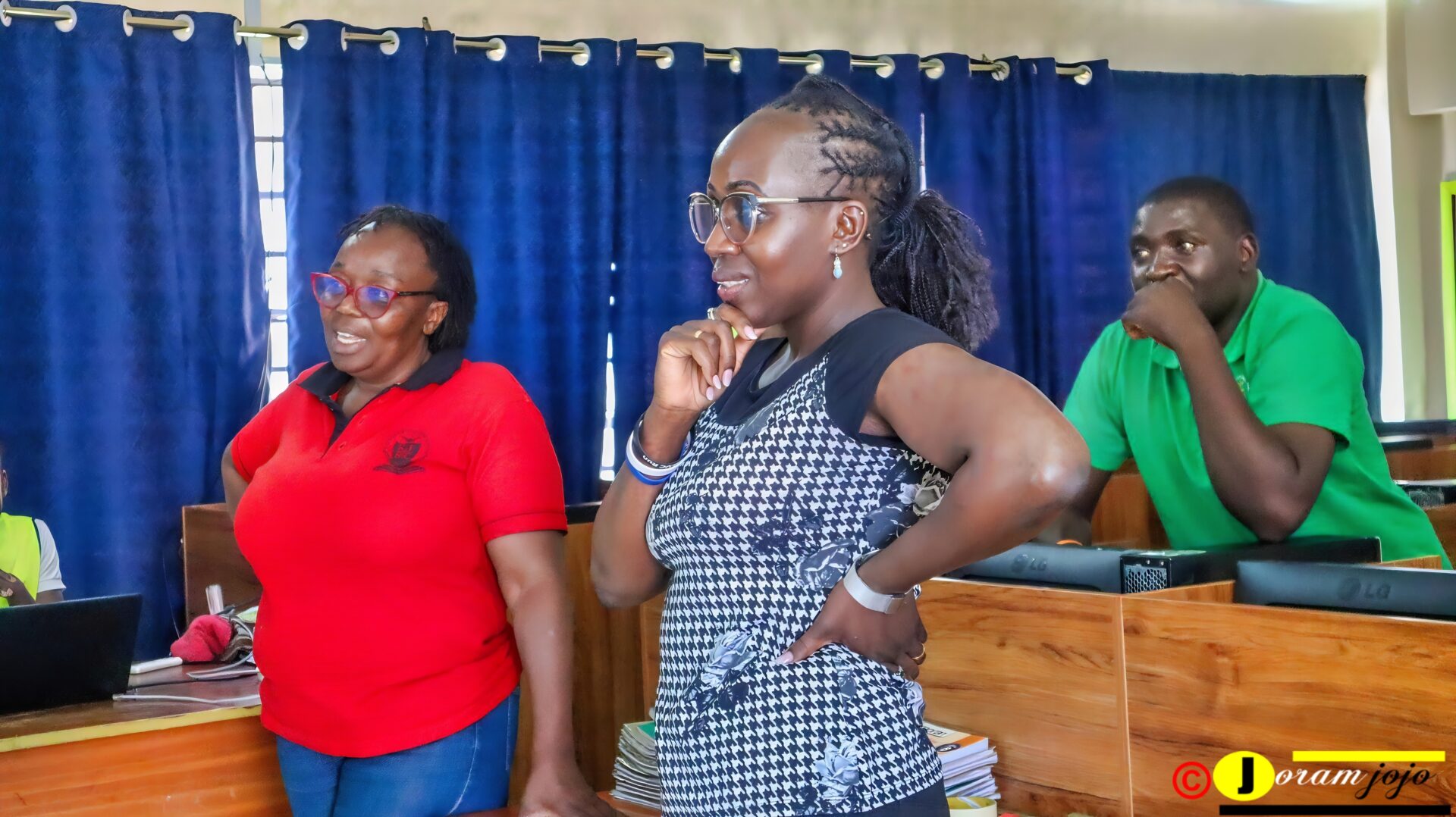
These questions transcend age and circumstance. Whether you are a primary school student casting your first vote, a teacher guiding young minds, or a parent supporting the next generation, the responsibility to cultivate leadership rests with each of us. Leadership begins not with grand gestures or lofty titles but with small, deliberate choices—to listen, to care, to act with purpose.
A Vision for Tomorrow
In the corridors of KISC Syokimau, amidst laughter, debates, and dreams, something extraordinary is unfolding. We are witnessing the birth of leaders—not perfect ones, but real ones. Leaders who stumble, learn, and rise again. Leaders who recognise that their greatest strength lies not in themselves, but in their ability to uplift others. And perhaps, in the years to come, we will see these young trailblazers step onto larger stages—shaping policies, driving innovation, and forging connections that span continents.
For now, though, let us celebrate this moment. Let us applaud Irene Mogiti and her peers for embracing the call to lead. Let us commend KISC for creating spaces where leadership can take root and flourish. And let us commit ourselves to nurturing environments—both within schools and beyond—that empower young people to dream boldly and act decisively.
After all, the leaders of tomorrow are being shaped today. And in their hands lies the promise of a brighter, fairer, and more compassionate Kenya—and world.

RELATED PUBLICATIONS:
 Kenya at a Crossroads: People Power Revolution in the Making
 A Grand Celebration of Independence: 61st Jamhuri Day in Narok County
 Kenyan MPs Advocate for Diaspora Engagement: Policy Shifts in the National Assembly
 Celebrating Mashujaa Day with Governor Patrick Ole Ntutu
 Mashujaa Day: President Ruto Lauds Multifaceted Approach to Housing and Environmental Sustainability
 Veteran Lawyer John Khaminwa Schools Judges on Time Management in Gachagua Impeachment Case
 Athi River Queens Triumph in Governor Wavinya Cup: A Boost to the Local Economy
 Strengthening Kenya-China Collaboration: The Luban Workshop at Machakos University
 A Spirited Celebration of Leadership and Unity: A Day with the Pokomo Community
 Football Community Condemns Hooliganism After Kibera Black Stars FC vs 3K FC Match
 Phantom Debts and Stolen Futures: Kenya’s Crisis of Governance and Human Trafficking