

The importance of protecting minority rights and Kenya’s cultural diversity
Kenya’s cultural, religious, linguistic and ethnic diversity is a key asset for the country, with over 40 different ethnic groups present. The country is home to over 40 different ethnic groups, each with its own unique traditions, languages and customs. This diversity is a source of national pride and contributes to the vibrant cultural landscape of Kenya.
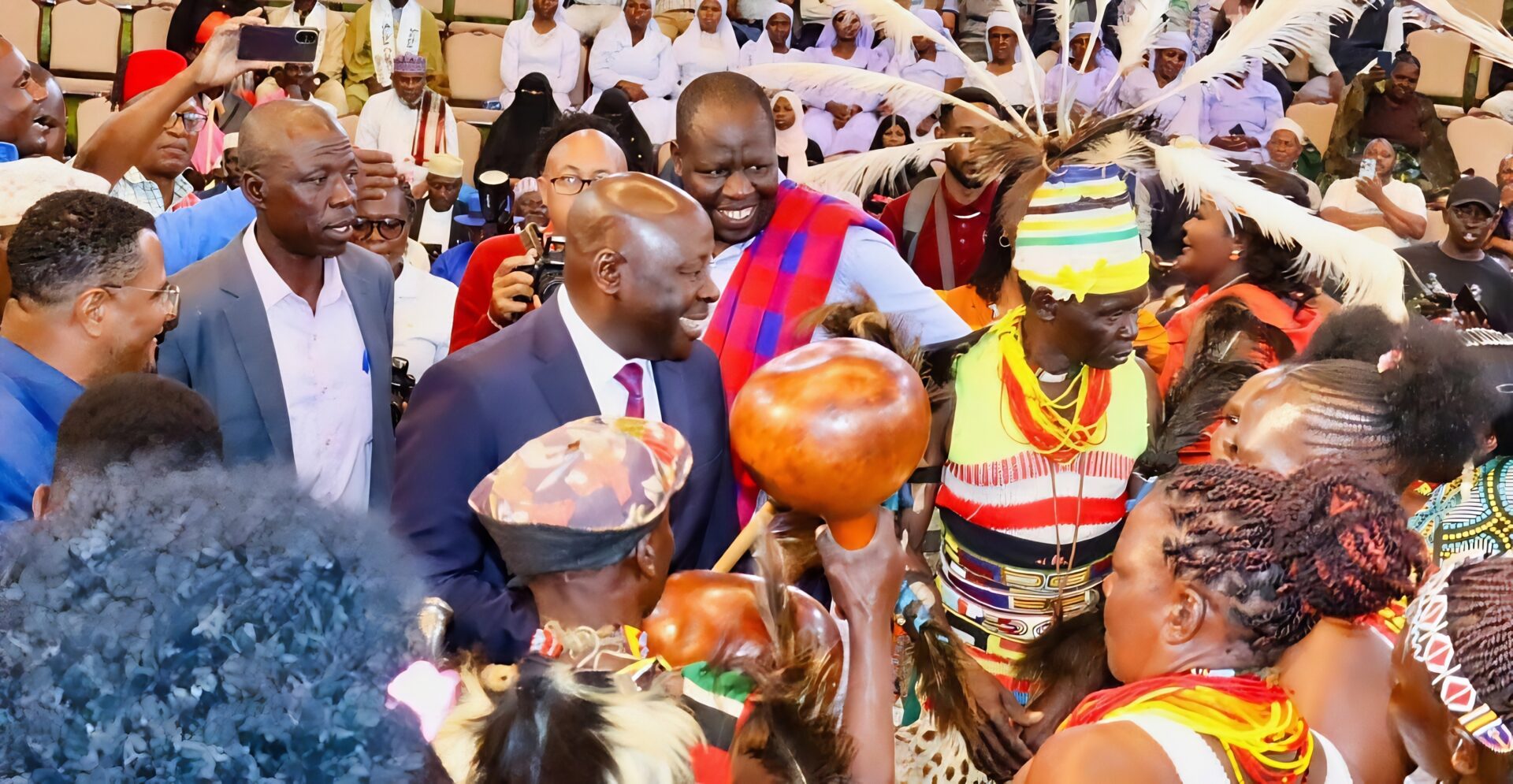
Religious Diversity
Kenya’s religious landscape is characterised by diversity, with Christianity, Islam and traditional African religions being the most prominent. There is a notable sense of inclusivity and mutual respect among different faith communities. It is vital to emphasise the importance of safeguarding the rights of religious minorities to practise their faith freely and without discrimination.
Linguistic Variety
Kenya’s linguistic diversity is noteworthy, with Swahili and English serving as official languages, and numerous indigenous languages spoken throughout the country. This linguistic diversity is a vital component of Kenya’s cultural fabric, underscoring the imperative for the preservation and promotion of indigenous languages to prevent their gradual extinction.
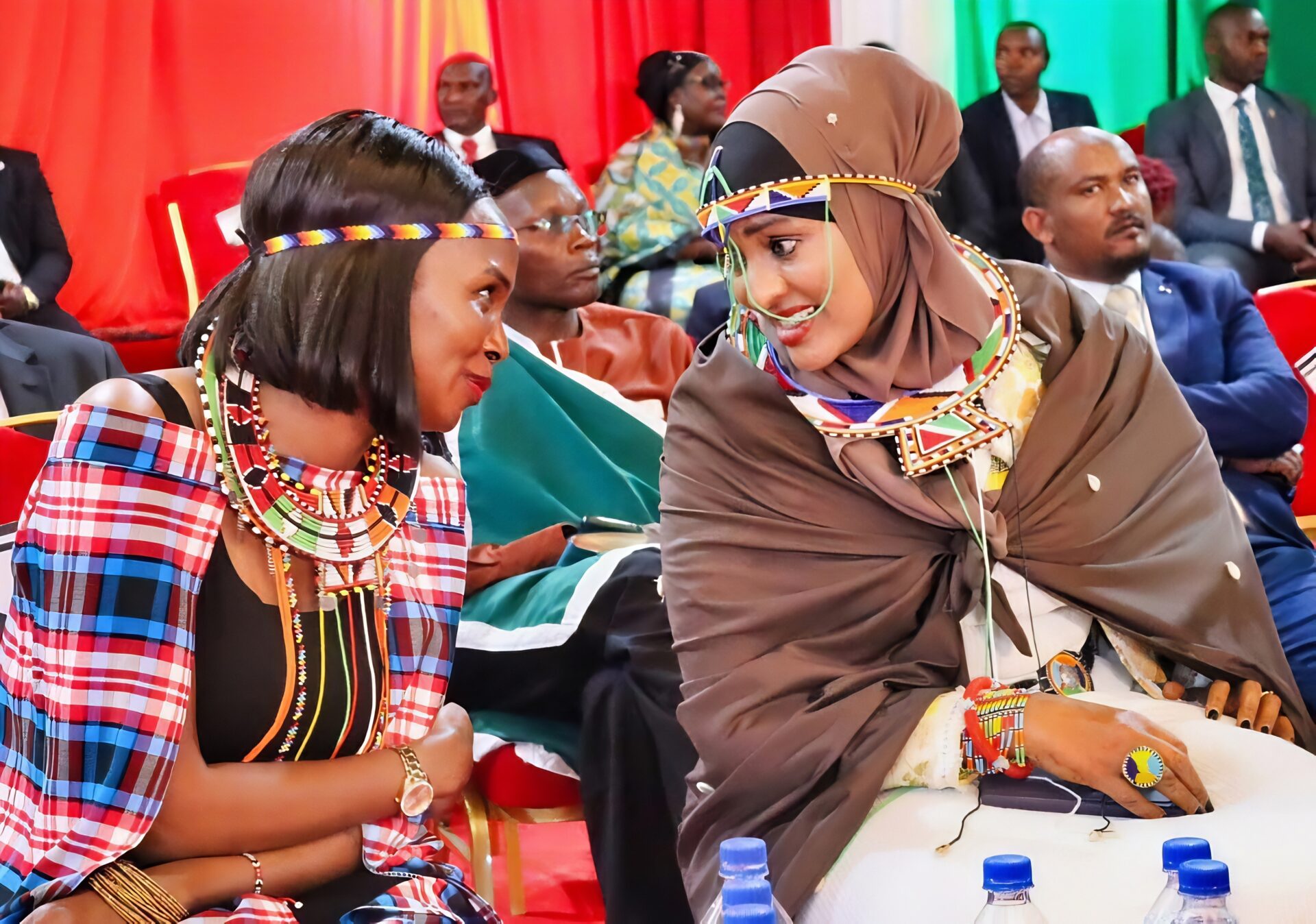
Ethnic Diversity
Kenya’s ethnic diversity is one of its most distinguishing characteristics. The country’s major ethnic groups include the Kikuyu, Luo, Luhya, Kalenjin, and Kamba, among others. Each group has unique cultural practices, traditional attire, and social structures. This rich tapestry of cultures is a significant asset, contributing to the country’s cultural vitality.
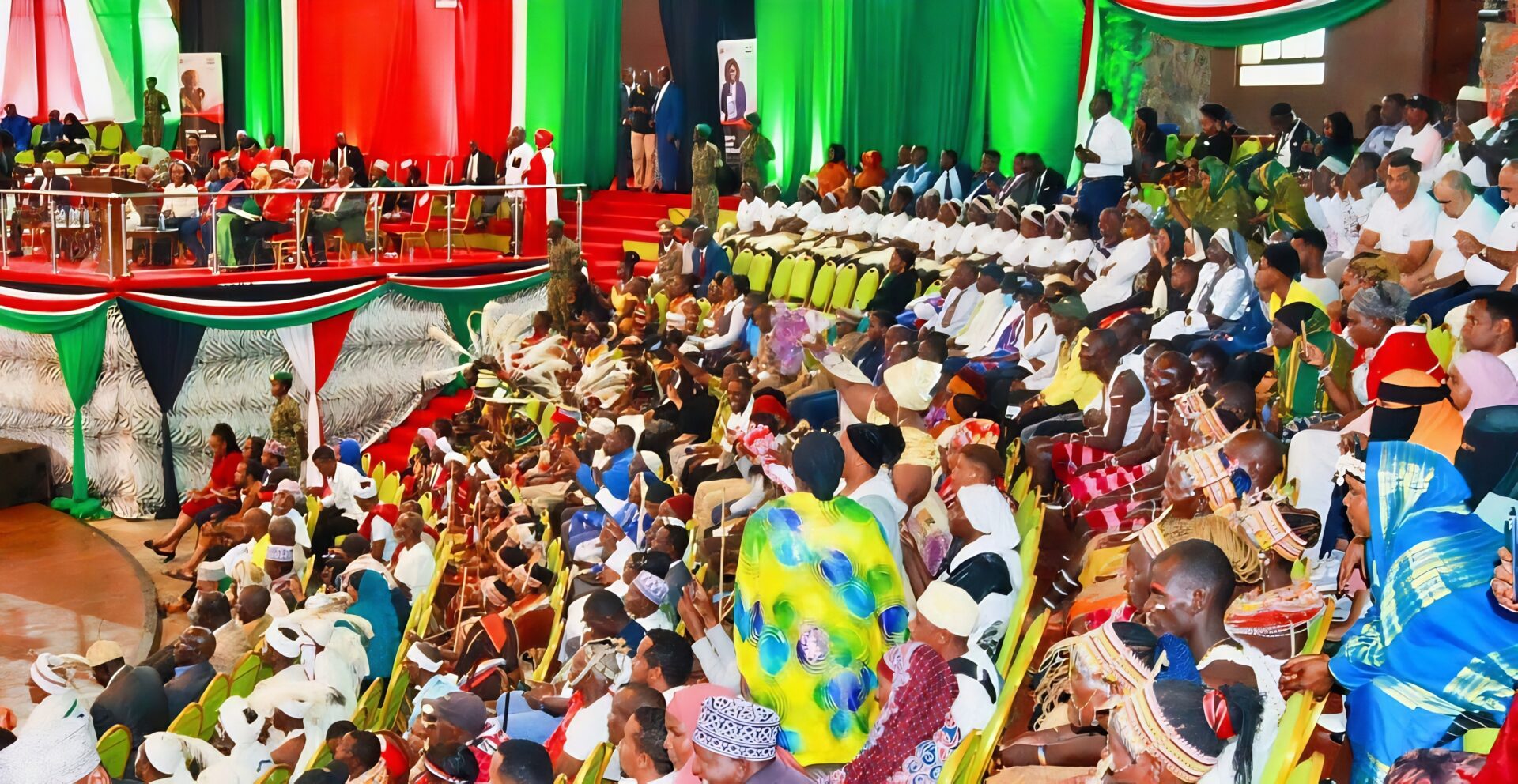
However, it also poses challenges, particularly in fostering unity and understanding among the diverse communities.
The Importance of Protecting Minority Rights
Kenya’s diverse cultural, religious, linguistic and ethnic landscape means that it is crucial to protect minority rights to ensure a just and harmonious society. This encompasses the following elements:
- Legal protections refer to the implementation and enforcement of laws that safeguard the rights of ethnic, religious, and linguistic minorities.
- It is vital to promote awareness and understanding of minority rights through education and public campaigns.
- The development of policies that promote inclusivity and equal opportunities for all communities, irrespective of background, is of paramount importance.
- Community Engagement entails fostering dialogue and collaboration among diverse communities to cultivate mutual respect and understanding.
By protecting the rights of minority groups, Kenya can continue to celebrate its diversity and create a better and more harmonious society. This approach benefits minority groups and strengthens the social fabric of the nation.
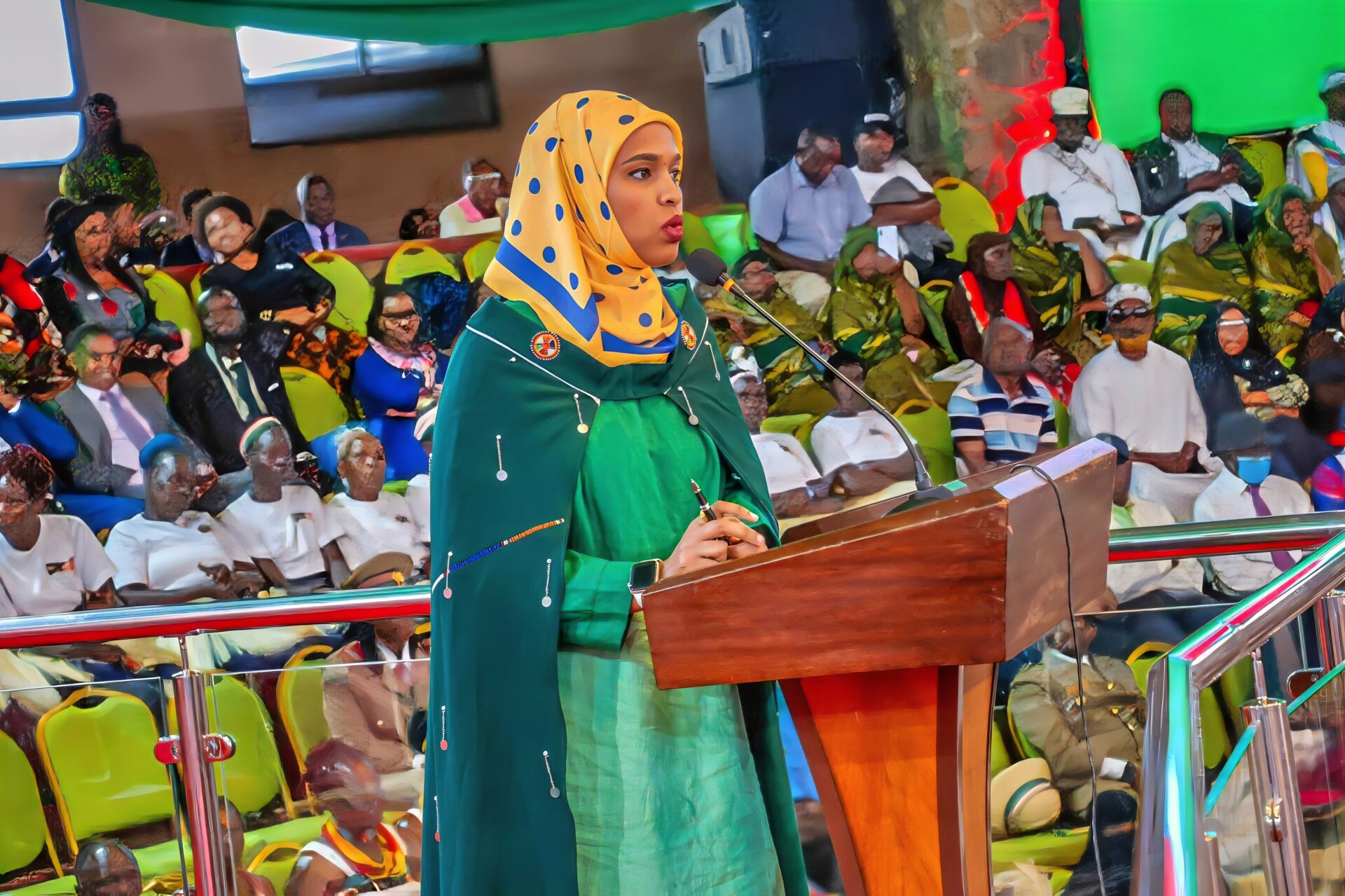
International Minorities Rights Day Celebration
Event Overview
International Minorities Rights Day is celebrated annually on December 18, commemorating the adoption of the United Nations Declaration on the Rights of Persons Belonging to National or Ethnic, Religious, and Linguistic Minorities in 1992. The day serves to underscore the imperative for safeguarding minority rights and fostering acceptance and diversity.
Celebration in Kenya
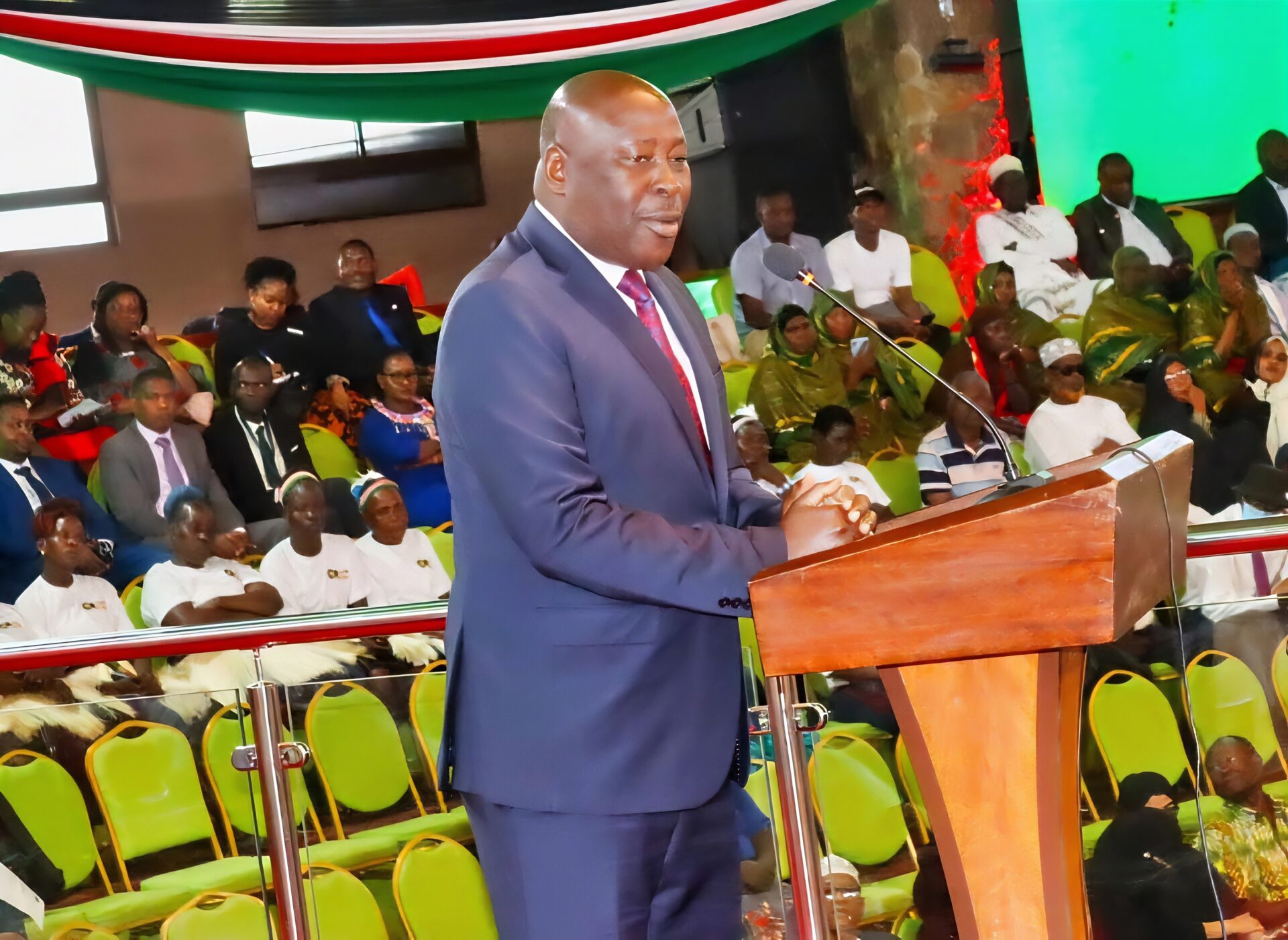
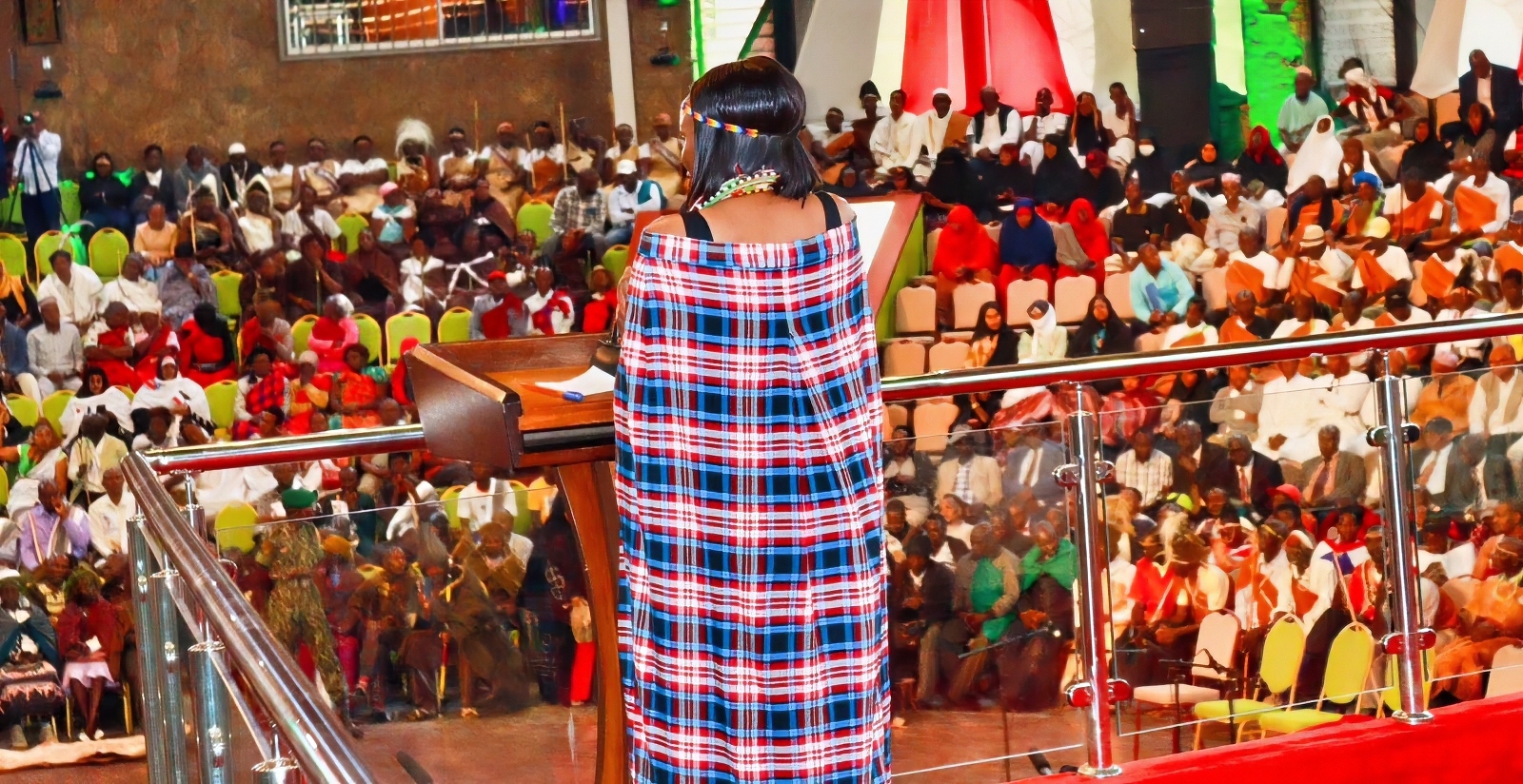
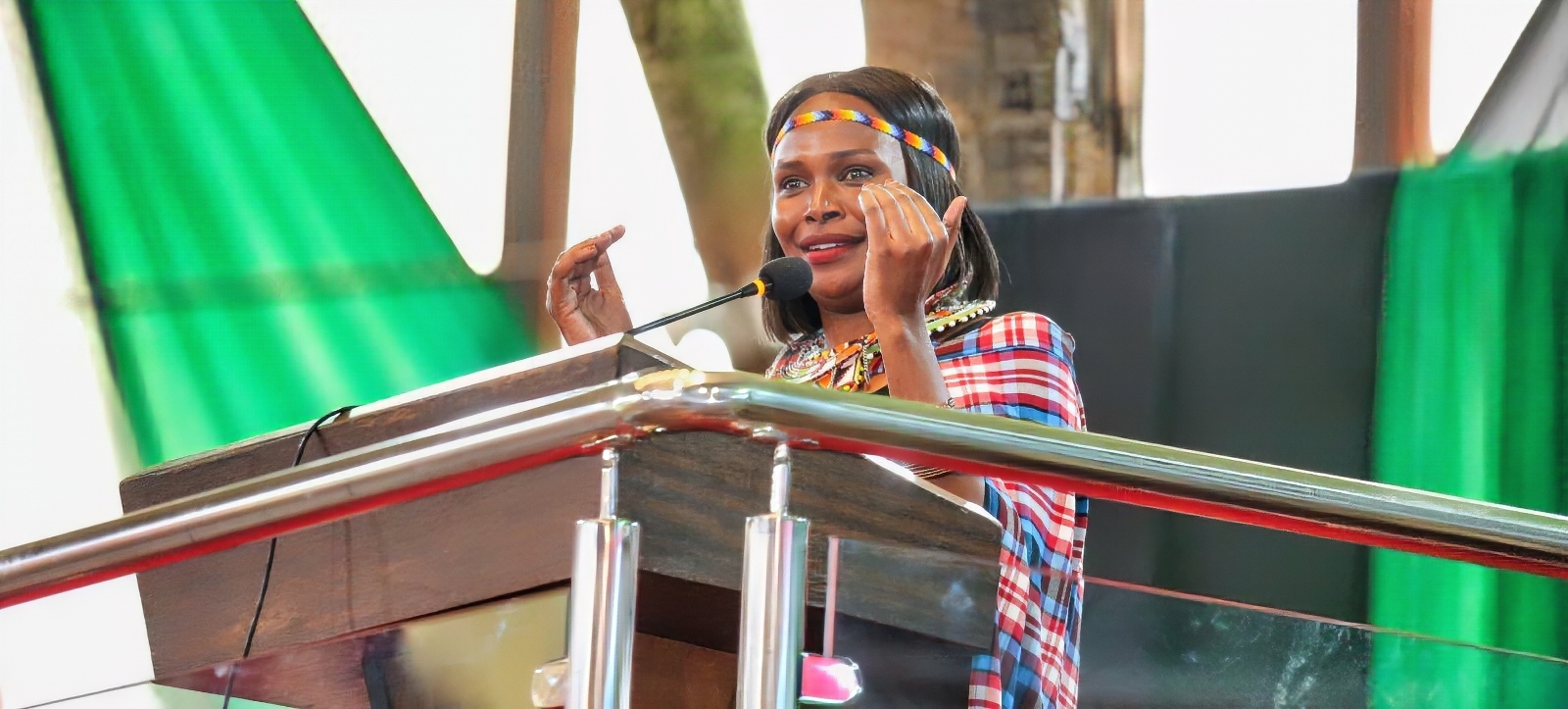
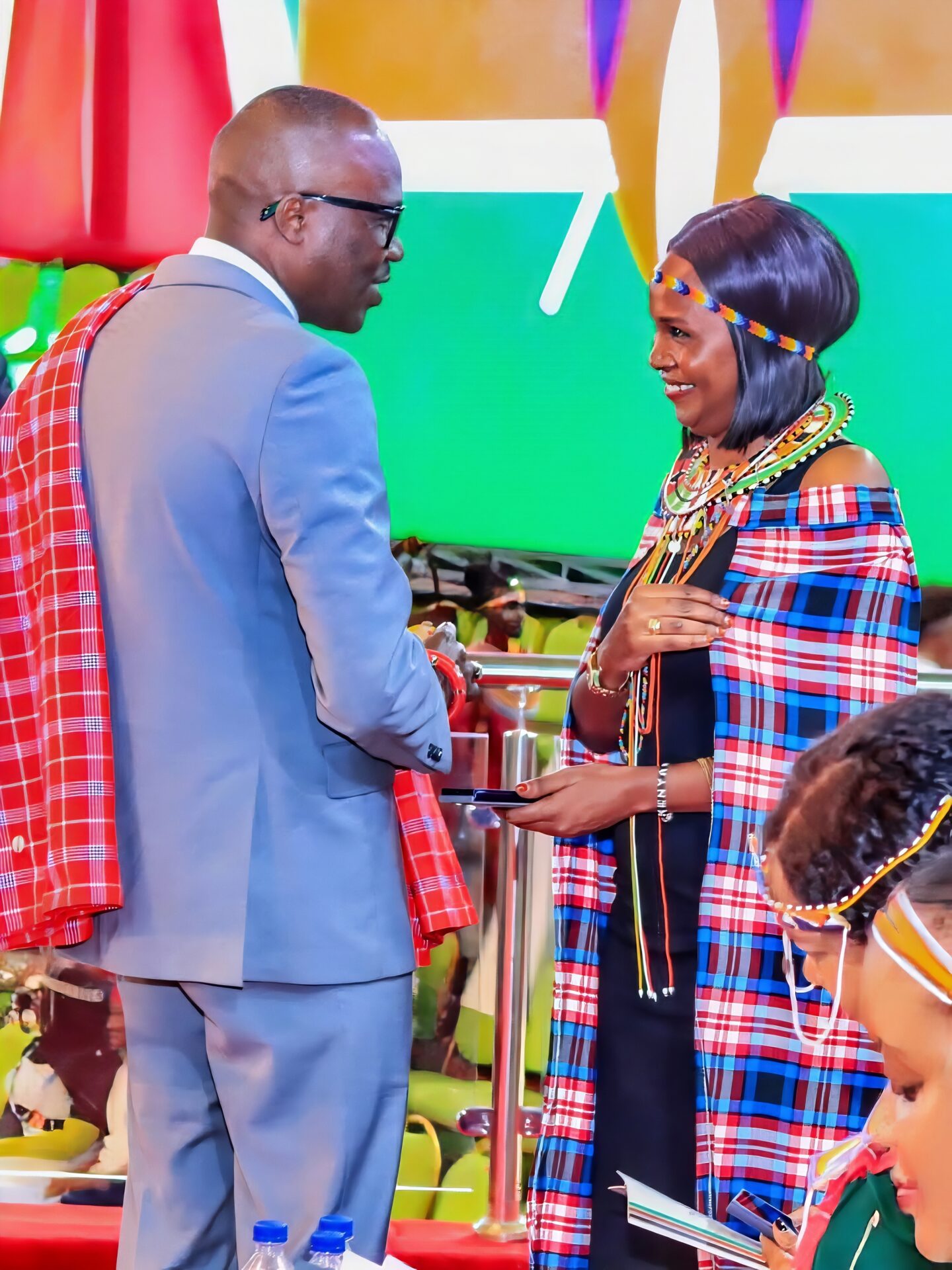
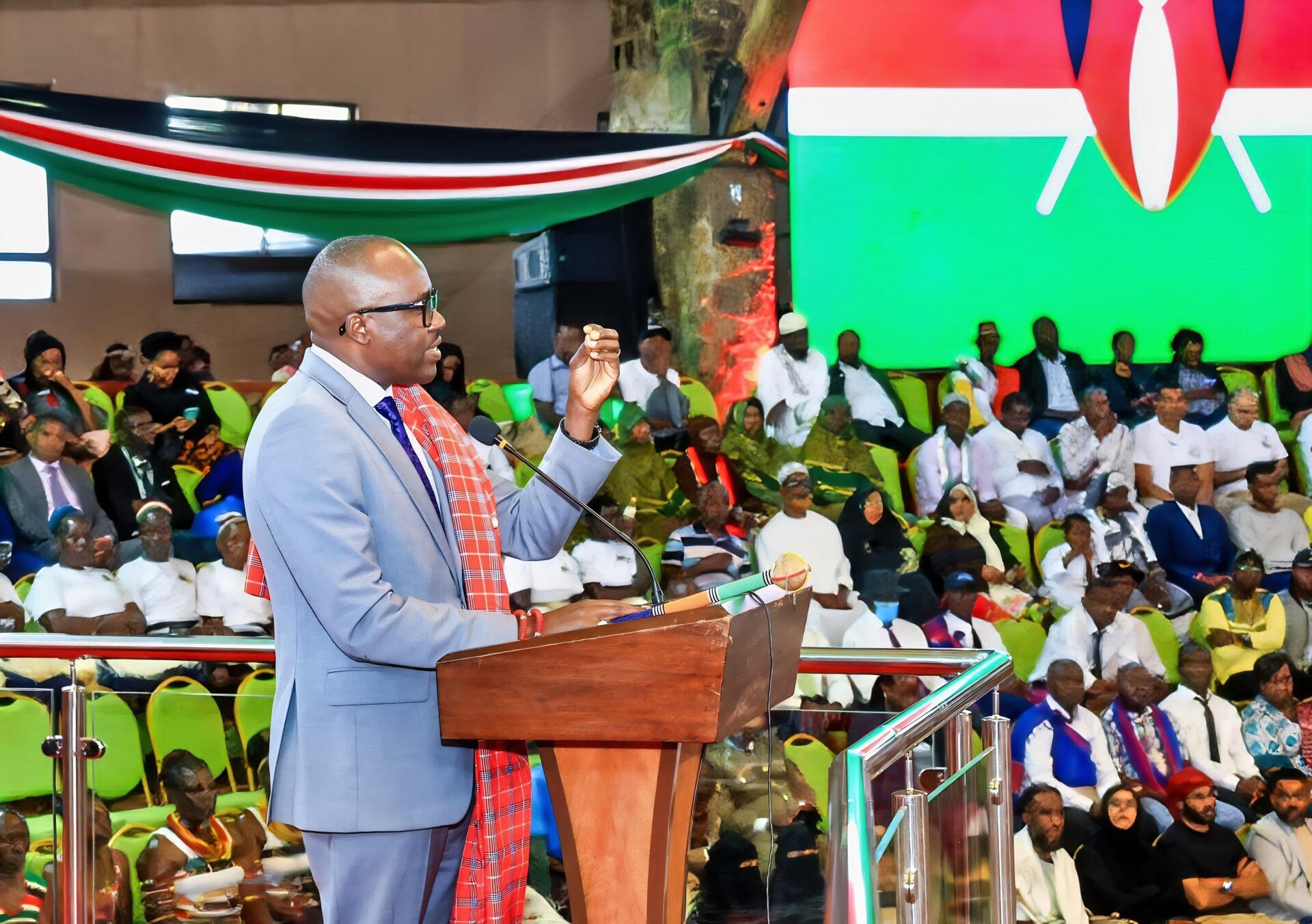
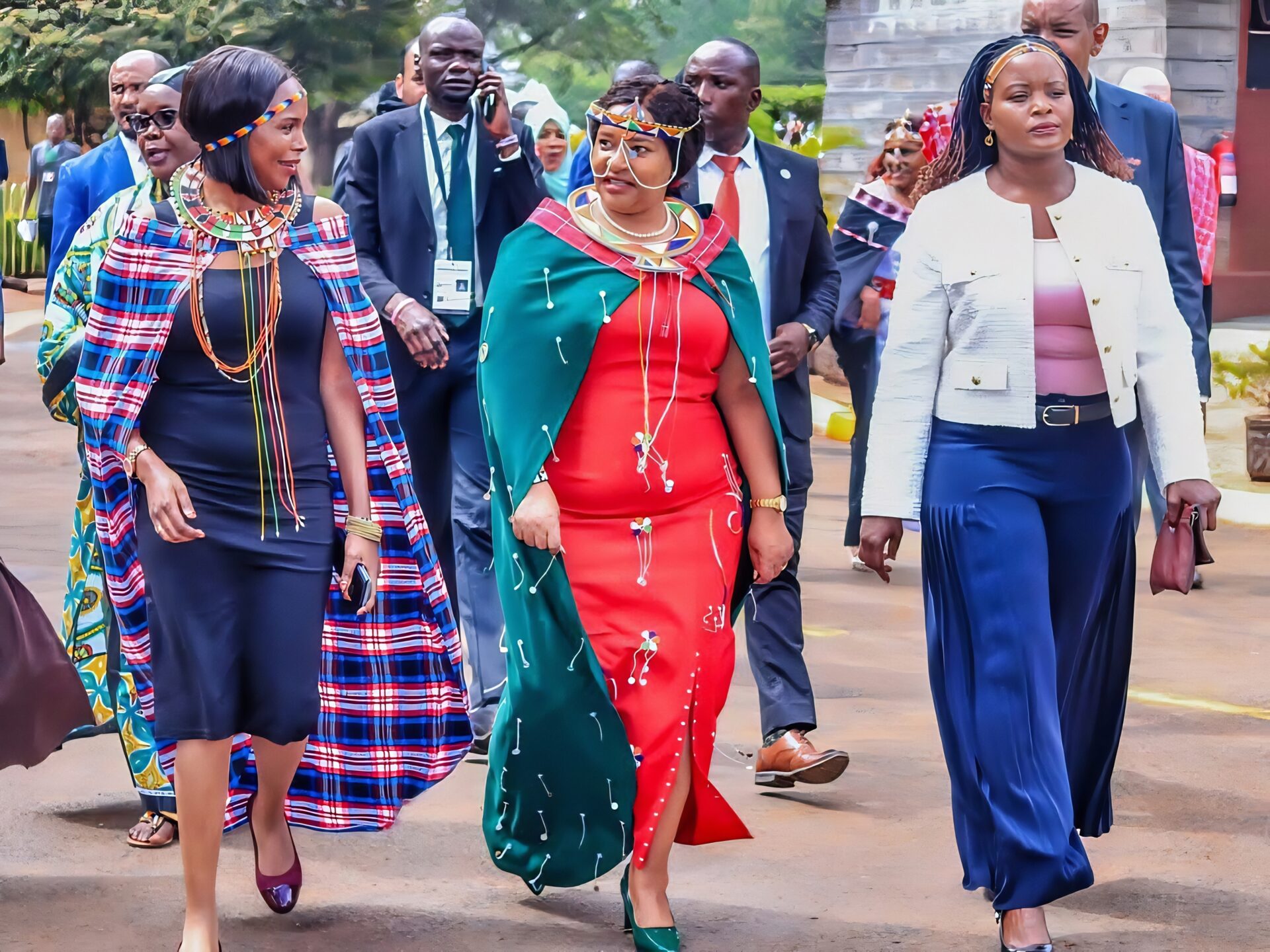
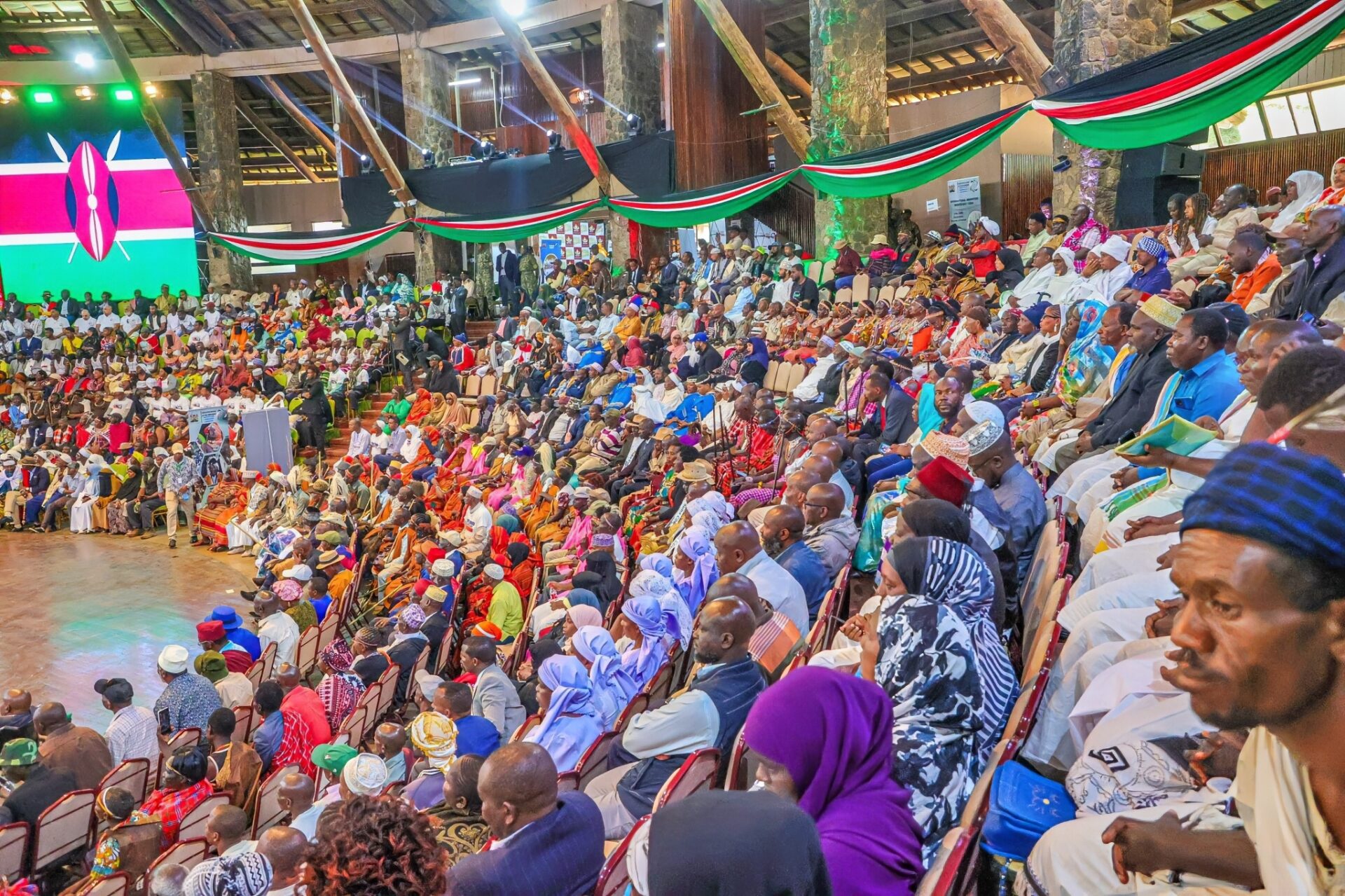
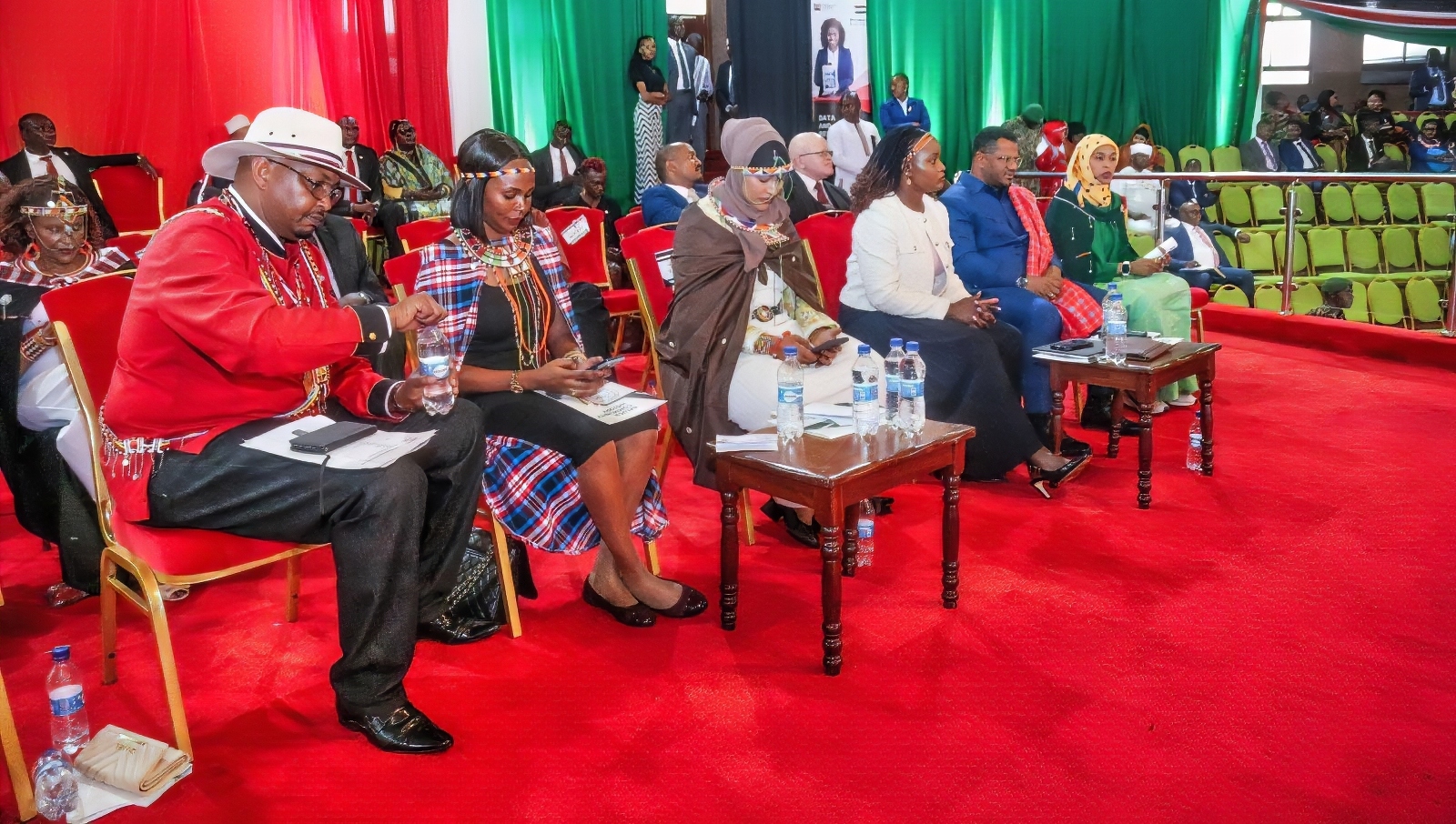
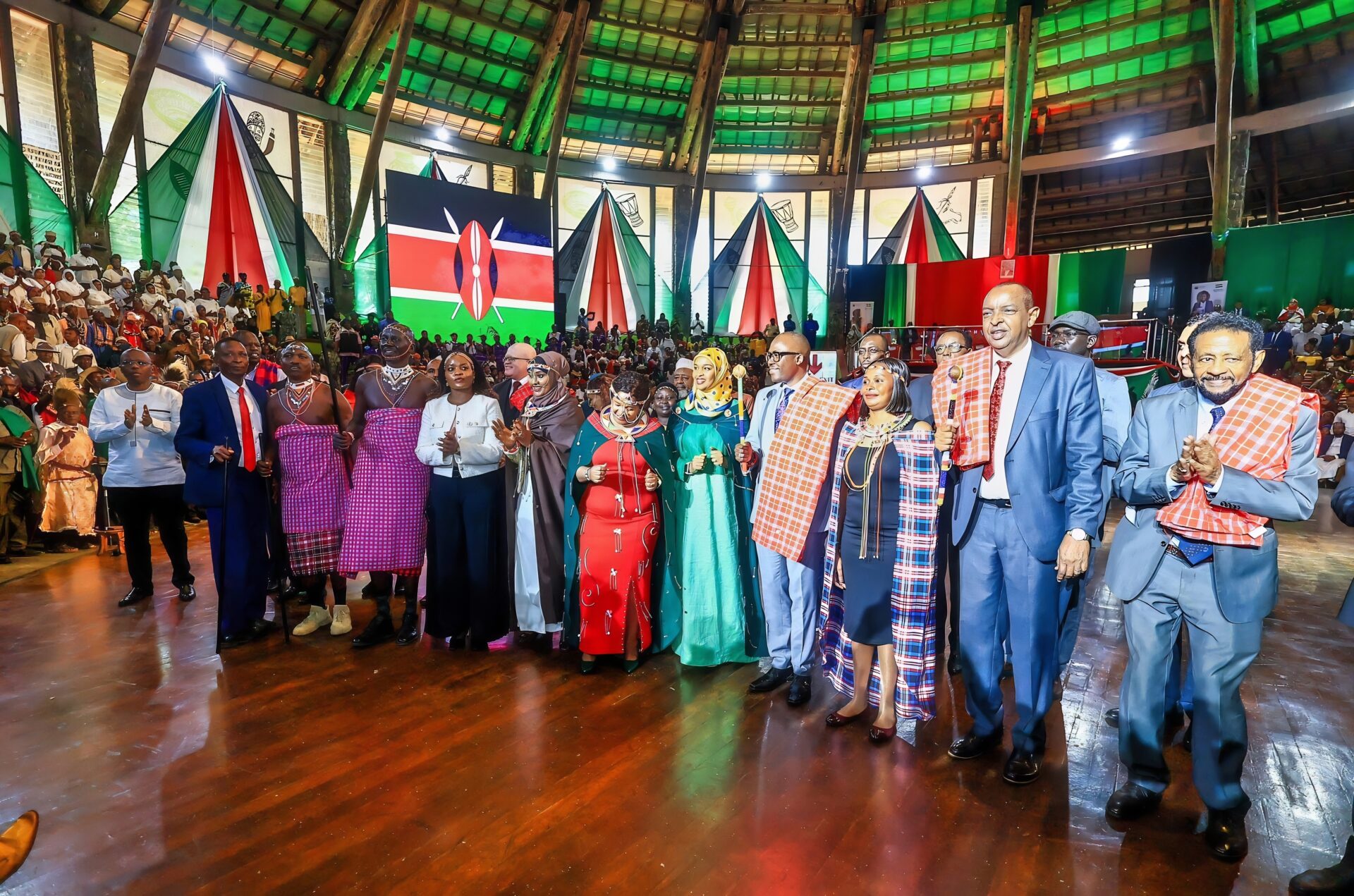
Mr. Joseph M. Motari, Principal Secretary of the State Department for Social Protection and Senior Citizen Affairs, was in attendance at the International Minorities Rights Day celebrations at the Bomas of Kenya today. The event demonstrated the nation’s dedication to diversity and inclusivity.
Significance of the Event
The celebration at the Bomas of Kenya demonstrated Kenya’s dedication to cultivating a fair and inclusive society by safeguarding the rights of ethnic, religious, and linguistic minorities. The event featured keynote addresses, cultural performances, and panel discussions that sought to raise awareness about minority rights and the challenges faced by these communities.
Key Highlights
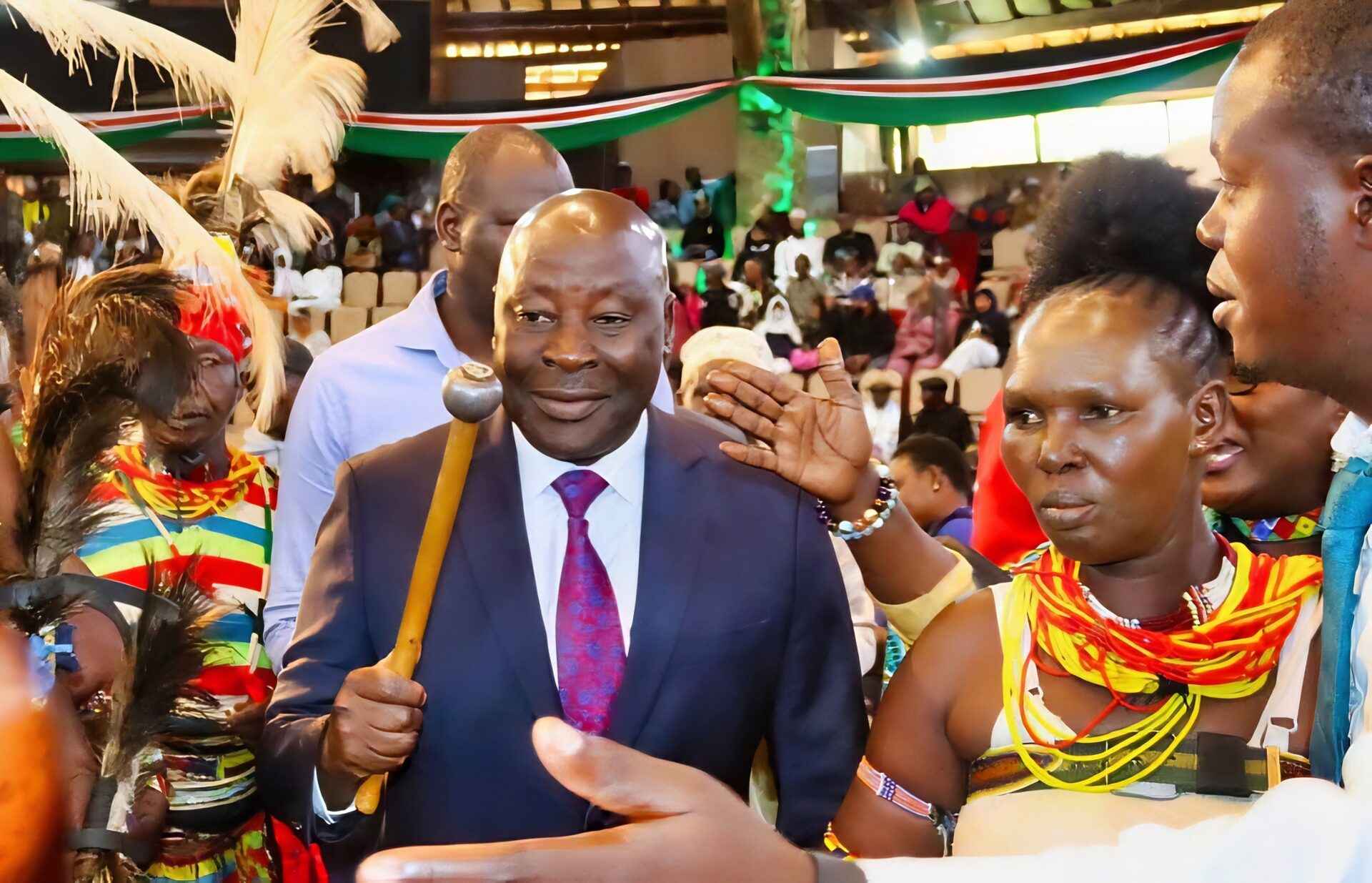
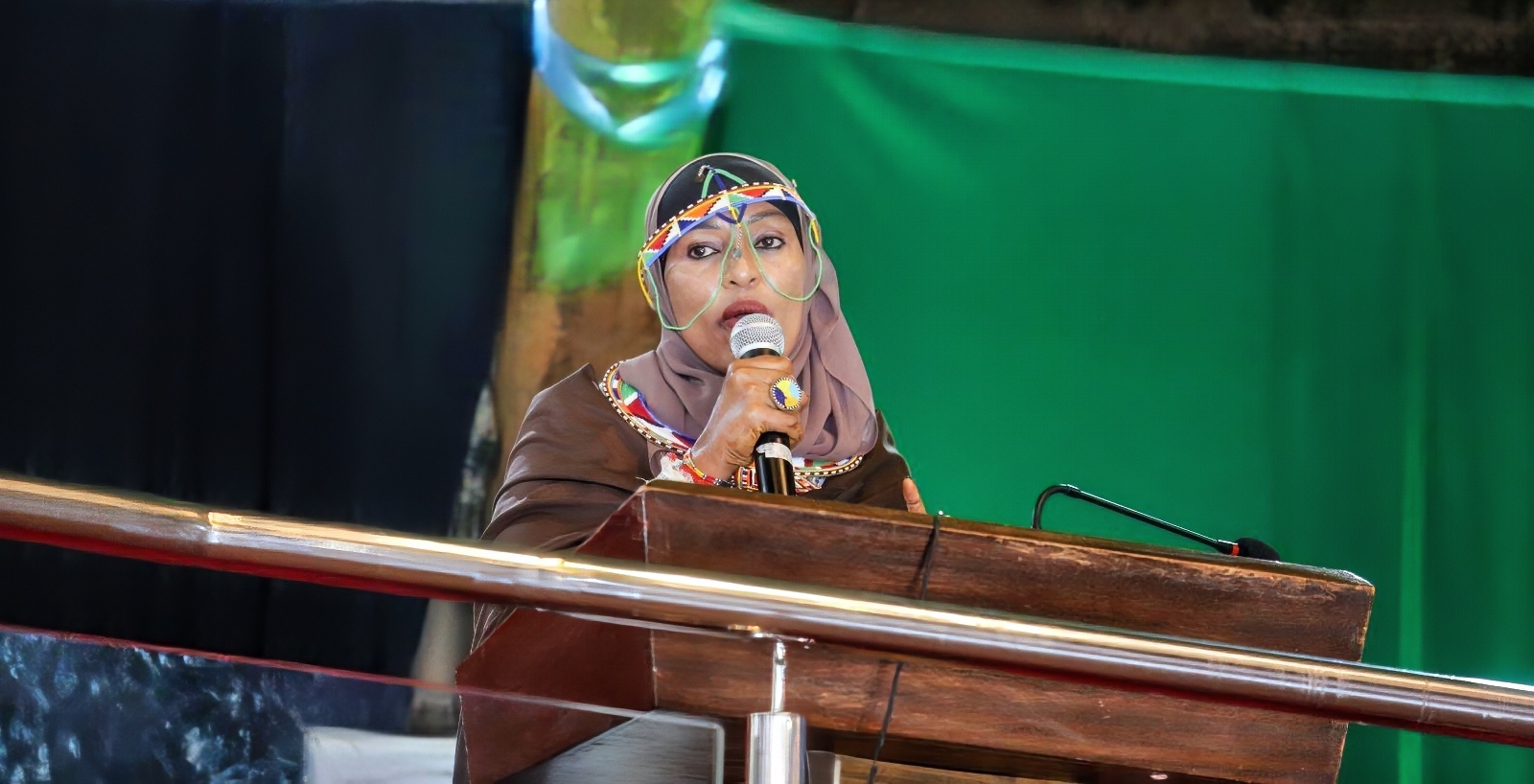
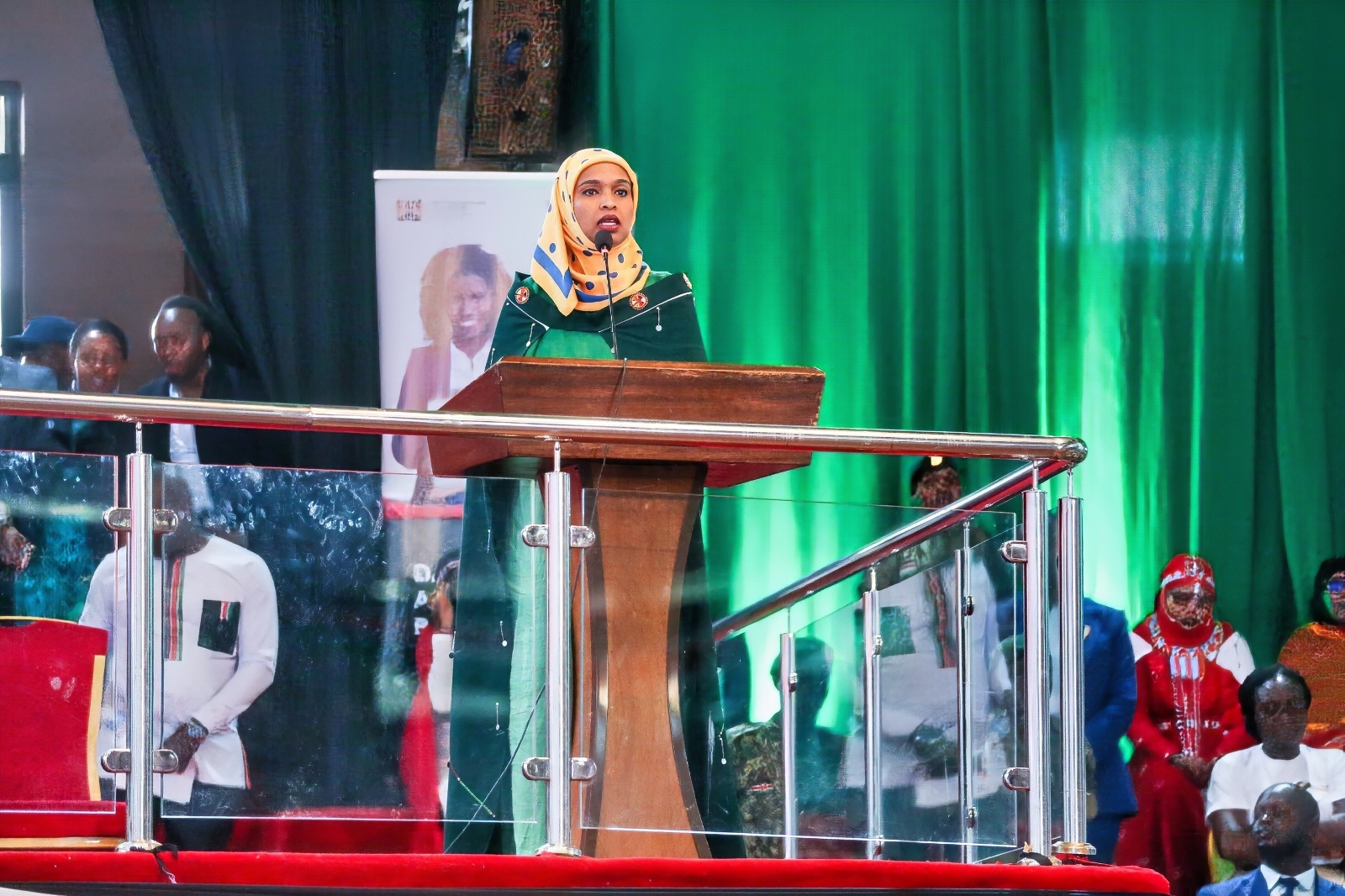
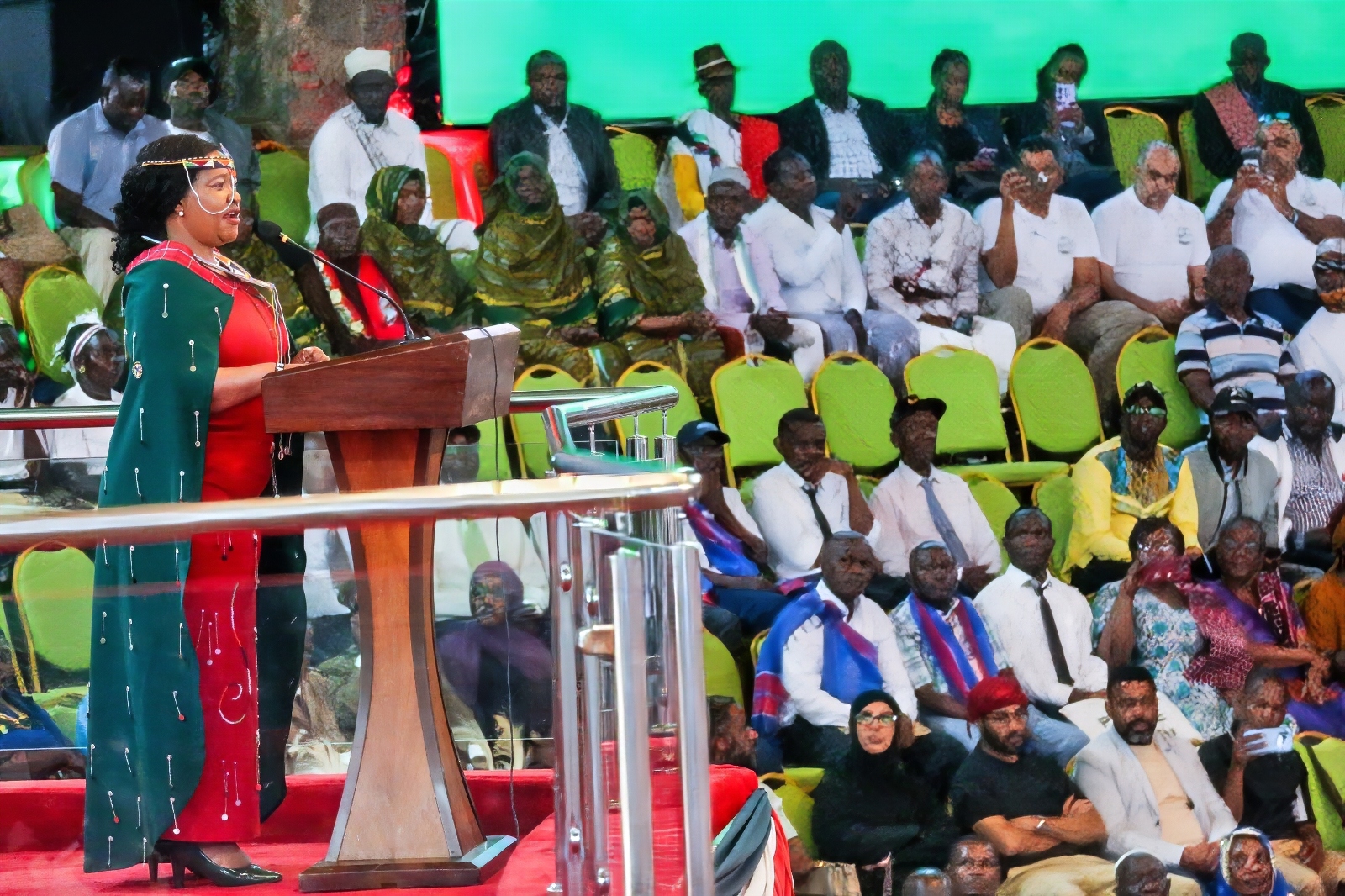
- Several dignitaries, including Joseph M. Motari, delivered speeches highlighting the importance of minority rights and the need for continued efforts to ensure equality and non-discrimination.
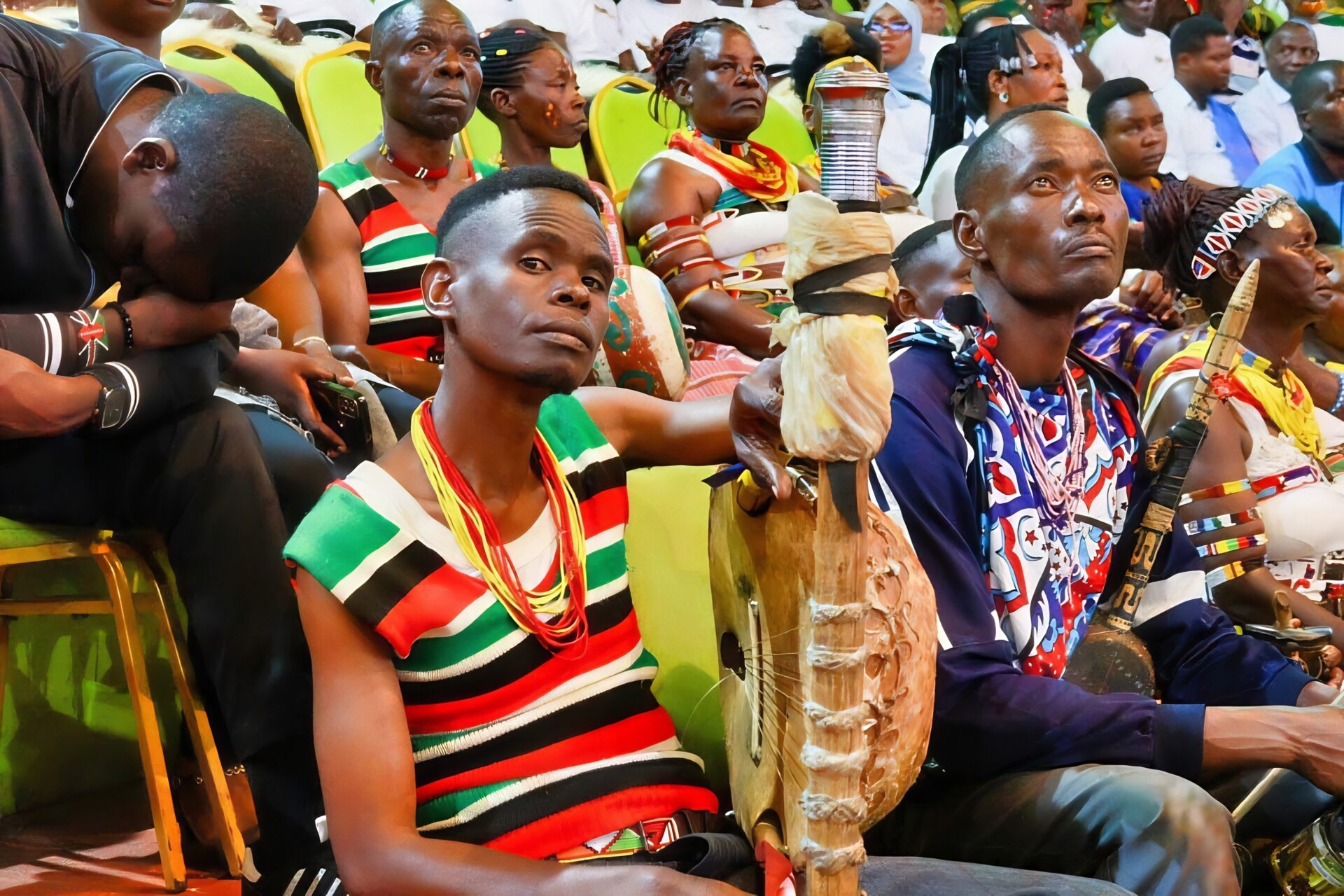
- The event featured cultural performances that showcased Kenya’s rich diversity of ethnic and religious communities.
- To address the challenges faced by minority communities and to explore solutions for promoting inclusivity and protecting minority rights, panels and discussions were convened.
Honouring Minority Communities
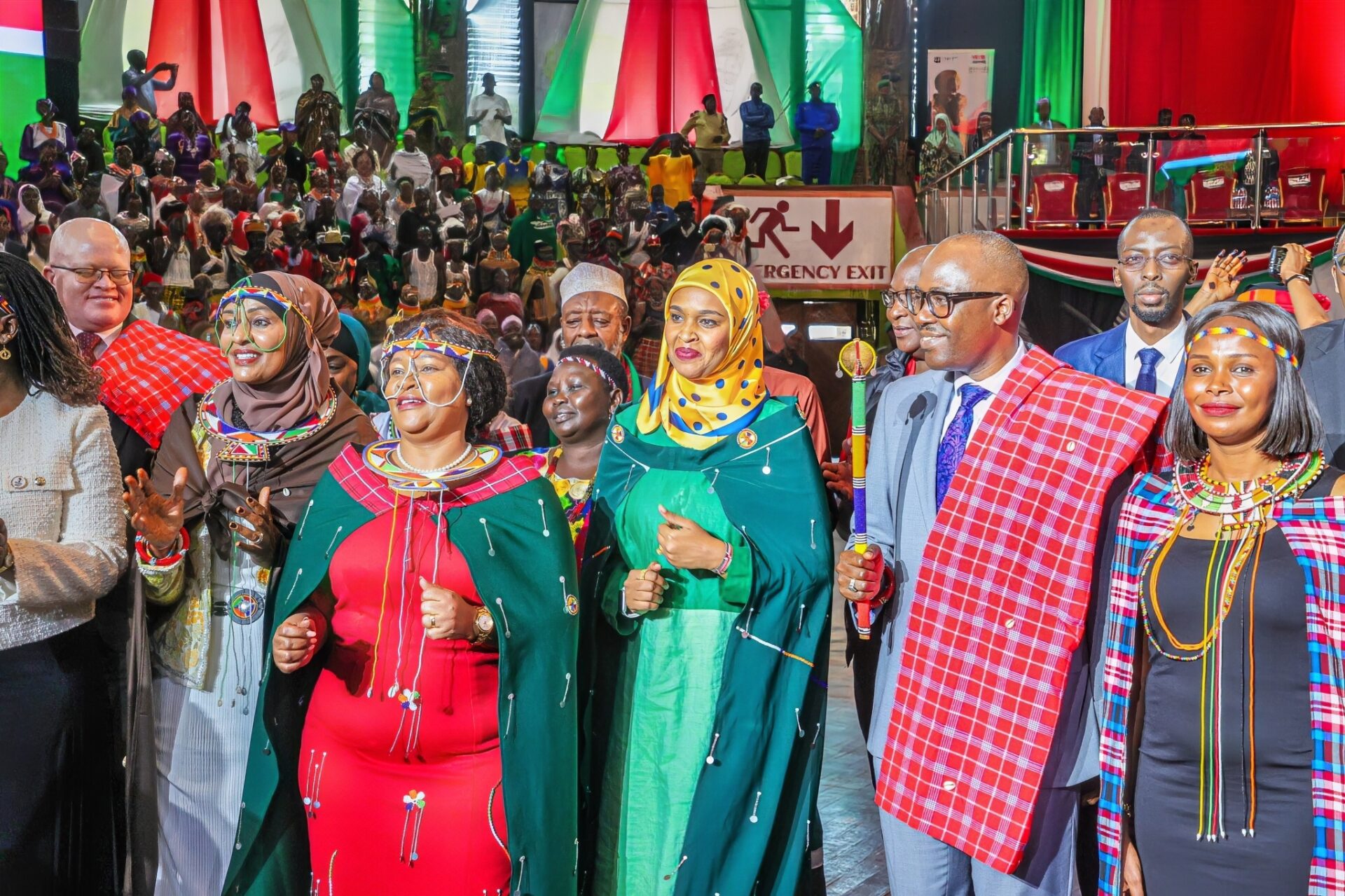
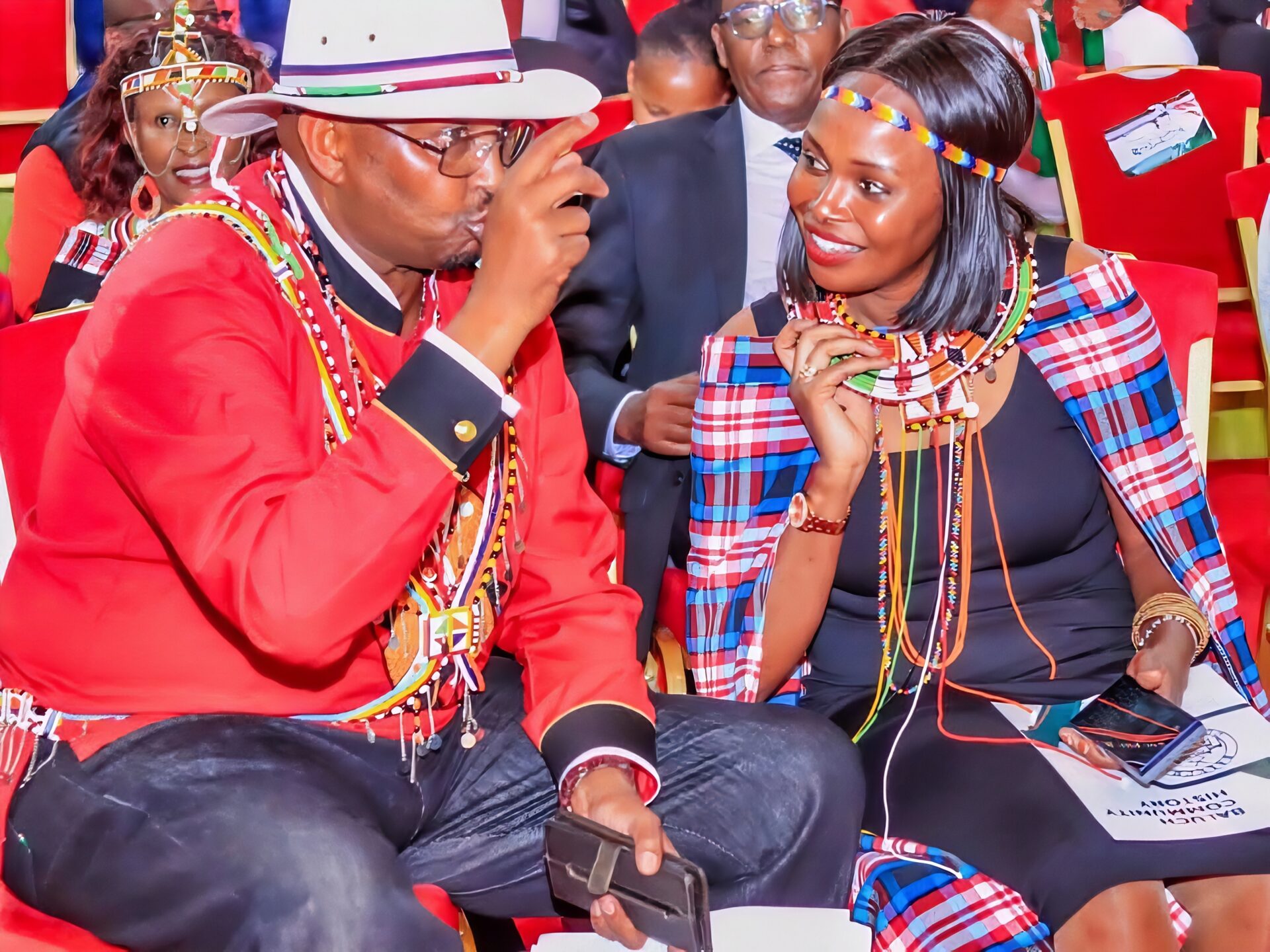
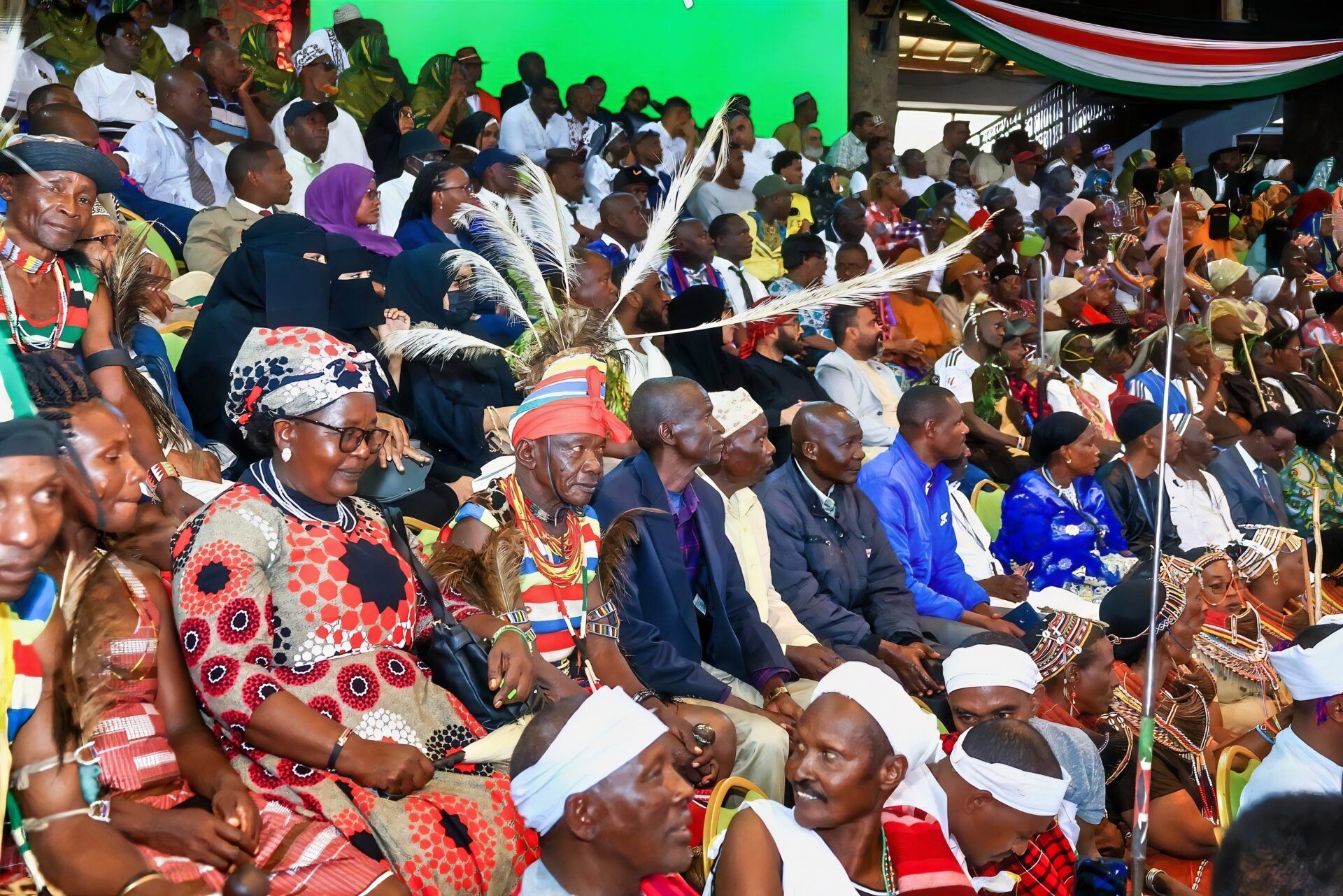
The Bomas of Kenya event to commemorate International Minorities Rights Day brought together delegates, cultural performers, and stakeholders from across the country. The event recognised the invaluable contributions of Kenya’s minority communities and emphasised the importance of diversity and inclusion in shaping the nation.
Cultural Exhibitions
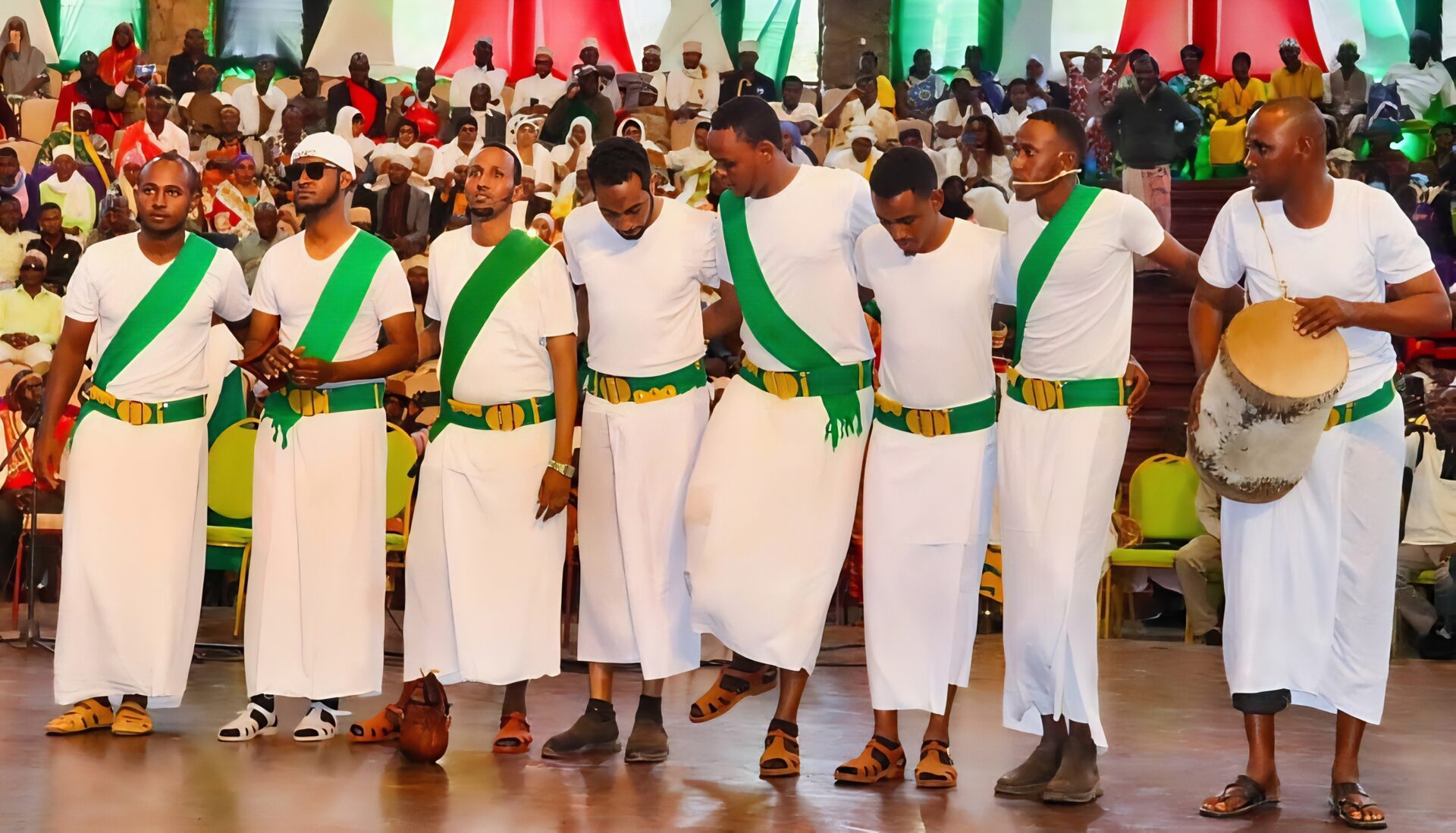
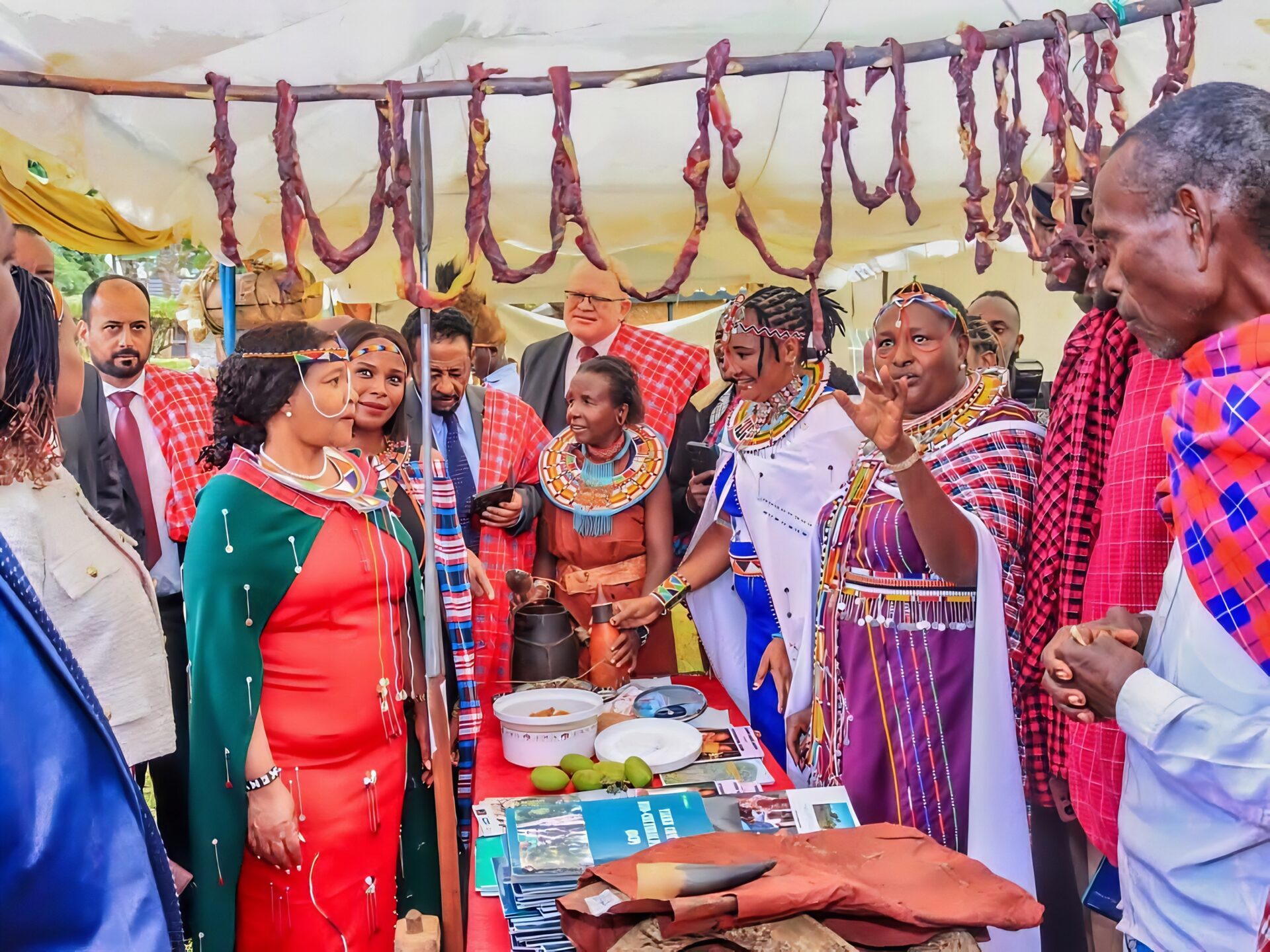
One of the primary highlights of the event was the vibrant cultural exhibits. These exhibitions highlighted the rich cultural heritage of Kenya’s diverse ethnic and religious communities. Attendees were invited to explore a wide array of traditional artefacts, clothing and crafts, providing a valuable opportunity to gain a more profound understanding of the diverse cultural practices that form the foundation of Kenyan society.
Traditional Dances
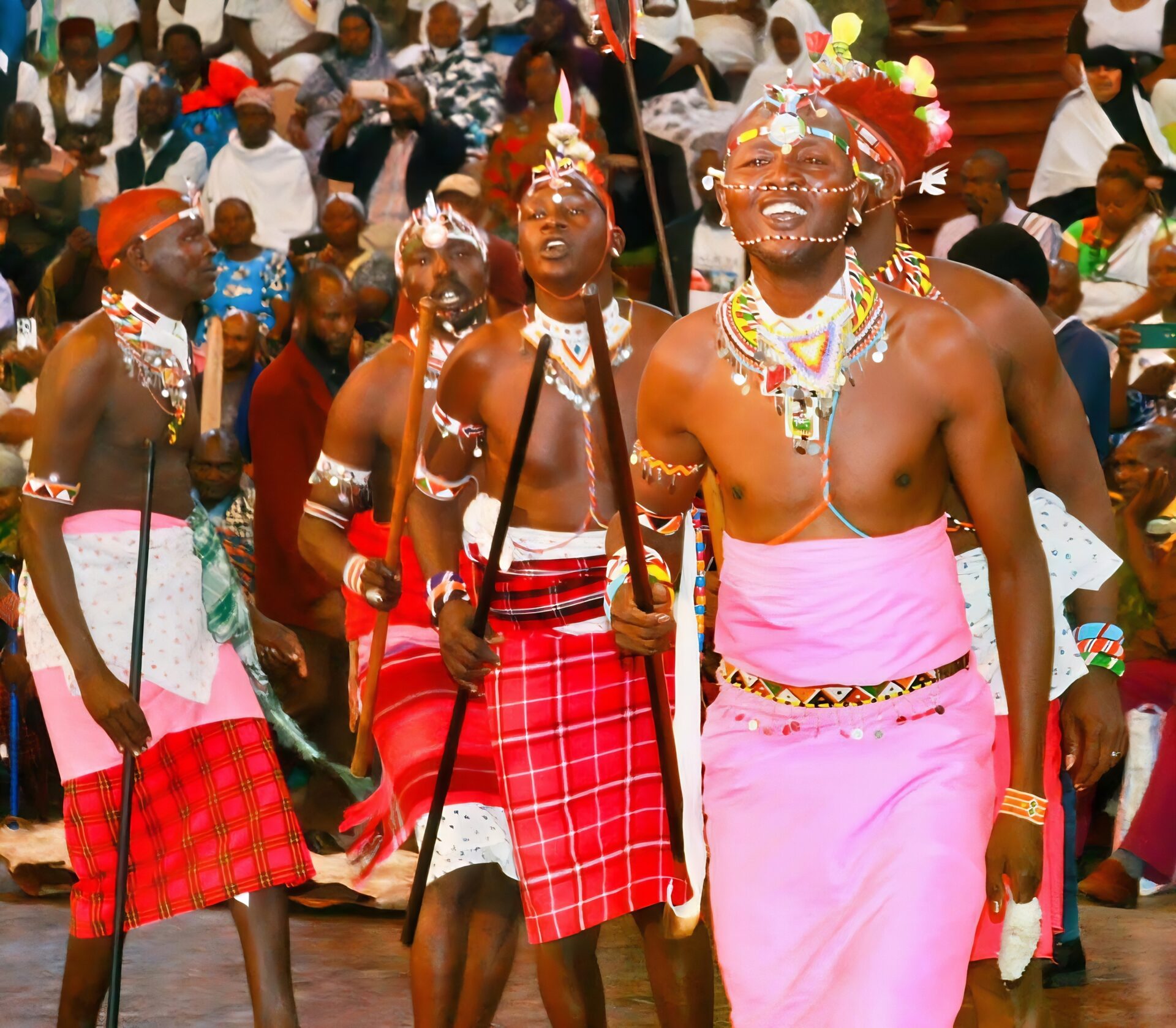
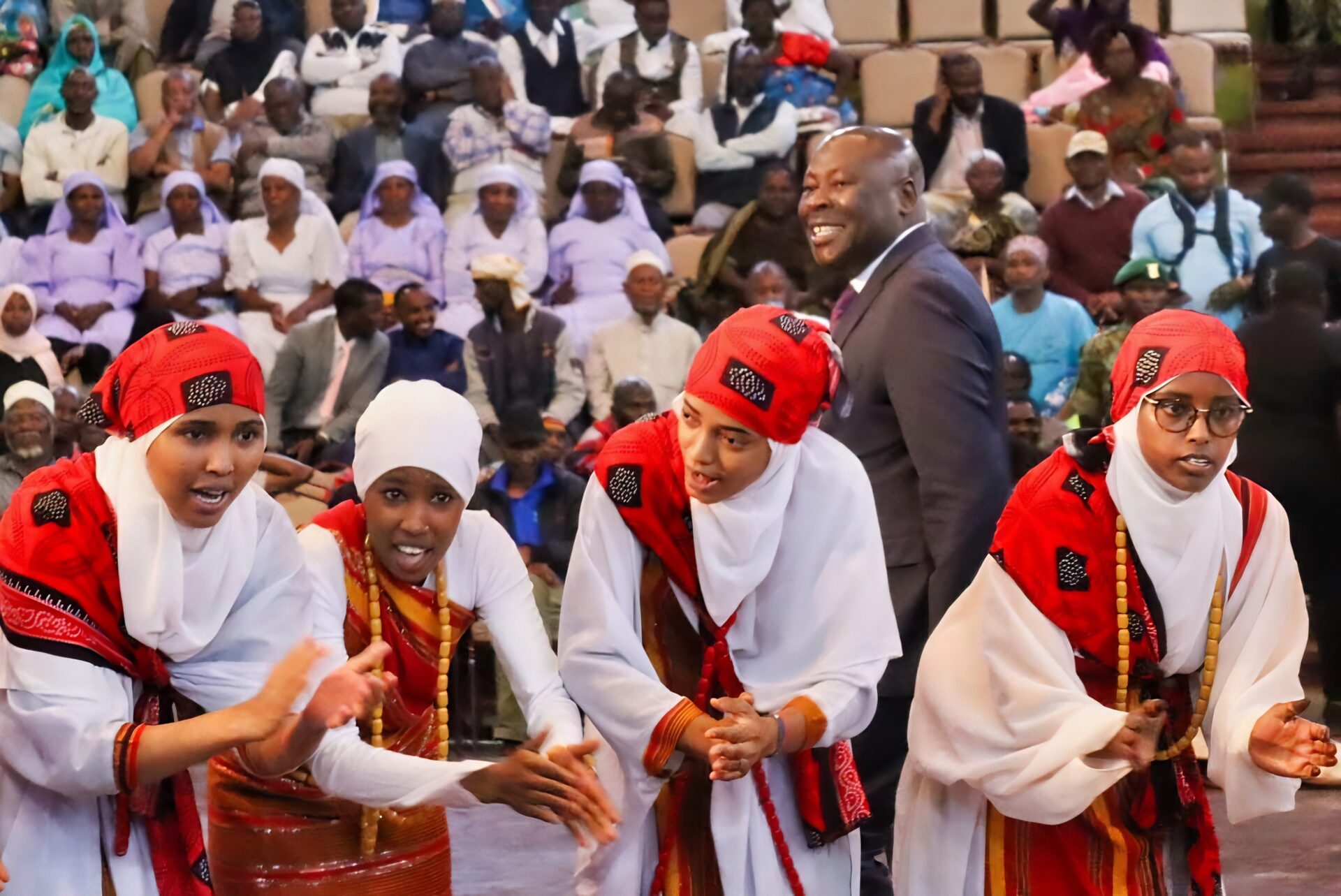
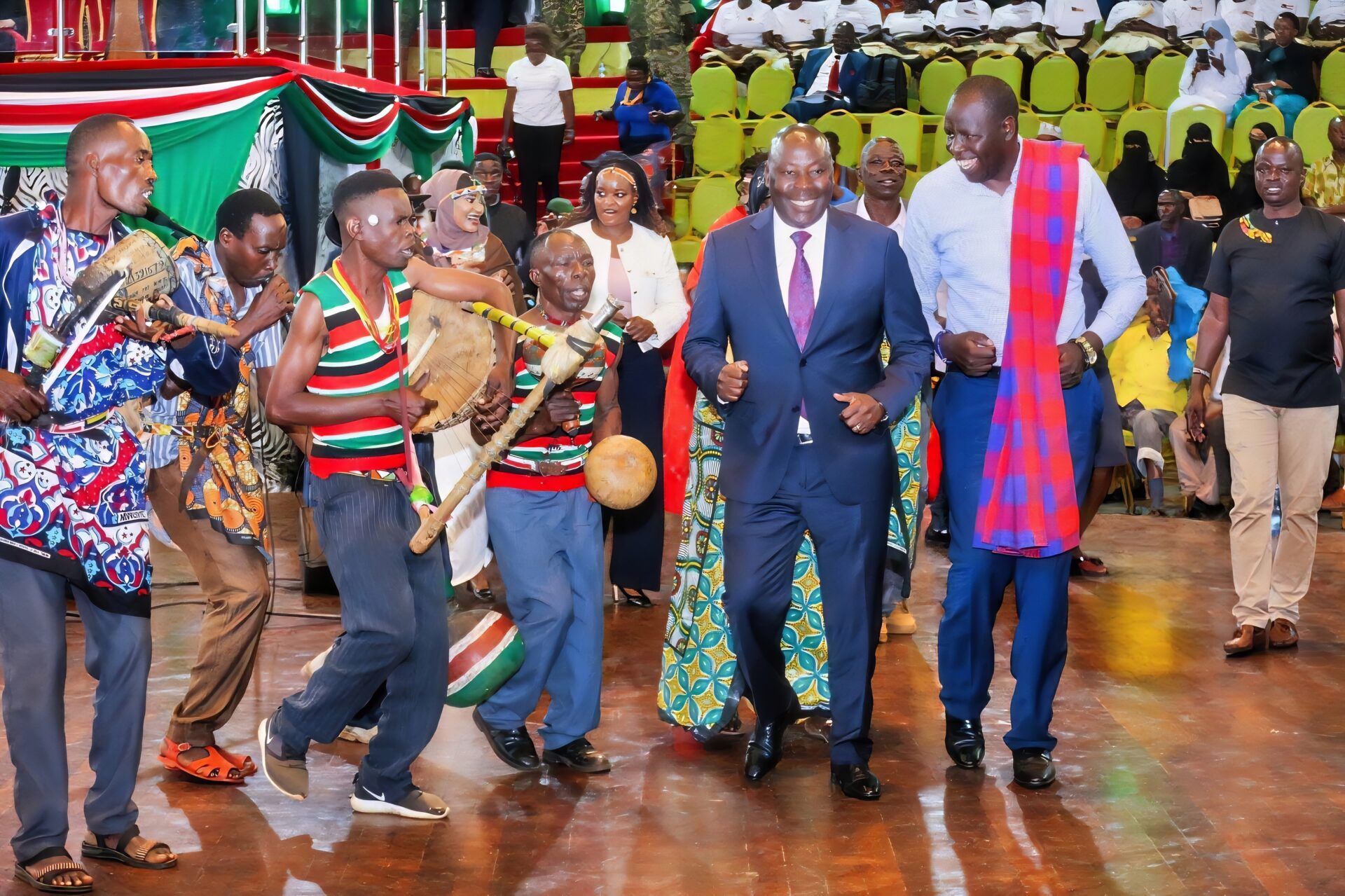
Additionally, the celebration featured traditional dance performances from various minority groups. These performances conveyed a powerful expression of cultural identity and pride. The dances emphasised mutual respect and understanding between different communities.
Unity in Diversity
The event highlighted the significance of unity in diversity, emphasising the contributions of minority communities to national development. The event reinforced the message that everyone, regardless of their background, has a vital role to play in building a just and harmonious society by honouring these communities.
Stakeholder Engagement
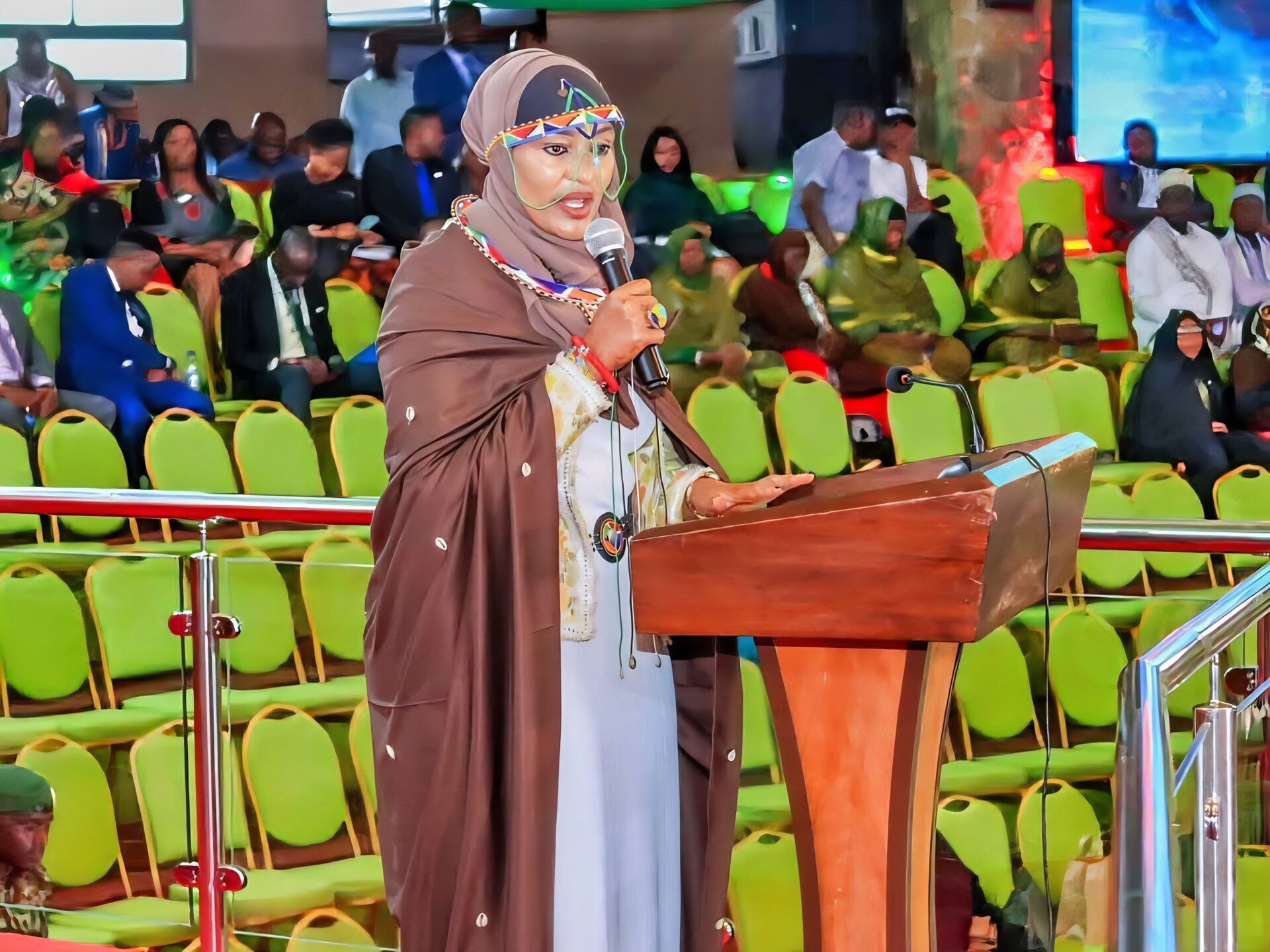
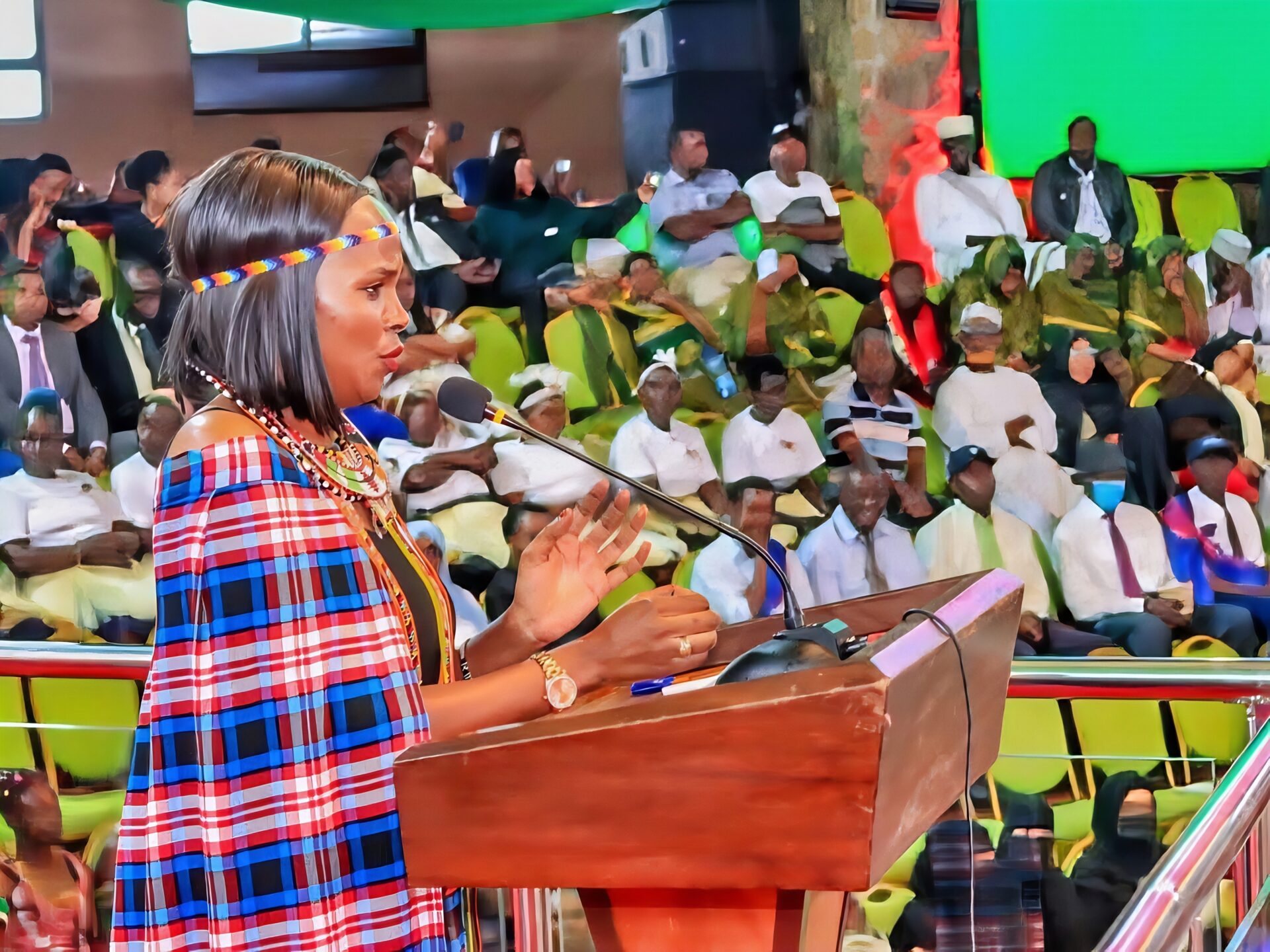
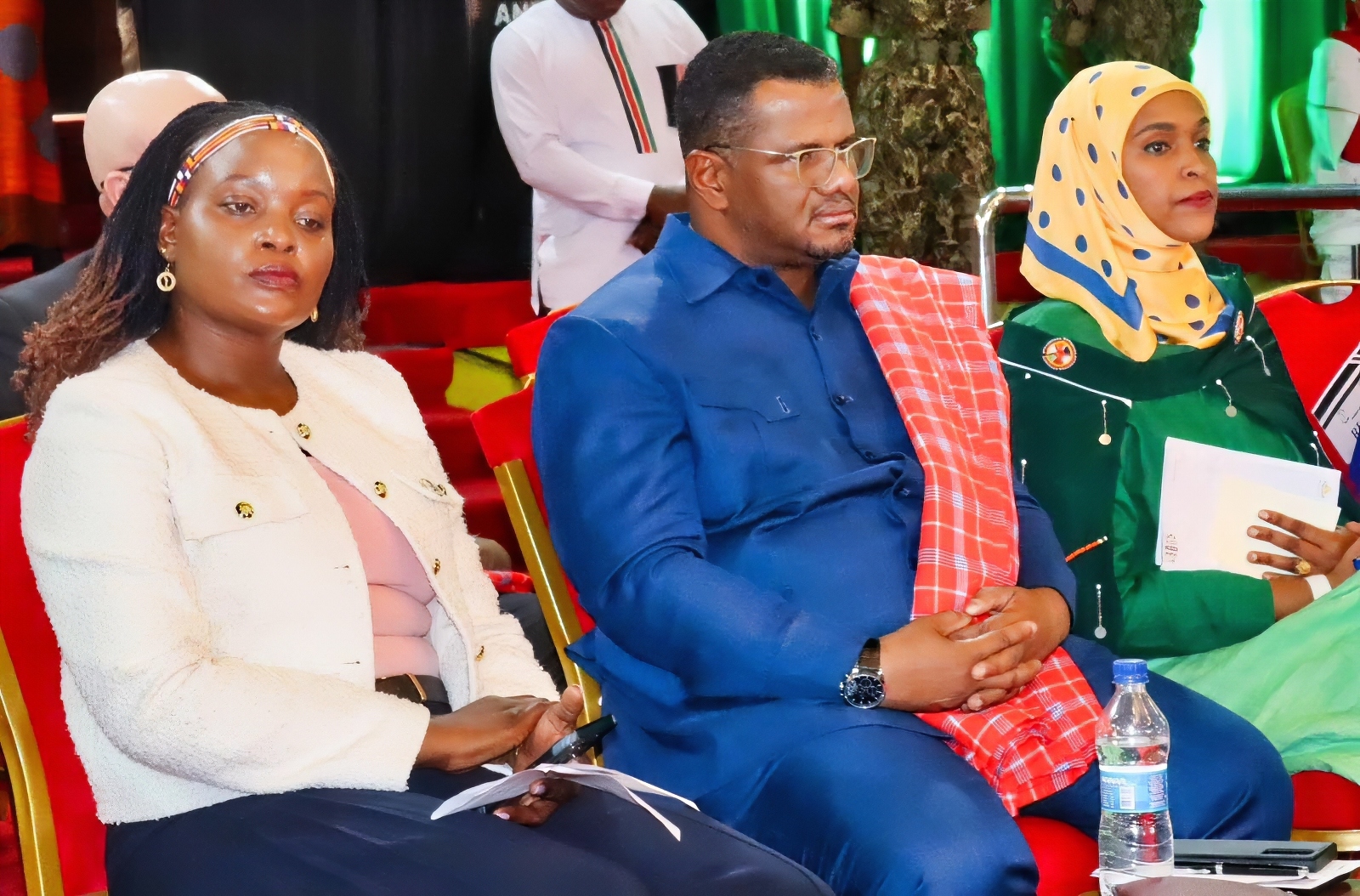
The event was attended by stakeholders from various sectors, including government officials, community leaders, and representatives from non-governmental organisations. They demonstrated a collective commitment to promoting minority rights and fostering an inclusive environment for all Kenyans by their presence and engagement.
Celebrating Cultural Heritage
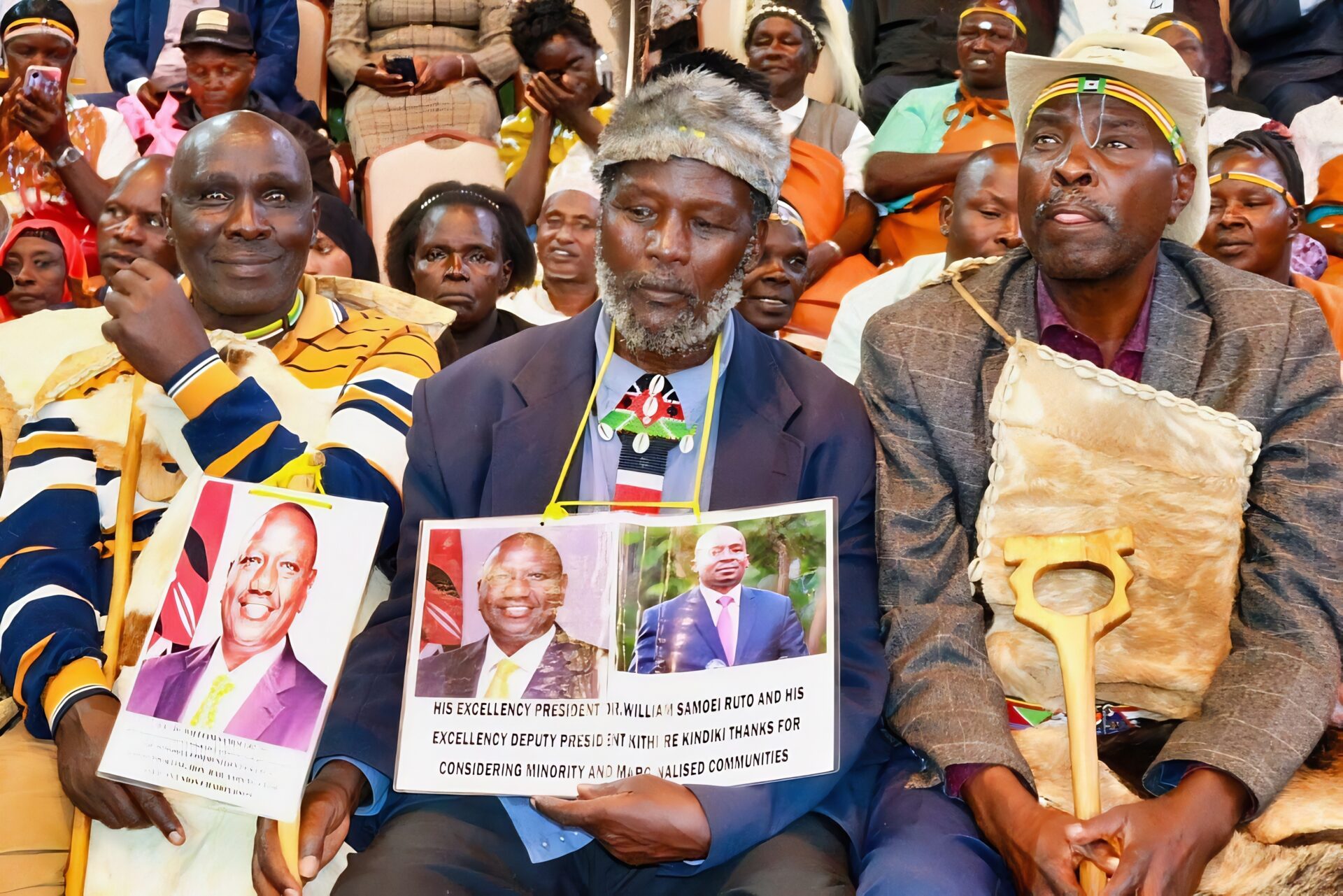
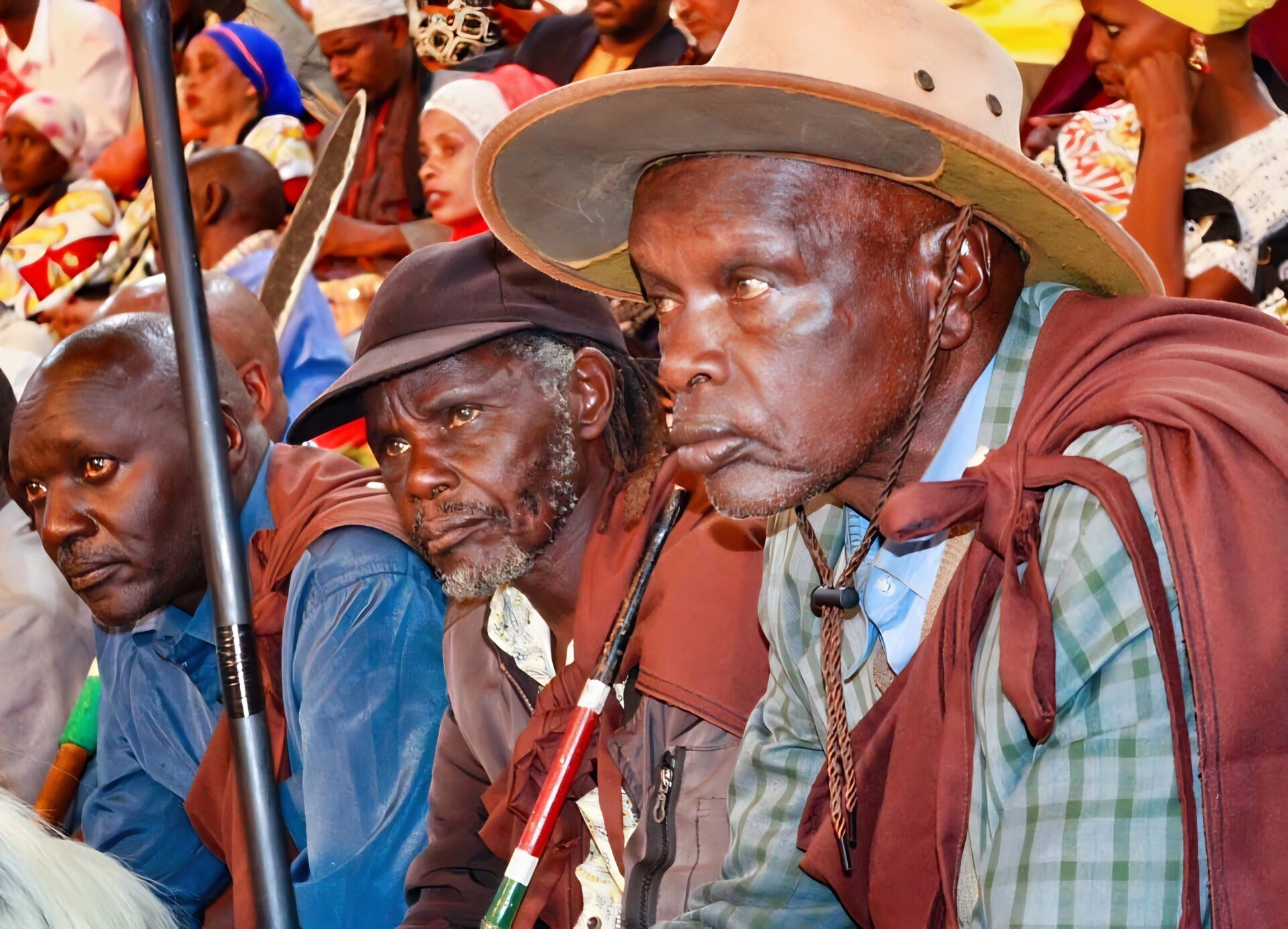
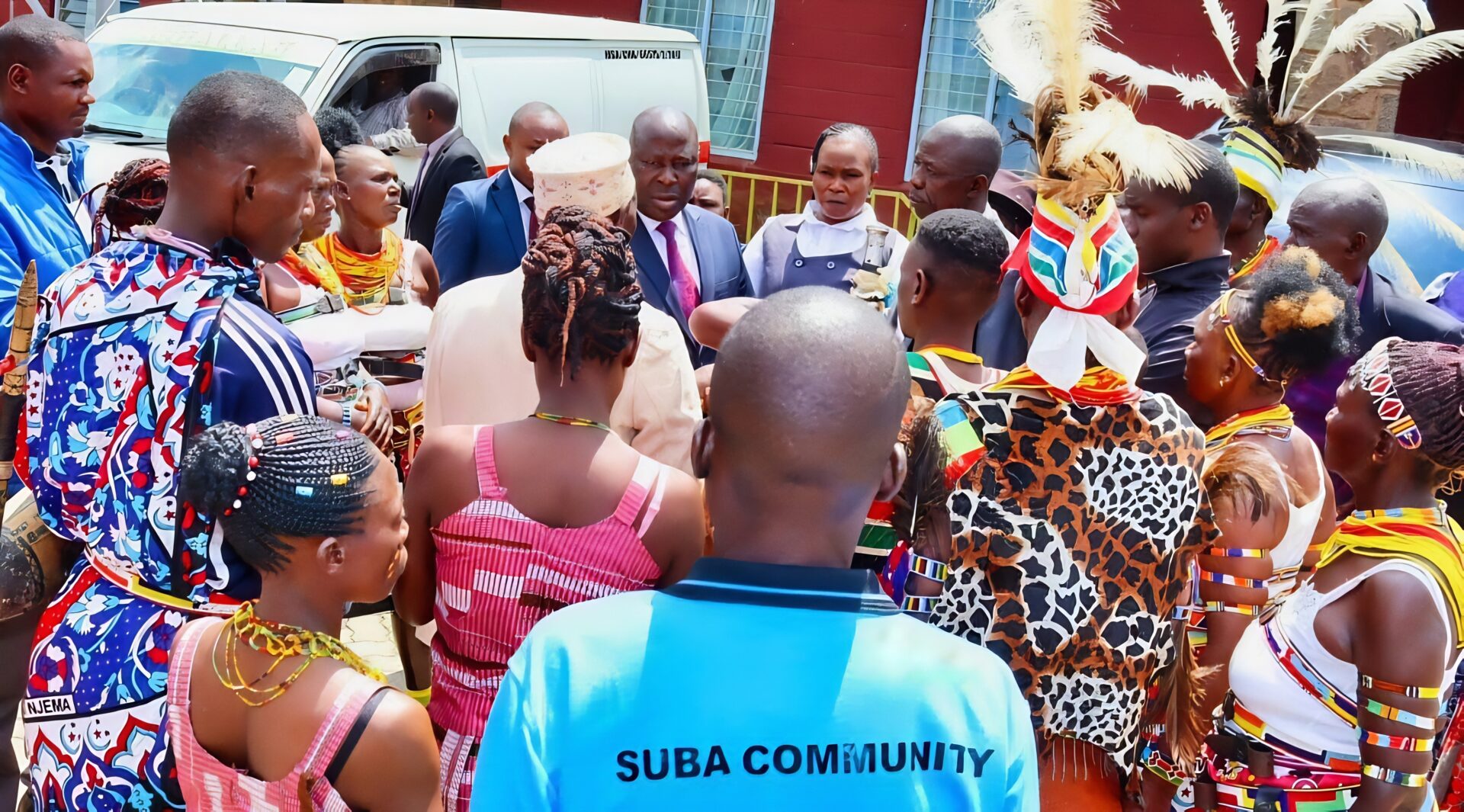
The commemoration of International Minorities Rights Day at the Bomas of Kenya provided a valuable opportunity to acknowledge the significant contributions of the Kuria, Ogiek, Boni and other minority communities to the enhancement of Kenya’s rich cultural heritage and shared past. These communities have made invaluable contributions to the preservation and promotion of Kenya’s diverse cultural landscape.
The Kuria Community
The Kuria community, located primarily in southwestern Kenya, is renowned for its rich cultural traditions, encompassing distinctive music, dance, and traditional ceremonies. Their agricultural practices and craftsmanship have contributed to the local economy and cultural heritage.
The Ogiek Community
The Ogiek, one of Kenya’s indigenous forest communities, has a deep connection to the Mau Forest. Their traditional knowledge of forest conservation and sustainable living practices is vital for the preservation of Kenya’s natural resources. The cultural practices of the Ogiek, including honey harvesting and herbal medicine, are integral to their identity and heritage.
The Boni Community
The Boni community, also known as the Aweer, is located in the coastal forests of north-eastern Kenya. They have traditionally practised a hunter-gatherer lifestyle and possess a profound understanding of the forest ecosystem. Their cultural heritage comprises unique rituals, folklore, and traditional knowledge of medicinal plants, which are vital for the preservation of their cultural identity.
The contributions made to the cultural landscape of Kenya are significant.
The continued existence of Kenya’s diverse cultural landscape is contingent on the contributions of these minority groups and others. Their contributions include:
- Cultural practices in Kenya encompass a wide range of activities, including music, dance, ceremonies and rituals, all of which play a vital role in enriching the nation’s cultural heritage.
- Sustainable practices in agriculture, forest management and medicine contribute to environmental preservation and community health.
- Craftsmanship encompasses the creation of unique crafts and artefacts that reflect the cultural identity and creativity of these communities.
The distinguished attendees were present at the event.
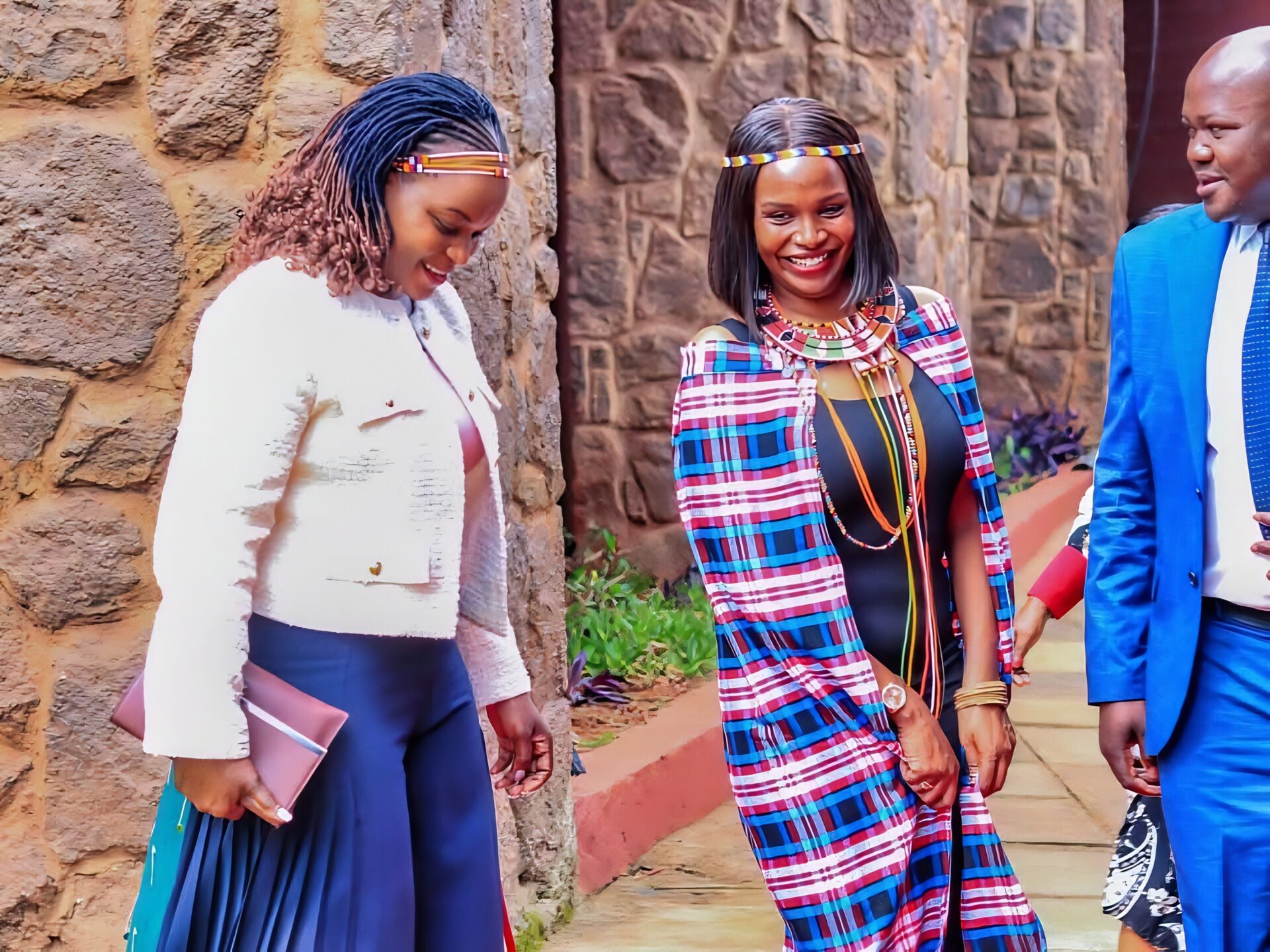
Several high-ranking government officials were in attendance at the International Minorities Rights Day celebration at the Bomas of Kenya, showcasing the nation’s commitment to diversity and inclusivity. Please find below a list of the distinguished participants:
Hon. CS Rebecca Miano, EGH, Cabinet Secretary for Tourism and Wildlife
Rebecca Miano, EGH, is currently serving as Cabinet Secretary for Tourism and Wildlife. She currently serves as the Hon. Rebecca Miano, EGH. She has a distinguished career, having previously been the Cabinet Secretary for Investments, Trade, and Industry. Before her appointment to the Cabinet, she held the position of Managing Director and CEO at KenGen, the largest electricity producer in East Africa. Prior to her appointment to the Cabinet, she held the position of Managing Director and CEO at KenGen.
The principal secretaries are as follows:
- Ms. Ummi Bashir is Principal Secretary at the State Department for Culture and Heritage. She is a cultural ambassador and strategic leader with a passion for preserving and promoting Kenya’s rich cultural heritage.
- Silvia Museiya, CBS (Wildlife), is Principal Secretary at the State Department for Wildlife. She possesses a diverse background, having served as a Member of the County Assembly in Nairobi and as an advocate for indigenous peoples’ rights.
- Dr. Abraham Korir Singoei is the Principal Secretary of Foreign Affairs in the Ministry of Foreign and Diaspora Affairs. He is an expert in international law and previously served as the senior legal advisor to the Deputy President of Kenya.
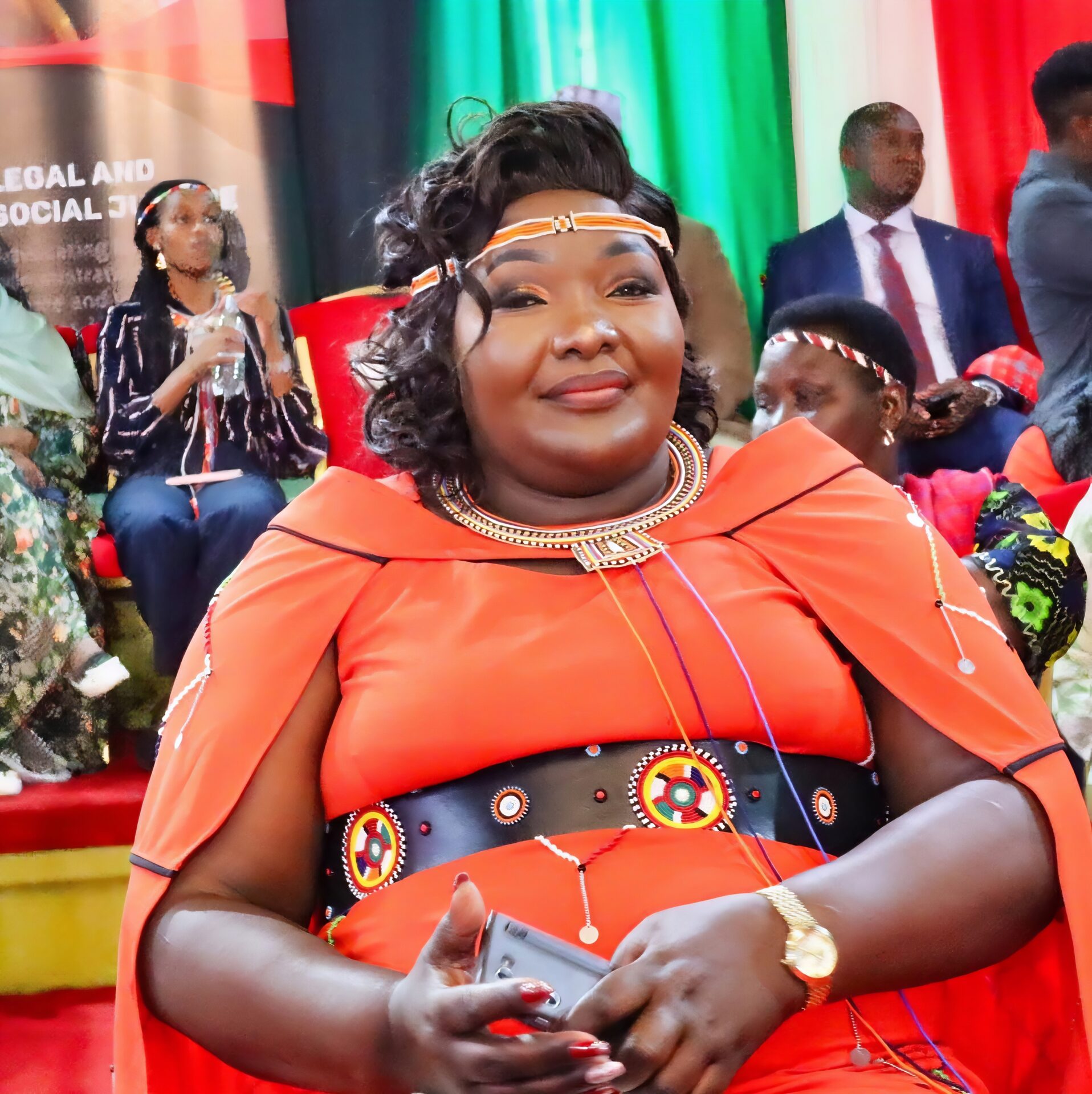
Hon. Jane Chebaibai is the Woman Representative for Elgeyo Marakwet.
The woman representative for Elgeyo Marakwet is Hon. Jane Chebaibai. She has been active in legislative work and community development, focusing on issues of national cohesion and equal opportunity.
The distinguished attendees of the event emphasised the significance of safeguarding minority rights and fostering inclusivity, thereby underscoring Kenya’s steadfast commitment to forging a fair and harmonious society.
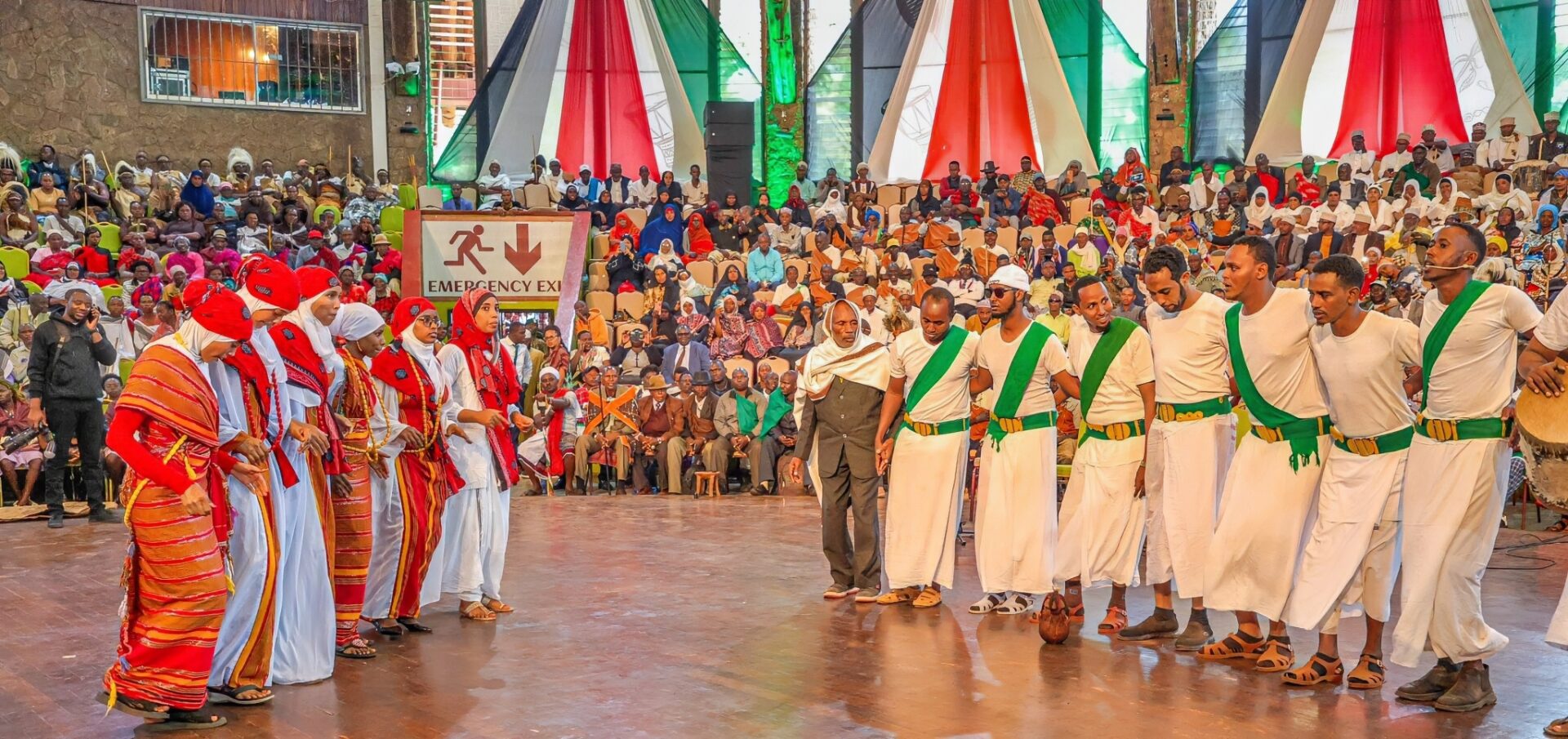
Emphasizing unity and inclusiveness.
The gathering at the Bomas emphasised the importance of unification in shaping the nation. Unity is fundamental in fostering a sense of belonging and mutual respect among diverse communities. By working together, diverse ethnic, religious, and cultural groups can achieve common objectives, ensuring the country’s progress and stability.
Cultural displays.
The event provided a platform for vibrant cultural exhibitions, showcasing the rich heritage of Kenya’s minority communities. These exhibitions included traditional artefacts, clothing, crafts, and displays that highlighted the unique cultural practices of various groups. These exhibitions included traditional artefacts, clothing, crafts, and displays. The exhibitions succeeded in reaching a broader audience, fostering understanding and appreciation of minority communities’ invaluable contributions to Kenya’s cultural landscape.
Traditional Dances
The traditional dance performances by various minority groups were a highlight of the event. These dances not only provided entertainment for the audience but also conveyed significant messages of unity and inclusivity. The dances highlighted the unique customs and traditions of the performing groups, emphasising the significance of safeguarding and honouring cultural diversity.
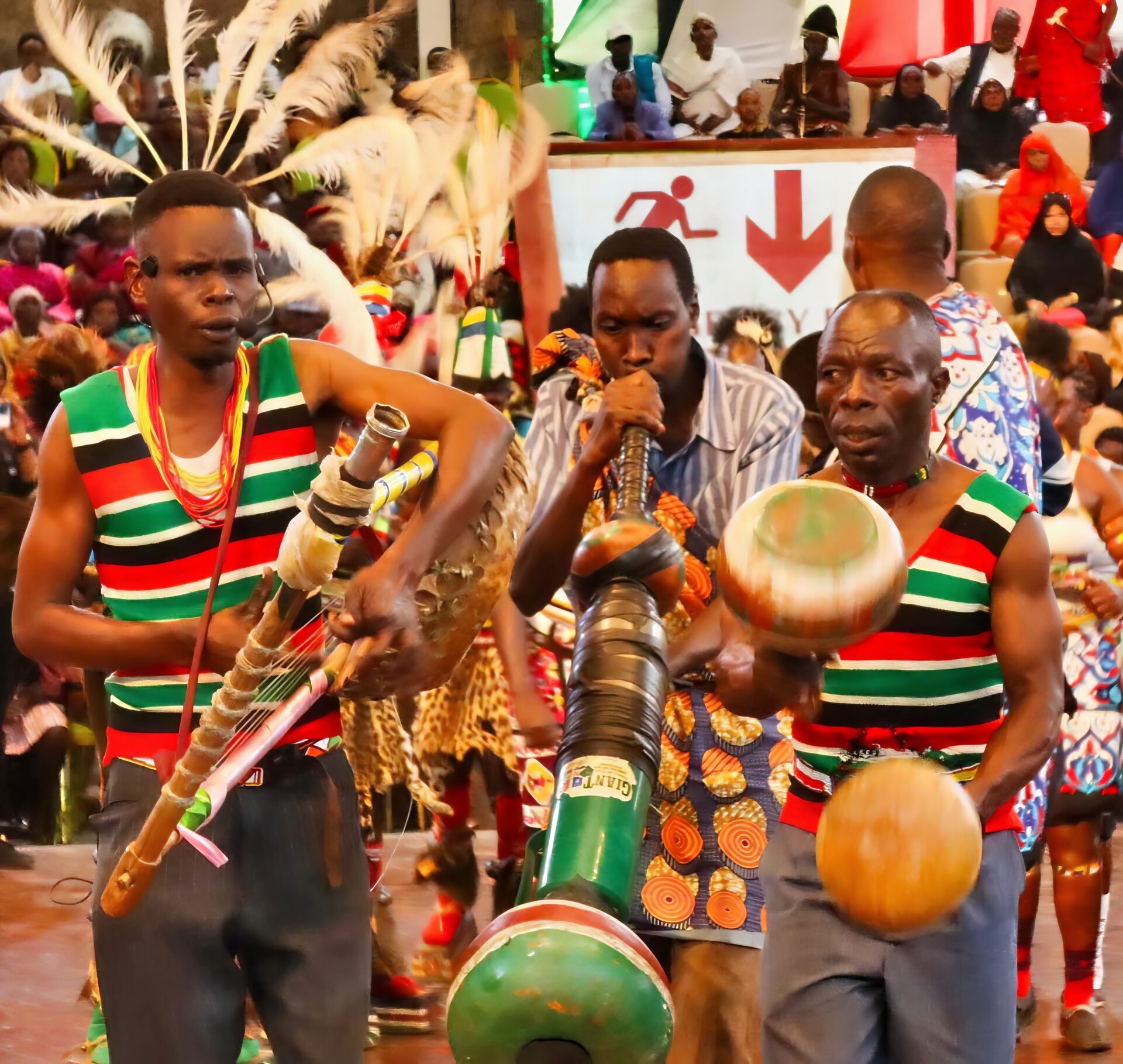
The performances demonstrated that different cultural expressions can coexist harmoniously, enriching the nation’s cultural fabric.
Relevance of inclusiveness.
During the meeting, inclusivity was a recurring theme, emphasising the collective responsibility to guarantee that all Kenyans, irrespective of their religious beliefs, cultural backgrounds or tribal affiliations, are treated with dignity and fairness. The promotion of equal opportunities and the addressing of any form of discrimination or marginalisation are integral components of inclusiveness. By fostering an inclusive environment, Kenya can foster a more cohesive and harmonious society, where all individuals are treated with respect and valued.
Collective Duty
The event emphasised the collective responsibility of all Kenyans in promoting unity and inclusivity. This necessitates active involvement in initiatives that support minority rights, promotion of policies that encourage equality, and facilitation of dialogue to address cultural and social divisions. By working together, Kenyans can build a society that celebrates diversity and provides every individual with the opportunity to thrive.
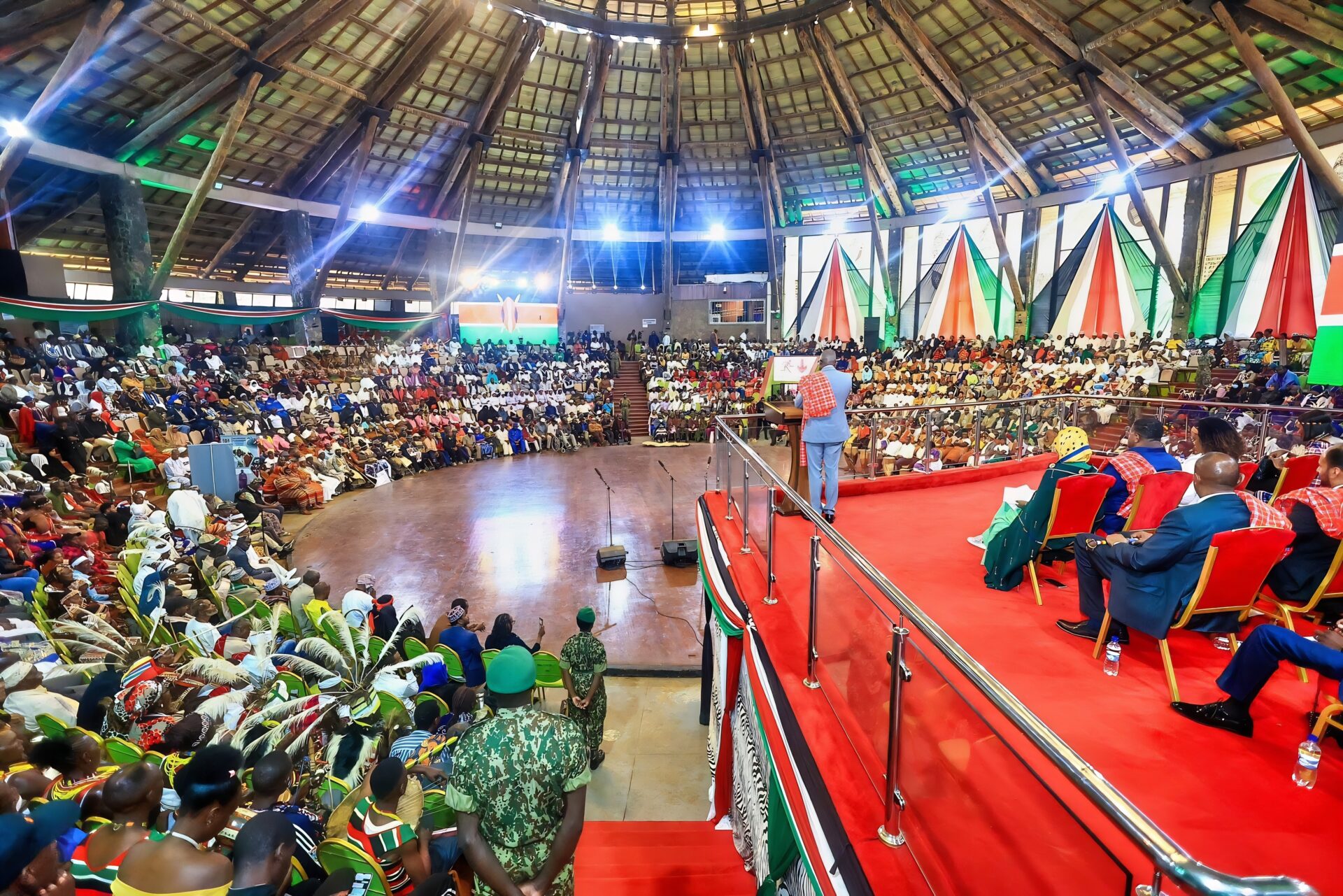
The gathering at the Bomas of Kenya emphasised the pivotal role of unity and inclusivity in shaping the nation’s future. The event featured cultural exhibitions, traditional dances, and a focus on collective responsibility, reinforcing the message that everyone, regardless of background, plays a vital role in building a just and harmonious society.
Commitment to Minority Rights
The annual celebration of Minority Rights Day on 18 December serves as a poignant reminder of Kenya’s unwavering commitment to promoting and protecting the rights of all its citizens, regardless of their racial, religious or linguistic background. The day commemorates the adoption of the United Nations Declaration on the Rights of Persons Belonging to National or Ethnic, Religious and Linguistic Minorities in 1992, and highlights the importance of protecting the rights of minorities around the world.
Promoting Inclusivity and Equality
Kenya’s celebration of Minority Rights Day underscores the country’s commitment to fostering a more diverse and equitable society. The occasion underscores the importance of sustained efforts to ensure that minority communities are treated with respect and equity. By promoting inclusiveness, Kenya seeks to create an environment where every individual, regardless of background, has equal opportunities to thrive and contribute to the nation’s progress.
Government Initiatives
Various initiatives have been taken by the Kenyan government to protect and promote minority communities. Among these are:
- Legislation and policies protect the rights of minorities and prevent discrimination.
- Raising awareness of minority rights through educational campaigns and programmes.
- Community engagement involves encouraging dialogue and cooperation between different communities to promote mutual respect and understanding.
Role of Civil Society
Civil society organisations play a crucial role in advocating for minority rights and promoting inclusion. These organisations work to ensure that the voices of minority communities are heard and that their rights are protected.
They provide support and resources to minority groups, helping them to overcome challenges and access opportunities.
Celebrating Diversity
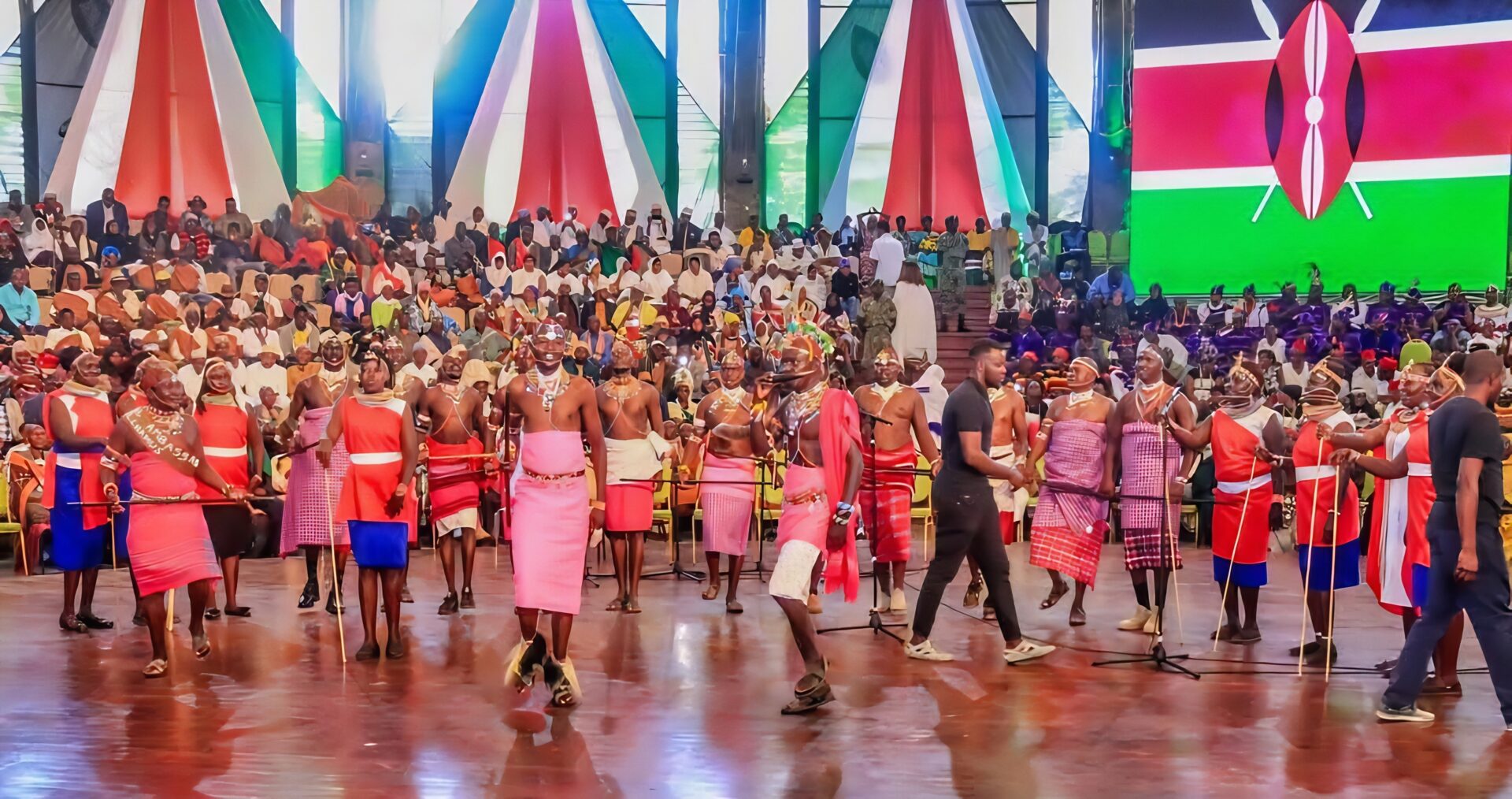
The celebration of Minority Rights Day at the Bomas of Kenya included vibrant cultural displays and traditional dances highlighting the rich heritage of Kenya’s minority communities. Diversity and the collective duty to honour and preserve the unique traditions and practices of all communities were emphasised through these cultural displays. By showcasing diversity, Kenya emphasises the importance of each individual’s cultural heritage and its role in shaping the nation’s identity.
Future Goals
Ensuring that full participation in governance is ensured.
Kenya has made significant progress in promoting minority rights, but there is still much work to be done to ensure full participation of minorities in governance. This requires:
- The objective is to enhance the participation of minority groups in political and decision-making processes. Achieving this objective can be realised through the implementation of affirmative action policies, which ensure the representation and consideration of minority voices in governance.
- Training and resources are provided to minority groups with a view to enhancing their leadership abilities and empowering them to assume governance roles.
- Inclusive policies are those which promote inclusivity and address the specific needs and challenges faced by minority communities.
Economic inclusion is socio-economic
Socio-economic inclusion for minority communities is another important goal. This requires:
- It is vital that minority communities have equal access to quality education. This should include the provision of scholarships, the construction of new schools and the promotion of inclusive curricula that reflect the diverse cultural heritage of Kenya.
- Economic opportunities for minority communities are created through targeted programmes and initiatives. This includes facilitating access to credit, providing vocational training, and offering support for small and medium-sized enterprises within minority communities.
- Improving access to healthcare services for minority communities is a key objective. This could include the construction of healthcare facilities in remote areas, the training of healthcare workers from minority communities, and the addressing of specific health challenges faced by these communities.
There are ongoing efforts.
The event reinforced the ongoing efforts needed to achieve these goals. This comprises:
- Collaboration is encouraged between government, civil society, and minority communities to develop and implement effective strategies for promoting minority rights and inclusion.
- Establishing mechanisms to monitor and evaluate the progress of initiatives aimed at advancing minority rights and inclusion. This includes collecting data, conducting regular assessments, and making necessary adjustments to ensure the effectiveness of these initiatives, as well as conducting regular assessments.
- Awareness campaigns raise awareness about the importance of minority rights and inclusion through public campaigns, educational programs and community engagement activities.
Kenya can build on its progress and work towards a more inclusive and equitable society where every citizen has the opportunity to participate fully in governance and socio-economic activities by continuing these efforts.
Conclusion: Kenya celebrates diversity and inclusion.
The International Minorities Rights Day celebration held at the Bomas of Kenya served as a potent illustration of the country’s unwavering commitment to diversity and inclusivity. Minority communities were honoured for their invaluable contributions, and unity was emphasised in shaping a just and harmonious society.
The event honoured the significant contributions of minority communities, including the Kuria, Ogiek, and Boni, who play a crucial role in enriching Kenya’s cultural heritage. Their unique traditions, practices, and knowledge are essential in preserving Kenya’s cultural landscape’s rich tapestry. The event also underscored the significance of diversity and inclusivity in shaping Kenya’s cultural heritage.
The event emphasised the importance of unity in fostering a prosperous and harmonious society. Vibrant cultural exhibitions and traditional dances are used to stress the collective duty to ensure that every Kenyan, regardless of religion, culture or tribe, is treated with dignity and fairness. Inclusivity is defined by the recognition and valuation of the contributions of all communities, the provision of equal opportunities, and the addressing of any form of discrimination.
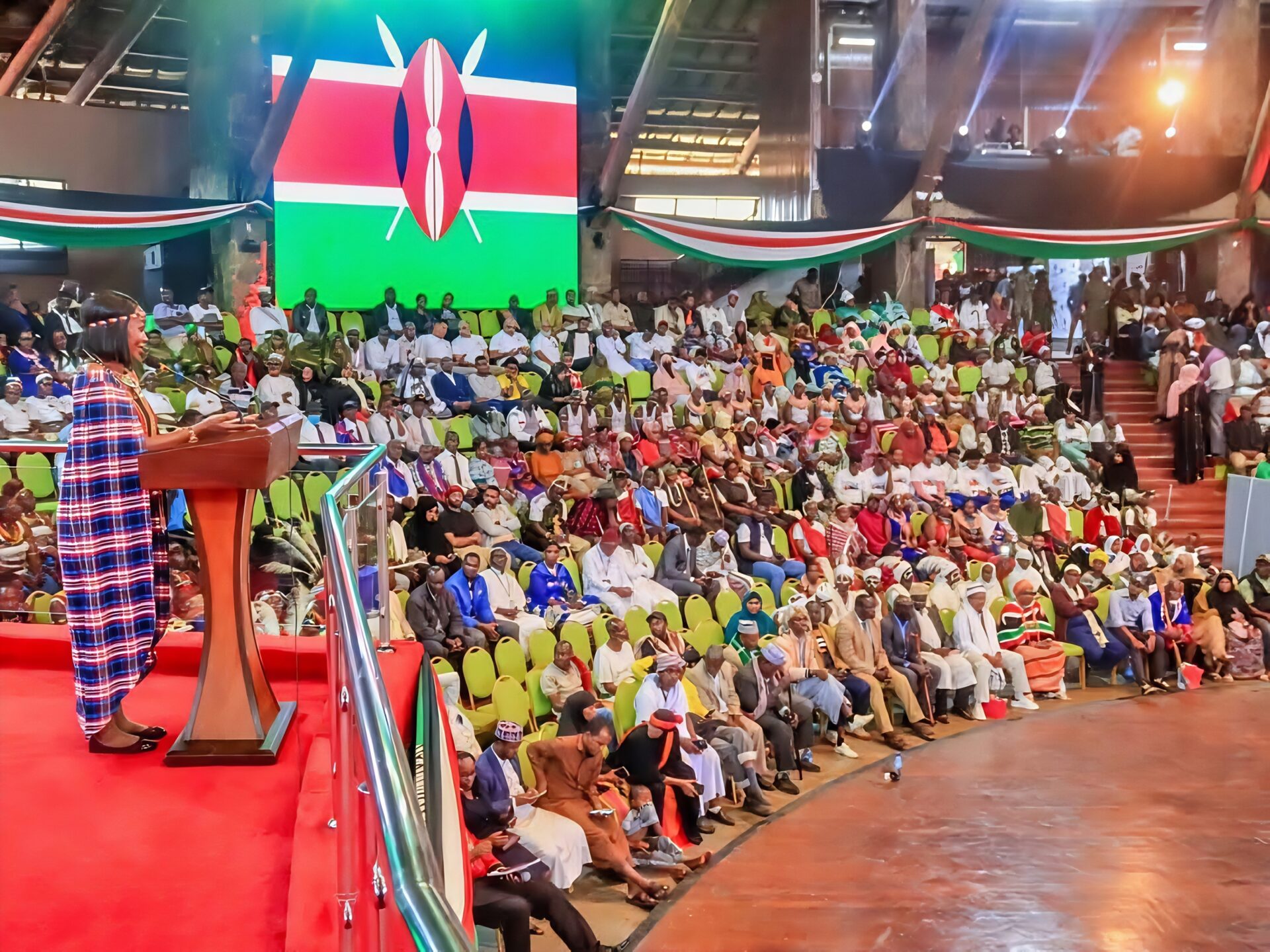
In solidarity with minority rights, Kenya’s commitment to promoting and protecting the rights of all its citizens is a powerful reminder of Minorities Rights Day. The event at the Bomas of Kenya served to reinforce Kenya’s dedication to fostering a more inclusive and equitable society. By safeguarding the rights of minorities, Kenya aims to foster a harmonious and cohesive community where all individuals, irrespective of their background, can thrive.
Outline of plans for the future
Kenya has made progress in promoting minority rights, but much remains to be done to ensure the full participation of minorities in governance and their socio-economic inclusion. The event highlighted the ongoing efforts required to achieve these goals, including increasing representation, providing economic opportunities, and improving access to education and healthcare for minority communities.
Kenya is committed to building a cohesive and harmonious society that celebrates and respects its diverse cultural landscape, and will continue to make constant efforts and collaborate to achieve this goal. Kenya is committed to creating a just and equitable society for all of its citizens by honouring the contributions of minority communities and promoting unity and inclusivity.
Abbas J

RELATED PUBLICATIONS:
 Exploring the Maa Cultural Heritage: A Glimpse into the Samburu National Reserve Festival
 A Grand Celebration of Independence: 61st Jamhuri Day in Narok County
 Meru County Staff Choir: Triumph at the 97th Kenya Music & Cultural Festival
 A Spirited Celebration of Leadership and Unity: A Day with the Pokomo Community
 Kenyan MPs Advocate for Diaspora Engagement: Policy Shifts in the National Assembly
 Kenya at a Crossroads: People Power Revolution in the Making
 Healthcare and Land Ownership: Machakos County’s Promise of Progress
 Strengthening Kenya-China Collaboration: The Luban Workshop at Machakos University