
Teachers’ Hardship Allowance Safeguards: Labour Rights Advocacy in Kenya’s National Assembly
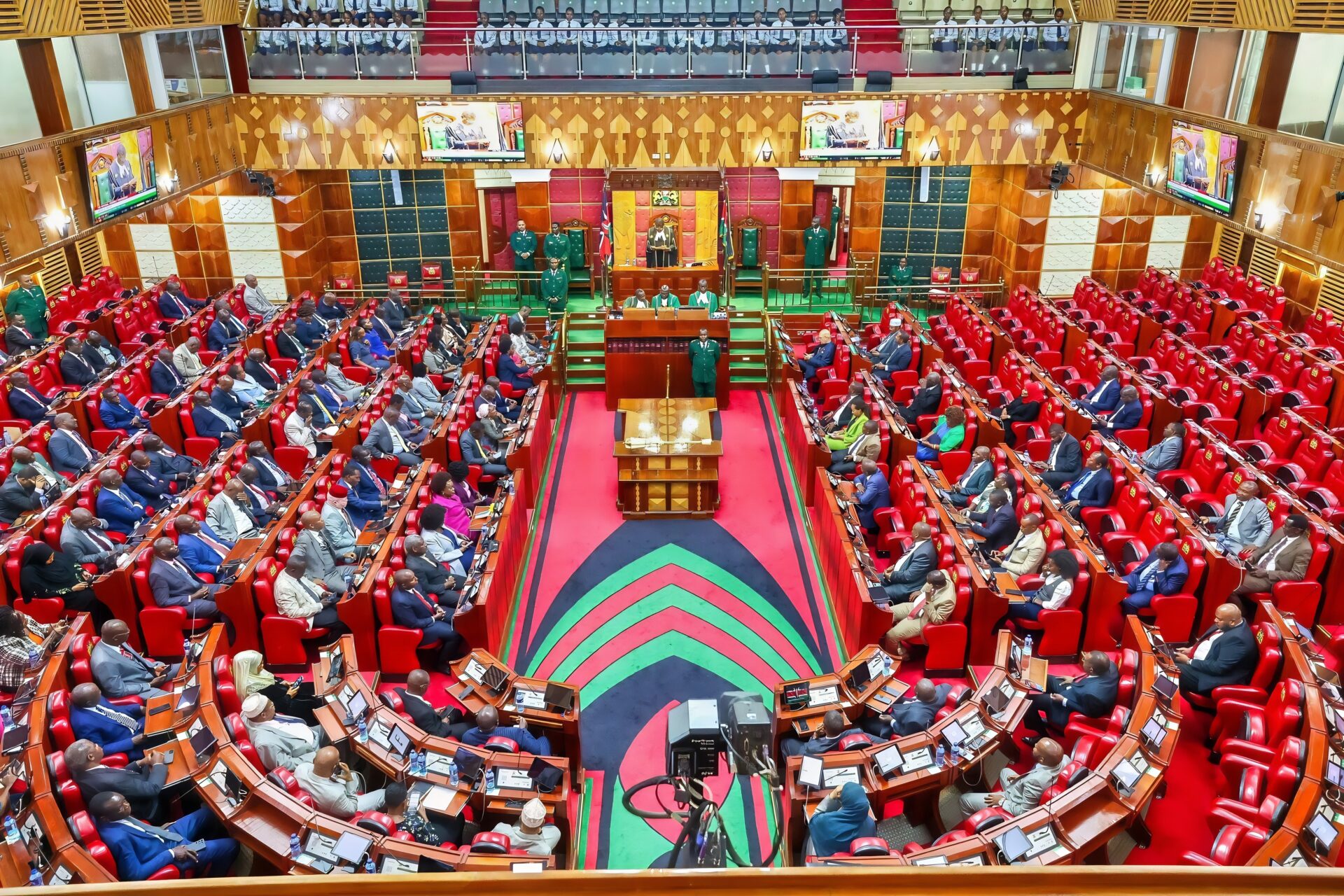
On 30th April 2025, the Kenya National Assembly convened for a session that underscored the complexities and aspirations of modern governance. From debates on critical legislative reforms to discussions about pressing social and economic issues, the day’s proceedings offered a comprehensive glimpse into the nation’s priorities. Members of Parliament tackled diverse topics, including the implementation of the Social Protection Bill, transparency in parliamentary broadcasting, infrastructure development projects like the Namanga Interchange, and measures to safeguard Kenyans abroad through robust labour migration policies.
The debates also highlighted the importance of equitable funding models for education, the need for systemic reforms in energy sector liberalisation, and efforts to address public concerns about taxation changes under the Finance Bill. Notably, calls for accountability—such as those surrounding the Central Bank nominees’ vetting process and updates on initiatives like the Diaspora Engagement Policy —reflected a commitment to fostering trust between citizens and their leaders.
This article delves into these discussions, providing an in-depth analysis of the challenges, opportunities, and forward-thinking strategies shaping Kenya’s path toward sustainable development. By exploring both the procedural details and broader implications, readers will gain valuable insights into how legislative actions are paving the way for transformative change across the country. Whether you’re interested in understanding policy impacts or seeking clarity on contentious national issues, this report serves as a vital resource for navigating Kenya’s evolving political and socio-economic landscape.

Setting the Stage: Understanding the Significance of the National Assembly as a Cornerstone of Kenya’s Legislative Process
In the heart of Kenya’s governance architecture lies the National Assembly, an institution that serves not merely as a venue for debate, but as the very foundation upon which democracy stands firm. Much like the African adage, “A tree does not grow without roots,” the National Assembly embodies the deep-rooted principles of representation, accountability, and legislative authority that sustain the nation’s democratic ideals. Without these sturdy “roots” firmly planted in the soil of public trust, no system of governance could flourish or endure.
The National Assembly is more than just a chamber where laws are made; it is the epicentre of civic engagement, where voices from every corner of Kenya—from bustling Nairobi estates to remote Samburu villages—are heard, debated, and translated into action (or inaction). It is here that elected representatives deliberate on matters ranging from infrastructure development projects in rural constituencies to international treaties shaping Kenya’s role on the global stage. Every motion passed, every bill debated, and every question posed carries with it the weight of millions who look to their leaders for progress and justice.
In the Kenyan context, this significance takes on added importance given the country’s history and aspirations. Following decades marked by struggles over political power and resource allocation, the 2010 Constitution sought to redefine how power is exercised by decentralising responsibilities through devolution while strengthening institutions such as the National Assembly. As one of two houses within Kenya’s bicameral legislature (the other being the Senate), the National Assembly holds specific powers—including approving budgets, vetting presidential appointees, and initiating legislation—that underscore its centrality in ensuring checks and balances within government operations.
Consider, for instance, the events of Wednesday, 30th April 2025, when Members of Parliament convened under the watchful eyes of citizens across the Republic. The day began with procedural formalities—papers laid on the table, quorum checks—but soon evolved into discussions that reflected both local concerns and broader national ambitions. From safeguarding teachers’ hardship allowances to addressing the plight of Kenyans stranded abroad, each agenda item symbolised the intricate web connecting individual lives to collective policymaking.
Yet, understanding the significance of the National Assembly goes beyond appreciating its constitutional mandate. It also requires recognising the human element embedded within its walls—the MPs themselves, who often walk a tightrope balancing constituency interests against national priorities. For many Kenyans, the effectiveness of their representative can feel akin to another popular saying: “When elephants fight, it is the grass that suffers.” When debates turn acrimonious or decisions seem delayed, ordinary citizens bear the brunt. Conversely, when consensus is reached and meaningful laws enacted, the benefits ripple outward, touching schools, hospitals, markets, and homes nationwide.

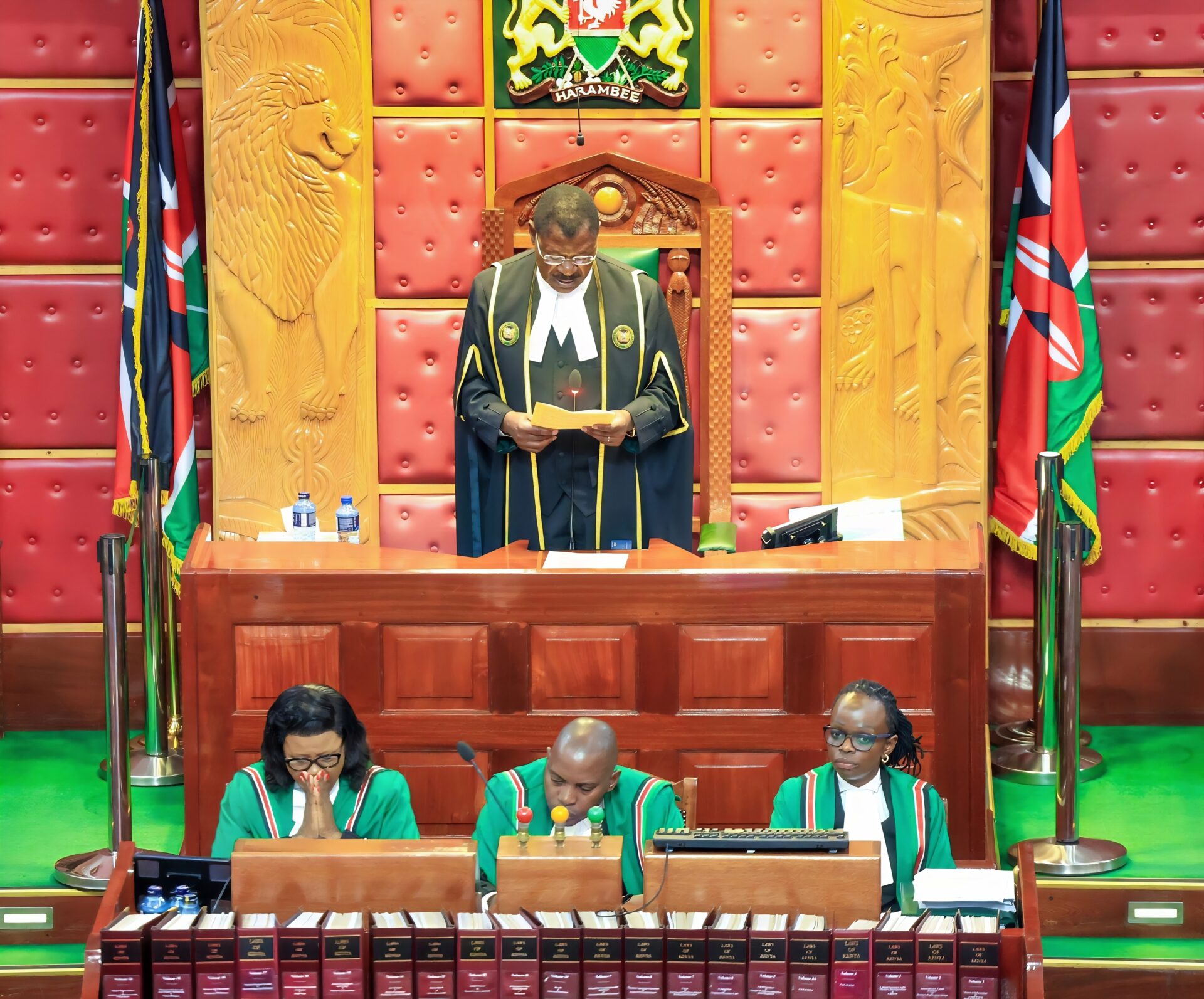
Ultimately, the National Assembly represents the bridge between the governed and those entrusted with governing—a space where dreams of prosperity meet the realities of implementation. Its proceedings are not mere formalities but vital acts of stewardship, ensuring that Kenya continues moving forward along the path envisioned in documents like Vision 2030 and the Constitution itself. Like a tree drawing sustenance from its roots, so too does Kenya’s future depend on the strength and integrity of this cornerstone institution. And as long as its branches reach skyward towards progress, its roots must remain deeply entrenched in service to the people.
Quorum Challenges: The Initial Struggle to Achieve Quorum Highlights the Logistical Hurdles Faced by Modern Parliaments
In the hallowed halls of Kenya’s National Assembly, the adage “A journey of a thousand miles begins with a single step” rings particularly true—but what happens when that first step is delayed? On 30th April 2025, the proceedings in Parliament were momentarily stalled due to an age-old challenge: achieving quorum. This struggle underscores not only the logistical hurdles faced by modern parliaments but also serves as a poignant reminder of the delicate balance between democratic ideals and practical realities.
For those unfamiliar with parliamentary procedures, a quorum refers to the minimum number of members required to be present for official business to commence. In Kenya’s context, this means at least one-third of elected Members of Parliament must be physically present or accounted for before debates can proceed. It sounds straightforward on paper, yet the reality often proves far more complex. As witnessed during this session, the absence of key figures forced Hon. Millie Odhiambo-Mabona, the Chief Whip of the Minority Party, to raise concerns about whether there was a sufficient quorum to continue deliberations—a scenario familiar to many legislative bodies worldwide.
The challenge of securing a quorum is emblematic of broader issues within contemporary governance systems. For starters, it highlights the competing demands placed upon legislators. In Kenya, Members of Parliament are expected to juggle their duties in Nairobi with responsibilities back in their constituencies. Whether addressing infrastructure projects in remote areas like Turkana or mediating local disputes over land ownership in Nyeri, MPs often find themselves stretched thin. Consequently, attending every sitting becomes a Herculean task, akin to “trying to catch two birds with one stone.”
Moreover, the issue of quorum speaks volumes about institutional discipline—or lack thereof. When senior members fail to show up without valid reasons, it sends a troubling message about commitment levels within the House. Consider the humorous yet telling remark made by Hon. Farah Maalim, who quipped that “we cannot have joyriders if the owner of the question is satisfied.” His comment encapsulated both frustration and irony; while some members eagerly participate in discussions merely for visibility, others remain conspicuously absent when needed most.
Beyond individual accountability lies another layer of complexity: technological advancements versus traditional practices. While electronic voting systems and virtual participation tools could theoretically ease logistical burdens, implementation remains patchy. Some MPs might argue that adopting such innovations would dilute the essence of face-to-face engagement—an integral aspect of parliamentary culture. However, clinging too tightly to tradition risks alienating younger generations, who expect efficiency akin to digital platforms they use daily. Thus, finding equilibrium between preserving heritage and embracing progress mirrors the proverbial tightrope walk: “You cannot make an omelette without breaking eggs.”
Yet, despite these challenges, moments like the quorum delay on 30th April 2025 offer valuable lessons. They underscore the importance of leadership in steering collective action towards common goals. When Hon. Peter Kaluma invoked Article 27 of the Constitution regarding non-discrimination based on language, he reminded everyone that inclusivity strengthens institutions rather than weakens them. Similarly, when Hon. Musalia Mudavadi assured the House of proactive measures to safeguard Kenyans abroad, his words resonated beyond mere policy—they signified hope amidst adversity.
Ultimately, overcoming quorum challenges requires a blend of pragmatism and idealism. Just as no tree grows overnight, neither does effective governance emerge fully formed. Each hurdle surmounted contributes to building stronger roots for future growth. By learning from past missteps and adapting strategies accordingly, Kenya’s National Assembly can transform initial struggles into stepping stones toward greater resilience and unity. After all, even the longest journey begins with taking that crucial first step—together.
Papers Laid on the Table: A Glimpse into the Administrative Tasks, Such as Tabling Papers, Which Form the Backbone of Parliamentary Proceedings
In the intricate dance of democracy, it is often said that “the devil is in the details.” Nowhere is this truer than in Kenya’s National Assembly, where the seemingly mundane act of laying papers on the table serves as a cornerstone of legislative efficiency and transparency. These administrative tasks may lack the glamour of fiery debates or dramatic votes, but they are no less vital to the smooth functioning of parliamentary proceedings. Indeed, without these foundational processes, even the most eloquent speeches would remain mere words, unanchored by action.
On 30th April 2025, the importance of tabling documents became evident as Members of Parliament engaged in their routine yet indispensable duties. From budget estimates to policy statements, each paper laid before the House carried significant implications for governance and public accountability. For instance, Hon. Silvanus Osoro, representing South Mugirango, presented critical documents detailing the National Executive Budget Estimates for 2025/2026, alongside accompanying reports such as the Programme Performance Budget (PBB) Report and Recurrent Development Estimates. These documents provide a roadmap for government spending and offer citizens a window into how resources will be allocated—a crucial aspect of democratic oversight.
Tabling papers is more than just an exercise in bureaucracy; it symbolises the principle of openness enshrined in Kenya’s 2010 Constitution. By requiring ministers and committees to formally submit reports, proposals, and agreements for scrutiny, Parliament ensures that decisions affecting millions are made transparently and with due diligence. This practice echoes the African proverb, “What is hidden cannot shine,” reminding us that true progress requires visibility and collective effort.
Consider the example of Hon. Patrick Makau from Mavoko, who tabled projections for recurrent and development expenditure within the Parliamentary Service for the year ending June 2026. While such figures might seem abstract to some, they represent tangible commitments—funding allocations that determine whether roads are built, schools are staffed, and healthcare services are accessible. Each figure tells a story about priorities and trade-offs, underscoring the need for meticulous record-keeping and public dissemination.
Moreover, the act of laying papers often ignites broader discussions, highlighting emerging issues or unresolved challenges. On this particular day, questions arose regarding pending matters like the delayed disbursement of funds under the National Government Constituencies Development Fund (NG-CDF). Hon. Millie Odhiambo-Mabona raised concerns about what appeared to be a pattern of postponement, questioning whether technical hitches cited by officials were legitimate obstacles or thinly veiled excuses. Her intervention illustrated how procedural formalities can serve as catalysts for deeper inquiry, ensuring that no stone remains unturned in pursuit of accountability.
The significance of tabling extends beyond domestic affairs. International treaties and agreements, too, must pass through this rigorous process. During the session, updates were provided on Kenya’s ratification of key regional frameworks, including those linked to the Inter-Governmental Authority on Development (IGAD). These documents reflect the nation’s commitment to fostering peace, stability, and economic growth across borders. However, they also demand careful examination to ensure alignment with national interests—a task made possible only through structured administrative protocols.
Yet, while tabling papers facilitates transparency, it also reveals systemic vulnerabilities. Delays, inconsistencies, or outright omissions can undermine trust between legislators and constituents. As Hon. Peter Kaluma aptly noted during one exchange, actions have consequences—not just politically but socially and economically. When documents fail to materialise as promised, it sends ripples of doubt throughout society, eroding faith in institutions meant to serve the people.
Thus, the adage “a chain is only as strong as its weakest link” resonates deeply here. Each document laid on the table represents a link connecting lawmakers to the communities they represent. Whether addressing localised concerns, such as infrastructure projects in Namanga, or global aspirations embodied in Vision 2030, every item demands attention to detail and adherence to timelines. Failure at any stage risks disrupting the entire chain, leaving citizens disconnected from the very processes designed to empower them.
Ultimately, the ritual of tabling papers embodies both the practicality and symbolism inherent in parliamentary work. It reminds us that governance is neither abstract nor detached—it thrives on precision, collaboration, and integrity. Like building a house brick by brick, progress depends on laying solid foundations. And so, as MPs continue to place documents before the House, they reaffirm their duty to uphold the principles of democracy, ensuring that what begins as a simple act culminates in meaningful change for all Kenyans. After all, even the grandest edifice starts with laying the first stone.
Health Committee Updates: Insights Shared by Hon. Dr James Nyikal Regarding Pending Reports and Their Implications for Public Health Policies
In the realm of governance, as in life itself, “a stitch in time saves nine.” This timeless adage underscores the importance of addressing issues promptly before they escalate into larger problems. On 30th April 2025, during the National Assembly debates, Hon. Dr James Nyikal (Seme, ODM), Chairperson of the Departmental Committee on Health, provided critical insights into pending reports that hold significant implications for Kenya’s public health policies. His contributions shed light on current challenges and highlighted the urgent need for timely action to safeguard the well-being of millions.
As the custodian of legislative oversight over health matters, the Departmental Committee on Health plays a pivotal role in shaping policies that affect every Kenyan household. During his remarks, Hon. Dr Nyikal laid several papers on the table, including reports on two key Bills: The Kenya Institute of Primate Research Bill (National Assembly Bill No. 52 of 2024) and The Maternal, Newborn and Child Health Bill (Senate Bill No. 17 of 2023). These documents, though technical in nature, represent far more than bureaucratic formalities—they are blueprints for improving healthcare delivery and advancing medical research in Kenya.
Take, for instance, the Kenya Institute of Primate Research Bill. While its focus may seem niche, the establishment of such an institute could revolutionise biomedical research in the country. Primates have long been integral to understanding human diseases and developing treatments. By creating a dedicated institution to oversee ethical primate research, Kenya positions itself at the forefront of scientific innovation while ensuring compliance with global standards. However, delays in finalising this Bill risk stalling progress—a reminder that failing to act swiftly can hinder opportunities for growth, much like ignoring a small tear in fabric allows it to unravel further.
Similarly, the Maternal, Newborn and Child Health Bill carries profound significance. In a nation where maternal mortality rates remain stubbornly high and access to quality prenatal care is unevenly distributed, this legislation seeks to address systemic gaps. Hon. Dr Nyikal’s update suggested that the committee had carefully deliberated on the Bill, yet its implementation hinges on timely approval. As the saying goes, “delay defeats equity,” and prolonged indecision risks perpetuating disparities in maternal and child health outcomes across urban and rural areas alike.
Beyond these legislative updates, Hon. Dr Nyikal also touched upon broader concerns affecting public health policy. One notable example was the exclusion of Kenya Medical Training College (KMTC) students from Higher Education Loans Board (HELB) funding. When queried about this matter, he acknowledged the complexity of the issue, noting that coordination between the Departmental Committees on Health and Education was ongoing. While awaiting a comprehensive report, he assured stakeholders of the committee’s commitment to resolving the matter within two weeks after resumption from recess.
This collaborative approach reflects another adage: “If you want to go fast, go alone; if you want to go far, go together.” Addressing multifaceted challenges like education financing for aspiring healthcare professionals requires synergy among various arms of government. Without adequate support for KMTC students, Kenya risks undermining its efforts to build a robust healthcare workforce—a cornerstone of universal health coverage.
Moreover, Hon. Dr Nyikal raised pertinent questions about the preservation of teachers’ hardship allowances, which are enshrined in collective bargaining agreements (CBAs). He expressed concern that any attempt to rescind these benefits could destabilise the teaching profession, particularly in underserved regions. Teachers serve as frontline workers in promoting community health literacy, making their welfare inseparable from broader public health goals. Here again, the principle of proactive intervention applies: protecting teachers’ rights today ensures a healthier society tomorrow.
Throughout his presentation, Hon. Dr Nyikal demonstrated a keen awareness of how interconnected health policies are with other sectors. For instance, discussions about reproductive technology and assisted conception—topics addressed through the Reproductive Technology Bill (National Assembly Bill No. 61 of 2022)—highlight the evolving needs of modern families. Yet, harmonising this Bill with existing laws demands careful deliberation. Rushing the process might lead to unintended consequences, just as neglecting it entirely would deny countless individuals access to transformative medical technologies.
Ultimately, Hon. Dr Nyikal’s updates served as a clarion call for vigilance and collaboration. The pending reports he referenced are not mere administrative tasks waiting to be ticked off a list; they are milestones on Kenya’s journey toward equitable, sustainable healthcare. Each delay or unresolved question represents a missed opportunity to mend the fabric of public health systems before they fray beyond repair.
To borrow one final adage, “health is wealth.” By prioritising timely action and fostering cooperation among stakeholders, Kenya’s National Assembly has the power to weave a stronger safety net for all its citizens. Let us hope that the lessons of 30th April 2025 inspire continued diligence, ensuring that no thread is left loose in the tapestry of national well-being.
Recess Period Utilisation: How Recess Periods Serve as Opportunities for Committees to Expedite Pending Business, Ensuring Continuity in Governance
In the realm of governance, as the old African adage goes, “If you close your eyes to facts, you cannot find the truth.” This wisdom holds particularly true during recess periods in Kenya’s National Assembly. While some may view parliamentary breaks as mere pauses or holidays, they are, in fact, critical junctures that enable committees to address pending business with greater focus and efficiency. Far from being idle interludes, these recesses provide opportunities to expedite legislative and oversight functions—ensuring continuity in governance even when the main chamber is not in session.
On 30th April 2025, as Members of Parliament prepared to adjourn for a three-week recess, it became evident that this period would not be one of rest but rather an extended working session aimed at addressing unresolved matters. The House Business Committee had already outlined its expectations: committees were tasked with utilising the recess to consider budget estimates, review pending reports, and deliberate on crucial policy issues. As Hon. Kimani Ichung’wah noted, many committees would convene during this time to ensure that vital legislative processes remained on track—a testament to the principle that good governance waits for no one.
Recess periods serve multiple purposes beyond simply breaking up the parliamentary calendar. For starters, they allow committees to delve deeper into complex topics without the constraints of plenary sittings. Consider the Departmental Committee on Health, chaired by Hon. Dr James Nyikal. With several Bills awaiting approval—including the Kenya Institute of Primate Research Bill and the Maternal, Newborn and Child Health Bill—the recess offered committee members uninterrupted time to scrutinise proposals thoroughly. Such attention to detail ensures that legislation is robust enough to withstand implementation challenges once enacted. As the saying goes, “A well-laid foundation supports a sturdy house,” and thorough preparation lays the groundwork for effective policies.
Moreover, recess provides breathing room for cross-committee collaboration—a necessity given the interconnected nature of modern governance. For instance, resolving the issue of Higher Education Loans Board (HELB) funding exclusions for Kenya Medical Training College (KMTC) students required coordination between the Departmental Committees on Health and Education. By dedicating focused time during the recess, these committees could align their efforts and present cohesive recommendations upon resumption. This collaborative spirit reflects another adage: “Unity is strength; division is weakness.”
Another notable example came from discussions surrounding infrastructure projects under the Kenya Rural Roads Authority (KeRRA). Concerns about delayed disbursements prompted calls for immediate action before funds expired at the end of the financial year. During recess, relevant committees could engage directly with stakeholders, including contractors and government agencies, to devise practical solutions. These engagements underscored the importance of proactive measures, echoing the proverbial advice: “Do not dig tomorrow’s well today if you thirst now.”
However, the utility of recess extends beyond administrative tasks—it also fosters innovation and strategic planning. Take, for example, initiatives like the Diaspora Placement Agency launched in 2023 to support Kenyans seeking employment abroad. While such programmes reflect forward-thinking approaches to labour migration, implementing them requires careful deliberation. Committees responsible for foreign affairs and labour could use the recess to explore how best to align domestic skills development with global market demands. Here again, foresight proves invaluable: “Prepare thy tools before thou needest them.”
Despite these advantages, there remains a delicate balance between productivity and overburdening legislators. Some MPs might argue that recess should offer much-needed respite after gruelling sessions. Yet, experience shows that neglecting pending business risks creating bottlenecks later. To quote yet another adage: “Work expands so as to fill the time available for its completion.” By setting clear deadlines—for instance, requiring comprehensive responses within two weeks after resumption—committees can maintain momentum without overwhelming themselves.
Ultimately, recess periods embody both responsibility and opportunity. They remind us that governance is not confined to formal settings; it thrives wherever diligence meets dedication. Whether reviewing draft regulations on energy tariffs, interrogating cases involving distressed Kenyans overseas, or developing frameworks for teacher recruitment, each task contributes to building a more equitable society.
As Kenya continues striving towards Vision 2030 goals, let us remember that success hinges on consistent effort, even during quieter times. Just as farmers tend their fields daily regardless of season, so too must lawmakers nurture democracy continuously. Thus, recess serves not as a pause button but as a reset—one that refreshes minds while advancing shared aspirations. After all, “a journey begun is half completed,” and every step taken during recess brings Kenya closer to realising her full potential.
Electoral Reforms: Discussions about Facilitating Voting Rights for Kenyans Abroad Reflect Efforts to Strengthen Democratic Inclusivity
In the vibrant tapestry of democracy, “a tree is known by its fruit, and a man by his actions.” This adage resonates deeply in Kenya’s ongoing discussions about electoral reforms, particularly those aimed at facilitating voting rights for Kenyans living abroad. These efforts are not merely procedural adjustments, but profound reflections of a nation striving to strengthen democratic inclusivity and ensure that every voice—whether at home or overseas—is heard.
On 30th April 2025, during the National Assembly debates, it became evident that Kenya’s commitment to expanding voting rights was gaining momentum. The State Department for Diaspora Affairs revealed progressive steps being taken to enable Kenyans abroad to participate in national elections—an initiative described as part of the broader push towards technological advancement and civic empowerment. As Prime Cabinet Secretary, Hon. Musalia Mudavadi noted, “We have been progressively facilitating Kenyans abroad to also exercise their democratic right of voting when the election cycle is due.” This statement underscores the belief that true democracy thrives only when all citizens, regardless of geographical location, can actively engage in shaping their collective future.
The decision to extend voting privileges to Kenyans residing overseas aligns with global best practices and reflects an understanding that modern migration patterns necessitate adaptive governance. With millions of Kenyans scattered across continents—from bustling cities in Europe to thriving communities in North America—their contributions to the economy through remittances alone underscore their importance to the nation. However, economic ties are not enough; political inclusion ensures these individuals remain invested in Kenya’s trajectory. By granting them the ability to vote, the government acknowledges that “you cannot clap with one hand” —meaning, sustainable progress requires participation from all segments of society.
Yet, while the intent behind these reforms is commendable, challenges abound. One recurring concern centres on logistical feasibility. Organising polling stations abroad demands meticulous planning, robust infrastructure, and significant financial resources. Questions arise: How will embassies manage voter registration? What mechanisms will be put in place to prevent fraud or disenfranchisement? Addressing these queries requires innovative solutions, such as leveraging digital platforms like e-Citizen portals—which already offer over 16,000 public services—to streamline processes. Such measures echo another proverbial truth: “Where there is a will, there is a way.”
Moreover, facilitating voting rights for Kenyans abroad serves a dual purpose. Beyond enhancing inclusivity, it fosters a sense of belonging among diaspora communities who often feel disconnected from their homeland. Consider the case of Sally Mbuvi, a constituent from Matinyani Ward whose tragic death in Saudi Arabia left his family grappling with both grief and financial burdens. Had he been empowered with tools to navigate life abroad responsibly—including awareness campaigns facilitated by embassies—he might have avoided such dire circumstances. Extending voting rights thus goes hand-in-hand with pre-departure orientations and continuous engagement initiatives outlined in the Kenya Diaspora Policy 2024. Together, they form a holistic approach to safeguarding Kenyan lives globally.
Another critical aspect of this reform lies in addressing potential inequalities within the diaspora itself. Not all Kenyans abroad reside in well-resourced areas; some live in remote regions where access to consular services remains limited. To bridge this gap, mobile consular outreach programmes have been introduced, ensuring even those farthest from embassy hubs receive necessary support. These efforts reflect the principle that “fairness should shine like the sun,” advocating for equitable treatment irrespective of circumstance.
Critics may argue that extending voting rights dilutes local influence or complicates electoral logistics further. Yet, history teaches us that democracies grow stronger when barriers fall—not when walls rise higher. Take, for instance, the introduction of dual citizenship provisions under Article 14(1) of Kenya’s Constitution. Initially met with scepticism, this move has since encouraged greater economic participation among returning nationals eager to contribute skills and investments back home. Similarly, enabling diaspora voting could catalyse renewed interest in domestic affairs, inspiring more Kenyans to advocate for change whether physically present or not.
Ultimately, electoral reforms targeting Kenyans abroad encapsulate a vision larger than any single policy—they embody hope. Hope that no matter how far one travels, roots remain intact; hope that voices once marginalised find resonance within hallowed halls of power. And perhaps most importantly, hope that Kenya continues evolving into a beacon of inclusive governance worthy of admiration worldwide.
As we reflect on these developments, let us remember yet another timeless saying: “A chain breaks at its weakest link.” Strengthening democracy means fortifying each link—ensuring representation extends beyond borders so that every Kenyan feels valued and vested in the nation’s destiny. For when all hands join together in unity, the symphony of progress grows richer, louder, and more beautiful than ever before.
Social Protection Bill: An Analysis of the Third Reading Debate and Its Potential Impact on Social Welfare Systems
In the pursuit of progress, it is often said that “a good tree bears good fruit.” This adage resonates deeply in Kenya’s National Assembly debates surrounding the Social Protection Bill (National Assembly Bill No. 12 of 2025) during its Third Reading on 30th April 2025. The discussions not only highlighted the legislative intent behind the Bill but also illuminated its potential to reshape social welfare systems across the nation—offering a lifeline to vulnerable populations if implemented effectively.

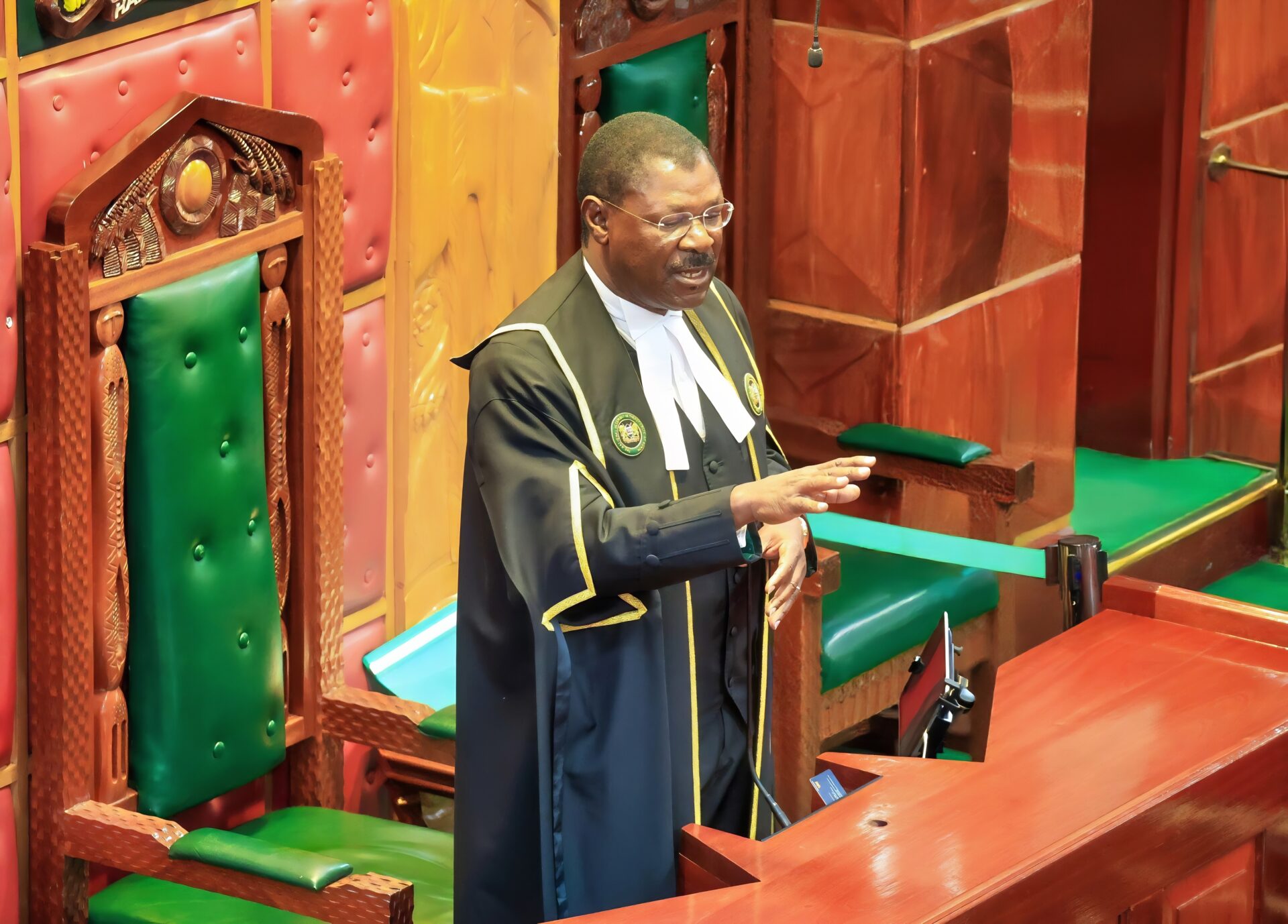
The Third Reading marked the culmination of rigorous deliberations, with Members of Parliament expressing both optimism and caution about the Bill’s implications. Hon. Silvanus Osoro (South Mugirango, UDA), who moved the motion for the final reading, captured the gravity of this moment when he remarked, “We must decide on which Ministry or authority to implement it.” His statement underscored a critical juncture: while crafting legislation is vital, ensuring its successful execution determines whether such policies truly bear fruit—or remain mere aspirations.
At its core, the Social Protection Bill seeks to address systemic gaps in safeguarding the most marginalised members of society, including the elderly, persons with disabilities, children, and those living in poverty. By formalising mechanisms for social assistance programmes, the Bill aims to harmonise fragmented efforts currently scattered across various ministries. As Hon. Dr James Nyikal (Seme, ODM) noted, “This is not the first time we are having a Bill on social protection… We have many uncoordinated social protection programmes going on.” His observation serves as a poignant reminder that past initiatives, though well-intentioned, faltered due to lack of coordination—a lesson that underscores why implementation frameworks matter just as much as policy design.
One cannot overstate the transformative potential of this legislation. For communities grappling with food insecurity, limited access to healthcare, or inadequate support for vulnerable groups, the Bill represents hope for meaningful change. However, as another proverb goes, “Promises are like flowers; they need water to grow.” Translating these promises into tangible outcomes requires sustained commitment from all stakeholders—not least the government agencies tasked with overseeing implementation.
During the debate, several MPs raised concerns about funding and administrative capacity. Could counties handle increased responsibilities without adequate resources? Would centralised oversight ensure equity, particularly in remote areas where infrastructure remains underdeveloped? These questions reflect broader challenges facing devolved governance structures in Kenya. While the Constitution enshrines principles of fair labour practices and reasonable working conditions under Article 41, translating them into actionable policies demands careful planning and robust resource allocation.
Moreover, the inclusion of hardship allowances within the Bill sparked lively exchanges. Drawing parallels between teachers’ zones and designated hardship areas, Hon. Omboko Milemba (Emuhaya, ANC) highlighted inconsistencies in how criteria were applied. He argued that some regions unfairly benefited at others’ expense—an imbalance requiring urgent review. Here again, the wisdom of the adage “Fairness should shine like the sun” comes into play, emphasising the importance of equitable treatment regardless of geographic location.
Critics might argue that introducing new regulations risks adding bureaucratic layers rather than simplifying existing processes. Yet, proponents counter by pointing out that streamlined systems could save approximately Ksh6.5 billion annually through harmonisation of hardship area designations alone. Such savings demonstrate how thoughtful reforms can yield significant dividends—not only financially but also socially by enhancing public trust in institutions.
Perhaps one of the most compelling aspects of the debate was the emotional resonance evident among MPs. Many spoke passionately about honouring late champions of social justice, such as Hon. Joyce Laboso, whose legacy inspired earlier iterations of the Bill. Hon. Millie Odhiambo-Mabona (Suba North, ODM) encapsulated this sentiment beautifully when she stated, “We hope that the Government will implement it this time, at least in honour of the late Hon. Joyce Laboso.” Her words remind us that laws do not exist in isolation; they carry stories, hopes, and dreams of countless individuals striving for dignity and security.
Looking ahead, the true test lies in how faithfully the Bill’s provisions translate into action. Will local authorities rise to meet their obligations? Can partnerships with private entities bolster service delivery? And crucially, will ordinary Kenyans feel empowered knowing that safety nets now exist to catch them during times of crisis?
As the House gave its final approval, applause rippled through the chamber—a symbolic gesture acknowledging collective achievement. But beyond ceremonial gestures lies a deeper truth: legislation is merely the seed; nurturing it requires vigilance, collaboration, and unwavering dedication. Just as farmers tend fields daily, so too must lawmakers monitor implementation closely to reap bountiful harvests.
Ultimately, the Social Protection Bill embodies a vision larger than any single provision—it reflects a nation committed to leaving no one behind. Whether addressing hunger in arid lands, supporting families burdened by medical expenses, or protecting workers exploited abroad, each clause carries profound significance. Like branches reaching skyward towards sunlight, every effort contributes to building stronger roots beneath the surface.
Thus, as Kenya embarks upon this ambitious journey, let us remember yet another timeless saying: “A chain breaks at its weakest link.” Strengthening social welfare systems means fortifying each link—ensuring representation extends beyond rhetoric so that every Kenyan feels valued and vested in the nation’s destiny. For when all hands join together in unity, the symphony of progress grows richer, louder, and more beautiful than ever before.
Parliamentary Broadcasting Delay: Why the Statement on Broadcasting Proceedings Was Deferred, Underscoring Media Transparency Concerns
In the pursuit of transparency and accountability, it is often said that “you cannot hide the sun with one finger.” This African proverb resonates deeply in Kenya’s National Assembly debates surrounding the deferral of a critical statement on parliamentary broadcasting. On 30th April 2025, during proceedings led by Hon. Farah Maalim (Temporary Speaker), the House deferred a much-anticipated update from the Chairperson of the Committee on Parliamentary Broadcasting and Library. The delay highlighted logistical challenges and underscored broader concerns about media transparency—a cornerstone of democratic governance.
The decision to defer the statement came amid growing public expectations for enhanced access to legislative processes. According to Standing Order conventions, such statements are meant to provide clarity on how Parliament communicates its activities to the Kenyan populace. However, as observed on this occasion, procedural hiccups sometimes obstruct even well-intentioned efforts. As Hon. Farah Maalim noted, “We will defer it to the afternoon,” indicating that unforeseen circumstances necessitated postponement. While seemingly innocuous, this move raised eyebrows among stakeholders, who view timely communication as vital for fostering trust between lawmakers and citizens.
Parliamentary broadcasting serves multiple purposes beyond mere documentation. It acts as a conduit through which ordinary Kenyans can witness democracy in action—debates, decisions, and deliberations shaping their lives. Yet, delays risk creating perceptions of opacity or reluctance to engage openly. Consider another adage: “A secret remains a secret only when kept.” By deferring updates on broadcasting protocols, there is an implicit risk of fuelling suspicions that information might be withheld selectively—an impression no institution aiming for transparency should wish to project.
Moreover, the timing of this deferral coincided with heightened scrutiny over other contentious issues like disbursement timelines for NG-CDF funds and pending reports on electoral reforms. Each instance reflects interconnected threads within the fabric of governance. For example, Hon. Millie Odhiambo-Mabona expressed dissatisfaction regarding assurances made by Cabinet Secretaries without tangible evidence backing claims of technical glitches. Her frustration echoes wider sentiments about holding officials accountable—not just in words but deeds too.
Critics might argue that occasional postponements are inevitable given the complexity of parliamentary schedules. Indeed, managing numerous requests simultaneously demands meticulous coordination. However, critics also caution against patterns where recurrent deferrals normalize opacity rather than exceptionality. Just as farmers cannot afford to neglect crops indefinitely hoping they will thrive later, so too must legislators ensure consistent nurturing of public confidence via transparent practices.
Interestingly, while some MPs focused on immediate implications, others emphasized long-term strategies. Hon. Peter Kaluma invoked Article 27 of the Constitution concerning non-discrimination based on language—a principle extending beyond linguistic inclusivity towards equitable treatment across all domains including media representation. His remarks hinted at systemic vulnerabilities needing redress if genuine progress toward openness is desired.
Ultimately, what began as a routine administrative task evolved into a microcosm reflecting larger struggles within Kenya’s political landscape. Whether addressing alleged environmental pollution in Kilifi County or stalled construction projects like Olenguruone Stadium, each deferred request symbolizes missed opportunities for dialogue and resolution. Thus, ensuring robust mechanisms for disseminating parliamentary proceedings becomes paramount—not merely fulfilling statutory obligations but reinforcing foundational pillars underpinning modern democracies.
As we reflect upon these developments, let us remember yet another timeless saying: “Fairness should shine like the sun.” True fairness entails making information accessible promptly and comprehensibly, so every citizen feels empowered to participate actively in civic life. When done effectively, broadcasting transforms abstract policies into relatable narratives connecting diverse communities nationwide.
Thus, despite initial setbacks, hope remains alive provided lessons learned to translate into actionable improvements moving forward. After all, even mighty rivers start small before carving vast landscapes over time. Similarly, incremental steps today pave pathways leading towards greater enlightenment tomorrow—ensuring sunlight penetrates the deepest shadows, illuminating truths otherwise obscured beneath layers of bureaucracy.
Mavoko Status Report Request: The Call for Clarity on Localised Issues Like Mavoko Demonstrates MPs’ Commitment to Grassroots Representation
In the intricate tapestry of governance, it is often said that “a tree does not grow without roots.” This African proverb encapsulates perfectly the essence of grassroots representation in Kenya’s National Assembly. On 30th April 2025, during proceedings led by Hon. Farah Maalim (Temporary Speaker), the House witnessed a poignant example of this principle when Hon. Joyce Kamene (Machakos County, WDM) rose to request a Statement regarding the status of the Mavoko Water Supply Project—a critical localised issue affecting thousands of residents. Her call for clarity not only underscored her commitment to serving her constituents but also highlighted the broader responsibility of Members of Parliament to ensure that national policies translate into tangible benefits at the grassroots level.
The Mavoko Drinking Water Supply Project, jointly funded by the Kenyan and Belgian governments, represents more than just an infrastructure initiative; it embodies the hopes and needs of communities grappling with chronic water scarcity. As Hon. Kamene noted, the project has been ongoing for nearly a decade, yet its completion remains elusive. For residents in Syokimau, Mlolongo, and Athi River—areas earmarked to benefit from improved access to clean water—the delays have exacerbated their plight, leaving them vulnerable to unscrupulous water vendors who exploit the shortage for profit. In this context, Hon. Kamene’s intervention reflects another adage: “When the well runs dry, we know the worth of water.” Her advocacy serves as a reminder that addressing such pressing challenges is not merely a matter of policy but a moral imperative rooted in human dignity.
Hon. Kangogo Bowen (Marakwet East, UDA), Chairperson of the relevant committee, responded with a firm undertaking to expedite progress. He assured the House that resources would be allocated in the 2025/2026 Financial Year to complete the last-mile connectivity required to bring water directly into households. However, his response also revealed the complexities inherent in devolved functions like water supply management. While the National Government provides funding through agencies like the Tanathi Water Works Development Agency, implementation ultimately rests with county governments. This division of responsibilities often creates bottlenecks, echoing the saying, “Too many cooks spoil the broth.” Without seamless coordination between national and county authorities, even well-intentioned projects risk stalling or becoming white elephants.
Beyond the specifics of the Mavoko case, this exchange illuminated the vital role MPs play as bridges between centralised decision-making and decentralised realities. By raising localized issues on the floor of the National Assembly, legislators like Hon. Kamene amplify voices that might otherwise go unheard. Their interventions demonstrate a keen awareness of the interconnectedness of governance levels—a recognition that what happens in Mavoko reverberates across Machakos County and beyond. As Hon. Beatrice Kemei (Kericho County, UDA) pointed out while supporting Hon. Kamene’s request, water scarcity is not unique to one region. It affects countless communities nationwide, underscoring the need for systemic solutions rather than piecemeal fixes.
Critics might argue that focusing on individual cases detracts from larger national priorities. Yet, history teaches us that meaningful change begins at the grassroots. Consider the impassioned plea made by Hon. Catherine Omanyo (Busia County, ODM), who drew attention to the plight of women and girls forced to travel long distances in search of water—an ordeal exposing them to dangers such as sexual violence. Her remarks served as a stark reminder that behind every statistic lies a human story. Ignoring these narratives risks alienating citizens from the very institutions meant to serve them, much like cutting off branches weakens the entire tree.
Moreover, the discourse around Mavoko exemplifies how accountability mechanisms function within parliamentary systems. When Hon. Kamene questioned whether the project had been adequately monitored, she invoked a principle central to democratic governance: transparency. As the adage goes, “Sunlight is the best disinfectant.” Regular updates and clear timelines help dispel suspicions of mismanagement or neglect, fostering public trust in both elected officials and government agencies. Conversely, ambiguity breeds cynicism—a sentiment no democracy can afford.
Ultimately, the call for clarity on Mavoko underscores a deeper truth about leadership: true progress is measured not by grand declarations but by concrete actions that improve everyday lives. Whether addressing water scarcity, ensuring road connectivity, or facilitating access to healthcare, each effort contributes to building stronger roots for societal growth. Just as farmers nurture crops daily, so too must lawmakers tend to the needs of their constituents consistently and compassionately.
As Kenya continues striving towards Vision 2030 goals, let us remember that success hinges on collective effort—from national planners to local implementers. After all, even the tallest tree starts as a seed planted in fertile soil. Similarly, transformative change begins with small yet significant steps taken at the grassroots level. And so, as MPs champion causes like the Mavoko Water Supply Project, they reaffirm their duty to uphold the principles of democracy, ensuring that every voice finds resonance in the halls of power. For when leaders listen attentively and act decisively, they sow seeds of hope that blossom into brighter futures for all.
Business Laws Amendment Act: Reflections on Proactive Governance Through Legislation Aimed at Protecting Citizens from Financial Scams
In the pursuit of justice and good governance, it is often said that “prevention is better than cure.” This timeless adage resonates deeply in Kenya’s legislative landscape, particularly with the enactment of the Business Laws (Amendment) Act, which came into force in December 2024. The Act exemplifies proactive governance—a deliberate effort to anticipate challenges and craft solutions before they escalate into crises. On 30th April 2025, during debates in the National Assembly, Members of Parliament reflected on how this landmark legislation seeks to shield Kenyans from predatory financial scams that have left many disillusioned and financially ruined.
The Business Laws Amendment Act was born out of necessity, responding to an alarming surge in fraudulent schemes targeting unsuspecting citizens. As Hon. Peter Kaluma noted during proceedings, “We need to be proactive and not reactive.” His remarks were prompted by a recent scandal involving Ibex Limited, a purported investment firm that duped countless Kenyans—including prominent figures—of millions of shillings. Such incidents underscored the urgency for robust legal frameworks capable of deterring unscrupulous actors while empowering regulators to act decisively.
One of the most significant contributions of the Act lies in its focus on enhancing transparency within corporate operations. By introducing stricter registration requirements for businesses and mandating comprehensive disclosures about ownership structures, the legislation ensures that entities operating in Kenya cannot hide behind opaque veils. For instance, scrutiny over foreign firms like the Portuguese company mentioned during discussions highlights the importance of verifying credentials and intentions. Are these companies legitimate? Who are their partners? What services do they offer? These questions, once relegated to the periphery, now form critical components of regulatory oversight—a testament to foresight over hindsight.
Moreover, the Act strengthens enforcement mechanisms, granting institutions such as the Central Bank of Kenya (CBK) additional responsibilities. Nominees vetted for CBK’s board positions, including FCPA Sophie Moturi and CPA Abdullahi Mohammed Abdi, emphasized the need for vigilance against emerging threats posed by digital innovations like blockchain technology and cryptocurrencies. Their advocacy aligns perfectly with another proverbial wisdom: “A stitch in time saves nine.” Updating regulatory systems proactively prevents vulnerabilities from being exploited later, safeguarding both individual investors and national economic stability.
Critics might argue that increased regulation stifles entrepreneurship or discourages foreign investment. However, history teaches us otherwise. Just as farmers fence their farms to protect crops from pests without hindering growth, so too must governments establish boundaries ensuring fair play. The Act strikes this delicate balance by fostering an environment conducive to ethical business practices while penalizing malfeasance severely. This dual approach reflects yet another saying: “Rules are made to keep honest people safe.”
Furthermore, public participation played a crucial role in shaping the amendments. Engaging stakeholders—from small-scale entrepreneurs to multinational corporations—ensured diverse perspectives informed final provisions. This inclusivity mirrors the principle that “many hands make light work,” reinforcing collective responsibility towards building resilient economies. It also addressed concerns raised by county governments regarding potential infringements on devolved functions, demonstrating respect for constitutional principles underpinning devolution.
As MPs deliberated further, several poignant examples surfaced illustrating the human cost of delayed intervention. Take, for instance, victims lured by promises of quick returns only to lose life savings overnight. Or consider families grappling with debt traps orchestrated by loan sharks demanding collateral beyond means. Each story serves as a stark reminder that laws exist not merely as abstract constructs but as lifelines preserving dignity amidst chaos.
Ultimately, reflecting on the Business Laws Amendment Act reveals broader lessons about leadership and accountability. True progress demands anticipating pitfalls rather than waiting for calamities to strike. Whether regulating recruitment agencies exploiting jobseekers abroad or fortifying cybersecurity measures against virtual asset fraudsters, every clause carries profound significance. Like branches reaching skyward towards sunlight, each effort contributes to building stronger roots beneath the surface.
Thus, as Kenya embarks upon this ambitious journey, let us remember yet another timeless saying: “A chain breaks at its weakest link.” Strengthening financial systems means fortifying each link—ensuring representation extends beyond rhetoric so that every Kenyan feels valued and vested in the nation’s destiny. For when all hands join together in unity, the symphony of progress grows richer, louder, and more beautiful than ever before. After all, even mighty rivers start small before carving vast landscapes over time. Similarly, incremental steps today pave pathways leading towards greater enlightenment tomorrow—ensuring sunlight penetrates the deepest shadows, illuminating truths otherwise obscured beneath layers of bureaucracy.
Teachers’ Hardship Allowance: Concerns Raised About Safeguarding Teachers’ Benefits Amid Economic Challenges Highlight Labour Rights Advocacy
In the pursuit of fairness and equity, it is often said that “a bird does not sing because it has an answer; it sings because it has a song.” This African proverb resonates deeply in Kenya’s National Assembly debates surrounding the teachers’ hardship allowance, where concerns have been raised about safeguarding this critical benefit amid economic challenges. The discussions underscored not only the importance of protecting labour rights, but also highlighted how advocacy for fair treatment remains a cornerstone of societal progress—even during times of fiscal strain.
On 30th April 2025, as Members of Parliament deliberated on various issues affecting public servants, one recurring theme stood out: the need to preserve teachers’ hardship allowances enshrined in their Collective Bargaining Agreement (CBA). Hon. Millie Odhiambo-Mabona (Suba North, ODM) articulated this sentiment poignantly when she questioned whether gains achieved through legal frameworks like Legal Notice No. 534 could be eroded by proposed changes to hardship area classifications. Her remarks reflected another timeless adage: “What is rightfully yours should never be taken away without a fight.” Indeed, teachers across Kenya have long relied on these allowances as essential compensation for working in remote or challenging environments.
The debate revealed several layers of complexity surrounding the issue. For instance, while some constituencies such as Narok North and South Mugirango were advocating for inclusion as hardship areas, others feared potential disparities arising from inconsistent criteria. Hon. Rebecca Tonkei (Narok County, UDA) pointed out that even within her constituency, there existed stark contrasts—with some educators receiving hardship allowances while colleagues just across the road did not. Such discrepancies risked undermining morale among teaching staff, echoing the saying, “Unequal treatment breeds discontent.”
Moreover, the discussion illuminated broader systemic vulnerabilities. As Hon. Peter Kaluma noted, simply designating areas based on outdated metrics might overlook evolving realities faced by teachers today. Climate change, infrastructural decay, and socio-political instability continue reshaping landscapes previously deemed hospitable into zones requiring special consideration. Thus, any review process must incorporate dynamic assessments rather than static benchmarks—a principle encapsulated in yet another proverb: “A wise man adapts himself to circumstances, as water shapes itself to the vessel that contains it.”
Critics might argue that expanding eligibility criteria strains already limited resources. Yet, proponents counterargue that investing in education yields exponential returns over time. Consider the plight described by Hon. Susan Ngugi (Tharaka Nithi County, TSP), who lamented closures of schools in Igamba/Ng’ombe Sub-County due to teacher shortages. Without adequate incentives, qualified educators opt out of postings altogether, leaving communities underserved—a scenario reminiscent of the maxim, “You reap what you sow.” Neglecting teachers’ welfare now risks sowing seeds of future crises.
Furthermore, the discourse extended beyond monetary aspects towards fostering dignity and respect within the profession. Many MPs acknowledged that beyond salaries lie deeper aspirations for recognition and appreciation. Drawing parallels between past struggles led by champions like Hon. Joyce Laboso, whose legacy inspired earlier iterations of protective legislation, current advocates emphasized continuity over complacency. As Hon. Dorice Donya (Kisii County, WDM) passionately argued, ensuring retired teachers receive rightful dues from ventures like GUMICO reflects commitment to holistic care throughout career cycles—an ethos embodying the belief that “service rendered deserves honour returned.”
Ultimately, safeguarding teachers’ benefits amidst economic turbulence requires balancing pragmatism with compassion. By harmonising policies across sectors—civil service, judiciary, and education alike—the government can create equitable systems benefiting all stakeholders involved. Just as farmers rotate crops strategically to maintain soil fertility, so too must policymakers adjust strategies periodically to ensure sustainable growth moving forward.
As we reflect upon these developments, let us remember yet another timeless saying: “Fairness should shine like the sun.” Ensuring transparent, inclusive decision-making processes empowers every voice to resonate meaningfully within the halls of power. When done effectively, advocacy transforms abstract promises into tangible actions connecting diverse communities nationwide.
Thus, despite initial hurdles, hope remains alive provided lessons learned to translate into actionable improvements moving ahead. After all, even mighty rivers start small before carving vast landscapes over time. Similarly, incremental steps today pave pathways leading towards greater enlightenment tomorrow—ensuring sunlight penetrates deepest shadows illuminating truths otherwise obscured beneath layers of bureaucracy.
Foreign Affairs Success Stories: Examples of Diplomatic Interventions, Such as Repatriating Stranded Kenyans, Showcasing Effective Ministry Work
In the realm of diplomacy, it is often said that “a friend in need is a friend indeed.” This timeless adage finds profound resonance in the work of Kenya’s Ministry of Foreign and Diaspora Affairs, particularly through its efforts to repatriate stranded Kenyans abroad. On 30th April 2025, during debates in the National Assembly, Members of Parliament lauded the ministry for its recent successes in bringing Kenyans back home from precarious situations—a testament to effective diplomatic intervention and the unwavering commitment to safeguarding citizens wherever they may be.
One striking example highlighted during proceedings was the case of Kenyans stranded in Myanmar. As Hon. Esther Passaris (Nairobi City County, ODM) noted, these individuals had been lured by rogue recruitment agents promising lucrative jobs, only to find themselves abandoned and destitute in a foreign land. The Ministry of Foreign and Diaspora Affairs intervened decisively, organizing their repatriation at the government’s expense. This act of compassion restored hope to desperate families and underscored the principle that no Kenyan should face adversity alone—a reflection of the African proverb: “If you want to go fast, go alone; if you want to go far, go together.”
Such interventions are emblematic of broader efforts undertaken by the ministry to protect Kenyans abroad. Prime Cabinet Secretary Hon. Musalia Mudavadi elaborated on this point, noting that embassies and consulates serve as lifelines for citizens distressed. From issuing emergency travel documents to facilitating legal representation or translation services in non-English-speaking countries, these missions play a pivotal role in ensuring fair treatment under often challenging circumstances. For instance, Mr James Kariuki, a Kenyan incarcerated in the United Arab Emirates (UAE), received assistance from embassy staff who monitored his case closely while keeping his family informed about developments. These actions reflect another adage: “A problem shared is a problem halved,” reminding us that collective effort can alleviate even the heaviest burdens.
Moreover, the ministry has implemented proactive measures aimed at preventing future crises. Pre-departure orientations, mobile consular outreach programs, and partnerships with local authorities in host nations exemplify strategies designed to empower Kenyans before they embark on international journeys. By equipping them with knowledge about rights, responsibilities, and potential risks, the ministry fosters resilience among diaspora communities—an approach echoing the wisdom: “Forewarned is forearmed.”
However, success stories extend beyond individual cases to encompass systemic improvements benefiting thousands. Consider the launch of the Kenya Diaspora Policy 2024, which seeks to integrate expatriates into national development agendas. Through initiatives like the Diaspora Placement Agency, established in 2023, the ministry supports jobseekers abroad while promoting skills transfer back home. Additionally, agreements negotiated with countries across the Middle East aim to safeguard migrant workers’ rights—a critical step towards addressing longstanding grievances related to exploitation and abuse.
Critics might argue that challenges persist despite these achievements. Indeed, reports of Kenyans languishing in detention centers or facing harsh working conditions continue to surface regularly. Yet, each resolved case represents progress toward a more robust safety net for all citizens. Take, for example, Elizabeth Chausi, whose plight came to light thanks to persistent advocacy within parliamentary circles. Funds were promptly dispatched via diplomatic channels, enabling her swift return home—a reminder that persistence pays off, much like watering seeds until they sprout into sturdy plants.
Ultimately, what sets apart these success stories is not merely resolution but prevention—the ability to anticipate needs and respond swiftly when called upon. Whether evacuating nationals from conflict zones, securing exit permits for children born overseas, or mediating disputes involving fraudulent employers, every action contributes to building stronger ties between Kenya and its global diaspora. Just as rivers carve valleys over time, so too does consistent effort shape landscapes of trust and cooperation.
As we reflect upon these accomplishments, let us remember yet another timeless saying: “A chain breaks at its weakest link.” Strengthening diplomatic frameworks means fortifying each connection—ensuring representation extends beyond rhetoric so that every Kenyan feels valued and vested in the nation’s destiny. For when all hands join together in unity, the symphony of progress grows richer, louder, and more beautiful than ever before. After all, even mighty rivers start small before carving vast landscapes over time. Similarly, incremental steps today pave pathways leading towards greater enlightenment tomorrow—ensuring sunlight penetrates the deepest shadows, illuminating truths otherwise obscured beneath layers of bureaucracy.
Infrastructure Development: Progress Updates on Projects Like Namanga Interchange and Water Supply Systems Illustrate Tangible Government Action
In the pursuit of progress, it is often said that “a journey of a thousand miles begins with a single step.” This timeless adage resonates deeply in Kenya’s National Assembly debates surrounding infrastructure development, where tangible actions—such as updates on the Namanga Interchange and water supply systems—are transforming aspirations into reality. On 30th April 2025, Members of Parliament engaged in discussions that highlighted the critical role of infrastructure in fostering economic growth, enhancing connectivity, and improving the quality of life for ordinary Kenyans.
The Namanga Interchange, a flagship project under the Export Processing Zone (EPZ), exemplifies how strategic investments can unlock immense potential. As Hon. Kangogo Bowen (Marakwet East, UDA) noted during proceedings, this interchange is not merely a road but a lifeline connecting communities, facilitating trade, and boosting regional integration. With an additional 6.2 kilometres extended to Green Park Estate along Mombasa Road, the project incorporates state-of-the-art features such as a 4,000-cubic-meter reservoir, a 3,000-cubic-meter elevated steel tank, and pumping stations designed to meet growing demands. These developments underscore another proverbial wisdom: “Build bridges, not walls.” By constructing robust infrastructure, Kenya strengthens ties within its borders and beyond, positioning itself as a hub for commerce and innovation.
However, infrastructure development extends far beyond roads; it encompasses essential services like water supply—a resource as vital as air itself. The Mavoko Drinking Water Supply Project , jointly funded by the Kenyan and Belgian governments, serves as a poignant example. Despite initial delays due to Exchequer releases, significant milestones have been achieved. According to Hon. Joyce Kamene (Machakos County, WDM), who sought clarification regarding timelines, the project now stands 100% complete, having been commissioned on 14th April 2023. Yet challenges remain, particularly concerning last-mile connectivity managed by Machakos County Government through Mavoko Water and Sanitation Company. Here again, we find resonance in the saying: “A chain breaks at its weakest link.” Ensuring seamless coordination between national and county authorities becomes paramount to avoid creating white elephants instead of functional assets.
Moreover, addressing water scarcity faced by residents in areas like Syokimau, Mlolongo, and Athi River requires interim measures while awaiting full implementation. Through initiatives such as the Mavoko Water and Sewerage Interventions, which includes rehabilitating existing infrastructure and providing technical assistance, the government demonstrates commitment to holistic solutions. This dual approach reflects yet another adage: “Do not dig tomorrow’s well today if you thirst now.” Immediate relief coupled with long-term planning ensures sustainability—a principle echoed throughout parliamentary deliberations.
Critics might argue that large-scale projects sometimes overshadow smaller yet equally impactful ones. For instance, Hon. Catherine Omanyo (Busia County, ODM) pointed out that smaller dams worth Ksh20 million each could revolutionize access to water in constituencies like Kitui South. Her remarks highlight the importance of balancing grand visions with grassroots realities—a reminder that even mighty rivers start small before carving vast landscapes over time. Similarly, incremental steps taken today pave pathways leading towards greater enlightenment tomorrow—ensuring sunlight penetrates deepest shadows illuminating truths otherwise obscured beneath layers of bureaucracy.
Ultimately, what sets apart successful infrastructure projects from failed attempts lies not only in execution but also in inclusivity. Engaging stakeholders—from local leaders to international partners—ensures diverse perspectives inform final outcomes. Just as farmers rotate crops strategically to maintain soil fertility, so too must policymakers adjust strategies periodically to ensure sustainable growth moving forward.
As we reflect upon these achievements, let us remember yet another timeless saying: “Fairness should shine like the sun.” Transparent, inclusive decision-making processes empower every voice to resonate meaningfully within the halls of power. When done effectively, advocacy transforms abstract promises into tangible actions connecting diverse communities nationwide.
Thus, despite initial hurdles, hope remains alive provided lessons learned to translate into actionable improvements moving ahead. After all, even mighty rivers start small before carving vast landscapes over time. Similarly, incremental steps today pave pathways leading towards greater enlightenment tomorrow—ensuring sunlight penetrates deepest shadows illuminating truths otherwise obscured beneath layers of bureaucracy.
Labour Migration Policies: Calls for Statements on Kenyan Workers in the Middle East Reveal Ongoing Struggles and the Need for Systemic Reforms
In the pursuit of progress, it is often said that “a river cannot return to its source, yet it finds its way forward.” This African proverb encapsulates the journey of Kenyan workers who migrate to the Middle East in search of opportunities, only to face challenges that demand systemic reforms. On 30th April 2025, during debates in Kenya’s National Assembly, Members of Parliament highlighted the struggles faced by these workers, underscoring the urgent need for comprehensive labour migration policies. The calls for statements from relevant committees reflect not just concern but a collective resolve to address these issues—and ensure that Kenyans abroad are treated with dignity and fairness.
The plight of Kenyan workers in the Middle East has been a recurring theme in parliamentary discussions, with MPs raising alarm over exploitation, abuse, and even loss of life. Hon. Millie Odhiambo-Mabona (Suba North, ODM) poignantly remarked on how recruitment agencies operate as cartels, luring unsuspecting youth with false promises of lucrative jobs, only to abandon them in precarious situations. Her comments echoed another adage: “A baited hook hides the angler’s intent.” These agencies, often unregulated, exploit vulnerabilities, leaving workers stranded or trapped in abusive environments—an issue that underscores the broader systemic gaps in Kenya’s labour migration framework.
One notable example came from Hon. Kakuta Maimai (Kajiado East, ODM), who sought clarity on the number of Kenyans incarcerated in Saudi Arabia and questioned whether the Ministry of Foreign and Diaspora Affairs had established mechanisms to sensitise citizens before they travel abroad. His concerns were not unfounded. As Prime Cabinet Secretary Hon. Musalia Mudavadi acknowledged, over 1,000 Kenyans are currently incarcerated in various countries, some for minor offences and others due to circumstances beyond their control. This revelation highlights the dual challenges of inadequate pre-departure orientation and insufficient support systems once migrants arrive in host nations.
Moreover, the debate revealed alarming stories of exploitation. Hon. Catherine Omanyo (Busia County, ODM) described how Kenyan workers in the Middle East endure gruelling conditions—overworked, underpaid, and treated “like slaves.” While her remarks drew laughter from some quarters, they underscored a grim reality: without robust bilateral agreements and stringent oversight, migrant workers remain vulnerable to exploitation. Here again, the wisdom of the saying “Do not send your child to fetch firewood at night” resonates—warning against exposing individuals to dangers without adequate safeguards.
Efforts have been made to address these challenges, though much remains to be done. For instance, the Kenya Diaspora Policy 2024 seeks to enhance engagement with Kenyans abroad, ensuring continuous communication and protection of their rights. Additionally, initiatives like the Diaspora Placement Agency , launched in 2023, aim to facilitate safe and ethical job placements overseas. However, critics argue that these measures are insufficient unless accompanied by stricter enforcement of regulations governing private recruitment agencies—a point emphasised by Hon. Martin Owino (Ndhiwa, ODM), who called for greater scrutiny of such entities.
Bilateral agreements between Kenya and destination countries also play a critical role in safeguarding migrant workers’ rights. Yet, as Hon. Njeri noted, compliance with these agreements remains inconsistent, particularly in regions where local labour laws offer minimal protections. Take, for example, cases where employers confiscate passports or impose exorbitant dependency fees, effectively trapping workers in cycles of debt and servitude. Addressing these loopholes requires sustained diplomatic engagement—a principle reflected in yet another maxim: “You cannot clap with one hand.” Collaboration between governments, civil society, and international organisations is essential to create an environment where Kenyan workers thrive rather than merely survive.
Critics might counter that focusing solely on external solutions risks neglecting internal opportunities. Indeed, creating employment locally through industrialisation and manufacturing could reduce reliance on foreign labour markets—a sentiment shared by several MPs during proceedings. Drawing parallels with countries like the Philippines, which prioritises repatriation and domestic job creation, Hon. Peter Kaluma urged policymakers to adopt long-term strategies aimed at bringing Kenyans back home. Such initiatives align with the belief that “a bird builds its nest where it plans to stay,” advocating for sustainable development within Kenya’s borders.
Ultimately, what sets apart successful reform efforts from failed attempts lies in commitment and consistency. By consolidating existing frameworks, enhancing data collection, and fostering inclusive dialogue, Kenya can pave the way for meaningful change. Just as rivers carve valleys over time, so too does persistent effort shape landscapes of trust and cooperation.
As we reflect upon these developments, let us remember yet another timeless saying: “Fairness should shine like the sun.” Transparent, inclusive decision-making processes empower every voice to resonate meaningfully within the halls of power. When done effectively, advocacy transforms abstract promises into tangible actions connecting diverse communities nationwide.
Thus, despite initial hurdles, hope remains alive provided lessons learned to translate into actionable improvements moving ahead. After all, even mighty rivers start small before carving vast landscapes over time. Similarly, incremental steps today pave pathways leading towards greater enlightenment tomorrow—ensuring sunlight penetrates the deepest shadows, illuminating truths otherwise obscured beneath layers of bureaucracy.
Energy Sector Liberalisation: Arguments for Reviewing Energy Policies to Foster Competition and Reduce Consumer Costs
In the pursuit of progress, it is often said that “a closed fist cannot catch flies.” This African proverb resonates deeply in Kenya’s ongoing debates about energy sector liberalisation—a call to review policies that currently stifle competition and inflate consumer costs. On 30th April 2025, during proceedings in the National Assembly, Members of Parliament engaged in spirited discussions about the need to liberalise the energy market, echoing arguments that a more open system could foster innovation, drive down prices, and ultimately benefit ordinary Kenyans.
The debate centred on the monopolistic tendencies within parts of Kenya’s energy sector, particularly highlighted by cases like KUDURA Power East Africa Limited. As Hon. (Dr) Ojiambo Oundo (Funyula, ODM) pointedly remarked, the current tariffs charged by some independent power producers are exorbitant, with KUDURA charging Ksh88 per kilowatt-hour compared to Kenya Power’s Ksh25. This disparity underscores an imbalance that burdens consumers and stifles economic growth—a situation reminiscent of another adage: “One cannot fill a basket with holes.” Without addressing these structural inefficiencies, efforts to boost industrialisation and create jobs locally will remain futile.
Critics argue that existing regulatory frameworks under Section 117 of the Energy Act, 2019 inadvertently perpetuate monopolies rather than encourage fair competition. For instance, while licences granted to entities such as KUDURA allow them exclusive rights to generate, distribute, and sell electricity directly to consumers, this arrangement leaves little room for alternative service providers to enter the fray. Hon. David Gikaria (Nakuru Town East, UDA), Chairperson of the Departmental Committee on Energy, acknowledged this concern when he stated that though KUDURA operates legally under EPRA guidelines, there remains a pressing need to reassess how these regulations impact market dynamics. His remarks reflect yet another saying: “A river does not flow backward,” suggesting that once monopolies take root, reversing their influence becomes increasingly challenging without proactive intervention.
Moreover, high-energy costs ripple through various sectors, exacerbating hardships faced by businesses and households alike. During his contribution, Hon. Patrick Ntwiga (Chuka/Igambang’ombe, UDA) lamented how escalating electricity bills have forced many enterprises to operate below capacity or even shut down entirely. He likened Kenya’s reliance on expensive power sources to “digging a hole to fill another” —implying that short-term gains from lucrative contracts with foreign firms come at long-term expense to domestic industries. Thus, fostering competition through policy reform emerges not merely as an option but a necessity for sustainable development.
Proponents of liberalisation advocate for measures akin to those proposed in draft mini-grid regulations, which aim to diversify options available to operators once main grids arrive. These provisions include allowing mini-grid companies to either become power producers selling bulk energy to distributors or continue operating independently while purchasing from larger networks. Such flexibility promises greater choice for end-users, potentially leading to reduced rates—a principle encapsulated in the maxim: “More hands make lighter work.” By enabling multiple players to participate actively in the marketplace, collective effort yields better outcomes than isolated endeavours ever could.
However, critics caution against rushing headlong into deregulation without adequate safeguards. Drawing parallels between failed attempts elsewhere, they warn that unchecked liberalisation risks destabilising fragile systems already grappling with infrastructural decay and socio-political instability. Here again, we find resonance in the wisdom: “Haste makes waste.” Policymakers must tread carefully, ensuring robust oversight mechanisms accompany any shift towards openness, lest unintended consequences arise later.
Ultimately, what sets apart successful reform efforts from failed attempts lies in commitment and consistency. By consolidating existing frameworks, enhancing data collection, and fostering inclusive dialogue, Kenya can pave the way for meaningful change. Just as rivers carve valleys over time, so too does persistent effort shape landscapes of trust and cooperation.
As we reflect upon these developments, let us remember yet another timeless saying: “Fairness should shine like the sun.” Transparent, inclusive decision-making processes empower every voice to resonate meaningfully within the halls of power. When done effectively, advocacy transforms abstract promises into tangible actions connecting diverse communities nationwide.
Thus, despite initial hurdles, hope remains alive provided lessons learned translate into actionable improvements moving ahead. After all, even mighty rivers start small before carving vast landscapes over time. Similarly, incremental steps today pave pathways leading towards greater enlightenment tomorrow—ensuring sunlight penetrates deepest shadows illuminating truths otherwise obscured beneath layers of bureaucracy.
Central Bank Nominees Approval: The Rigorous Vetting Process Underscores the Importance of Competent Leadership in Financial Institutions
In the pursuit of excellence, it is often said that “a wise leader builds a strong foundation.” This African proverb resonates deeply in Kenya’s National Assembly debates surrounding the approval of nominees for the Board of the Central Bank of Kenya (CBK). On 30th April 2025, Members of Parliament engaged in a meticulous vetting process to ensure that only individuals with exemplary qualifications and integrity would assume leadership roles within this critical financial institution. The rigorous scrutiny underscores the importance of competent leadership—a cornerstone upon which Kenya’s economic stability and growth depend.
The debate highlighted the gravity of selecting leaders who can navigate the complexities of modern banking systems while prioritising the welfare of ordinary Kenyans. As Hon. Kuria Kimani (Kajiado West, UDA) noted during proceedings, “Their wealth of experience will be instrumental in steering Kenya’s financial sector towards a future of stability, innovation, and inclusive economic growth.” His remarks reflect another timeless adage: “A good captain sails the ship through stormy seas.” In an era marked by rapid technological advancements and global uncertainties, appointing skilled individuals to guide monetary policy becomes paramount.
One notable example came from the Joint Parliamentary Committee report, which recommended approving candidates like FCPA Sophie Moturi, CPA Abdullahi Mohamed Abdi, Ms Beatrice Kosgei, and Mr David Simpson Osawa Owuor. Each nominee underwent extensive evaluation against stringent criteria such as academic qualifications, professional expertise, leadership traits, financial probity, political neutrality, and conflict-of-interest assessments. For instance, FCPA Sophie Moturi—a seasoned finance and governance expert with over 38 years of experience—advocated for a robust regulatory framework and monetary stability. Her background exemplifies yet another saying: “Experience is the best teacher.”
Similarly, CPA Abdullahi Mohammed Abdi’s extensive career spanning more than two decades in NGO finance governance highlights his ability to manage resources ethically and efficiently. Meanwhile, Ms Beatrice Kosgei brings invaluable insights into corporate boards and international development work, ensuring diverse perspectives inform decision-making processes. Lastly, Mr David Simpson Osawa Awuor’s proficiency in Information Technology (IT) and FinTech positions him well to address emerging challenges posed by blockchain technology, virtual assets, and cryptocurrencies—a domain increasingly shaping traditional banking models worldwide.
However, beyond individual accolades lies a broader commitment to transparency and accountability. During vetting sessions chaired jointly by the Departmental Committee on Finance and National Planning alongside the Senate Standing Committee on Finance and Budget, clearance reports were obtained from entities such as the Ethics and Anti-Corruption Commission (EACC), Kenya Revenue Authority (KRA), Directorate of Criminal Investigations (DCI), Higher Education Loans Board (HELB), and the Office of the Director of Public Prosecutions (ODPP). These measures reinforce the principle that “trust must be earned,” emphasizing that no stone should remain unturned when safeguarding public interests.
Critics might argue that prolonged vetting risks delaying urgent reforms needed to stabilize volatile markets. Yet proponents counterargue that thorough due diligence prevents costly mistakes later—a lesson encapsulated in the maxim: “Haste makes waste.” Ensuring that each candidate meets all legal and constitutional requirements safeguards institutional integrity and fosters public confidence in government institutions.
Moreover, discussions revealed ongoing efforts to harmonize policies across sectors. For example, integrating ‘Buy Now, Pay Later’ programmes under CBK supervision necessitates upgrading human resource capabilities and adopting cutting-edge technologies. Here again, we find resonance in the wisdom: “Prepare today what you need tomorrow.” By equipping newly appointed directors with tools necessary to balance innovation, stability, and consumer protection, Kenya sets itself on a trajectory toward sustainable economic progress.
Ultimately, what sets apart successful reform efforts from failed attempts lies in commitment and consistency. Just as rivers carve valleys over time, so too does persistent effort shape landscapes of trust and cooperation. As MPs deliberated further, several poignant examples surfaced illustrating the human cost of delayed intervention. Take, for instance, victims lured by promises of quick returns only to lose life savings overnight. Or consider families grappling with debt traps orchestrated by loan sharks demanding collateral beyond means. Each story serves as a stark reminder that behind every statistic lies a human narrative.
Thus, despite initial hurdles, hope remains alive provided lessons learned translate into actionable improvements moving ahead. After all, even mighty rivers start small before carving vast landscapes over time. Similarly, incremental steps today pave pathways leading towards greater enlightenment tomorrow—ensuring sunlight penetrates deepest shadows illuminating truths otherwise obscured beneath layers of bureaucracy.
As we reflect upon these developments, let us remember yet another timeless saying: “Fairness should shine like the sun.” Transparent, inclusive decision-making processes empower every voice to resonate meaningfully within the halls of power. When done effectively, advocacy transforms abstract promises into tangible actions connecting diverse communities nationwide.
Therefore, as Kenya embarks upon this ambitious journey, let us reaffirm our duty to uphold the principles of democracy, ensuring that every voice finds resonance in the halls of power. After all, even mighty rivers start small before carving vast landscapes over time. Similarly, incremental steps today pave pathways leading towards greater enlightenment tomorrow—ensuring sunlight penetrates deepest shadows illuminating truths otherwise obscured beneath layers of bureaucracy.
Community Policing Initiatives: Requests for Statements on Decentralised Security Measures Aim to Enhance Trust Between Law Enforcement and Citizens
In the pursuit of harmony and safety, it is often said that “a single stick may be easily broken, but a bundle of sticks is much harder to break.” This African proverb resonates deeply in Kenya’s National Assembly debates surrounding community policing initiatives , where decentralised security measures are being championed as a means to strengthen trust between law enforcement agencies and citizens. On 30th April 2025, Members of Parliament engaged in discussions highlighting the importance of fostering collaboration at the grassroots level—a cornerstone for building safer and more cohesive communities.
The call for statements on decentralised security measures came from various quarters, underscoring growing concerns about rising insecurity across different regions. For instance, Hon. Beatrice Kemei (Kericho County, UDA) sought clarity regarding investigations into the murder of Mr Joshua Mutai, a village elder in Sigowet Ward. Her request reflected broader anxieties shared by many Kenyans, who feel vulnerable despite the existing police presence. As she noted during proceedings, “village elders serve their communities voluntarily, without any remuneration… Despite the sacrifice, they continue to work under unsafe conditions.” This observation echoes another timeless adage: “A society grows great when old men plant trees whose shade they know they shall never sit in.” By advocating for enhanced protection mechanisms, MPs aim not only to honour these unsung heroes, but also to ensure future generations inherit a legacy of peace and stability.
Moreover, discussions revealed alarming trends, necessitating urgent action. Take, for example, cases involving violent crimes such as the killing of Madam Roselida Akinyi Wanga, a teacher from Navakholo Constituency. Hon. Emmanuel Wangwe (Navakholo, ODM) highlighted how her tragic demise disrupted educational pursuits among day scholars reliant upon her institution. Such incidents underscore the interconnectedness of societal functions—a principle encapsulated in yet another saying: “When one part of the body hurts, the whole body feels pain.” Strengthening ties between local authorities and residents becomes paramount to prevent ripple effects threatening entire ecosystems.
Critics might argue that decentralising responsibilities risks diluting accountability or creating inconsistencies. However, proponents counterargue that empowering community-based structures fosters ownership and responsiveness—an ethos embodied in the maxim: “Charity begins at home.” Initiatives like neighbourhood watch programmes, citizen advisory boards, and participatory budgeting processes exemplify strategies designed to engage stakeholders actively while promoting transparency and inclusivity. Just as rivers carve valleys over time, so too does consistent effort shape landscapes of trust and cooperation.
Furthermore, enhancing communication channels plays a critical role in bridging gaps between law enforcers and civilians. During his contribution, Hon. Geoffrey Wandeto (Tetu, UDA) emphasized the need for regular updates on ongoing investigations to keep families informed about progress made towards justice. These actions align perfectly with the belief that “knowledge empowers,” reinforcing collective responsibility towards maintaining public order. It also addresses longstanding grievances related to perceived indifference or neglect—a sentiment no democracy can afford to perpetuate further.
Ultimately, what sets apart successful reform efforts from failed attempts lies in commitment and consistency. Whether addressing land disputes fuelling conflicts in rural areas or mitigating human-wildlife clashes affecting pastoralist communities, each clause carries profound significance. Like branches reaching skyward towards sunlight, every effort contributes to building stronger roots beneath the surface.
As we reflect upon these developments, let us remember yet another timeless saying: “Fairness should shine like the sun.” Transparent, inclusive decision-making processes empower every voice to resonate meaningfully within the halls of power. When done effectively, advocacy transforms abstract promises into tangible actions connecting diverse communities nationwide.
Thus, despite initial hurdles, hope remains alive provided lessons learned to translate into actionable improvements moving ahead. After all, even mighty rivers start small before carving vast landscapes over time. Similarly, incremental steps today pave pathways leading towards greater enlightenment tomorrow—ensuring sunlight penetrates the deepest shadows, illuminating truths otherwise obscured beneath layers of bureaucracy.
Education Fund Administration Review: Proposals to Assess Existing Frameworks Could Pave the Way for More Equitable Funding Models
In the pursuit of fairness and progress, it is often said that “a tree does not grow without roots.” This African proverb encapsulates the essence of Kenya’s ongoing efforts to review education fund administration—a process aimed at addressing systemic inequities in funding models. On 30th April 2025, during debates in the National Assembly, Members of Parliament proposed assessing existing frameworks to ensure that all learners, regardless of background or location, have access to quality education. These proposals reflect a collective resolve to create more equitable systems that not only meet constitutional mandates, but also align with Vision 2030 goals.
The call for an ad hoc Select Committee to conduct a comprehensive review underscores the recognition that current mechanisms are fragmented and inefficient. As Hon. Junet Mohamed (Suna East, ODM) noted while giving notice of Motion, “We must streamline and consolidate education funding to realise free and compulsory basic education.” His remarks highlight the urgent need to harmonise disparate sources—including government capitation, bursaries, scholarships, and grants from entities like the National Government Constituency Development Fund (NG-CDF)—into a unified framework. Without such consolidation, disparities persist, leaving many students behind—a situation reminiscent of another adage: “A chain breaks at its weakest link.”
One notable concern raised during proceedings involved the absence of a centralised database to track disbursements effectively. Many MPs lamented how this gap hampers transparency and accountability, leading to inefficiencies where funds fail to reach intended beneficiaries. For instance, despite significant allocations reported annually, numerous schools still grapple with inadequate resources, affecting teaching standards and student outcomes. Here again, we find resonance in the wisdom: “You cannot clap with one hand.” Collaboration between stakeholders—government agencies, private sector partners, and educational institutions—is essential to bridge these divides.
Moreover, discussions revealed alarming trends regarding exclusionary practices within scholarship programmes. Cognisant of reports indicating insufficient government capitation exacerbating challenges faced by disadvantaged families, Hon. Patrick Ntwiga (Chuka/Igambang’ombe, UDA) poignantly remarked on how reliance on logbook loans and title deeds as collateral drives citizens into cycles of debt. He likened Kenya’s predicament to “digging a hole to fill another,” warning against short-term fixes that ultimately undermine long-term stability. By proposing robust criteria for eligibility, selection, and disbursement, lawmakers aim to rectify imbalances, ensuring every child receives fair treatment under revamped policies.
Critics might argue that establishing new structures risks duplicating efforts already underway elsewhere. However, proponents counterargue that thorough assessments enable identification of overlaps, inefficiencies, and gaps currently undermining effectiveness—a principle embodied in yet another maxim: “Forewarned is forearmed.” Armed with insights gleaned through rigorous analysis, decision-makers can craft solutions tailored specifically to address unique Kenyan contexts, rather than adopting generic templates ill-suited to local realities.
Furthermore, engaging diverse voices throughout the review process promises richer outcomes reflective of broader societal needs. Drawing parallels between past successes achieved via inclusive dialogue, such as reforms initiated post-Vision 2030 rollouts, advocates emphasize continuity over complacency. As Hon. Kimani Ichung’wah (Kikuyu, UDA) passionately argued, fostering innovation requires accommodating technological advancements reshaping global landscapes—a reminder that even mighty rivers start small before carving vast landscapes over time. Similarly, incremental steps taken today pave pathways leading towards greater enlightenment tomorrow—ensuring sunlight penetrates the deepest shadows, illuminating truths otherwise obscured beneath layers of bureaucracy.
Ultimately, what sets apart successful reform initiatives from failed attempts lies in commitment and consistency. Whether addressing chronic shortages plaguing junior secondary schools or enhancing support networks available to marginalised groups, each clause carries profound significance. Like branches reaching skyward towards sunlight, every effort contributes to building stronger roots beneath the surface.
As we reflect upon these developments, let us remember yet another timeless saying: “Fairness should shine like the sun.” Transparent, inclusive decision-making processes empower every voice to resonate meaningfully within the halls of power. When done effectively, advocacy transforms abstract promises into tangible actions connecting diverse communities nationwide.
Thus, despite initial hurdles, hope remains alive provided lessons learned translate into actionable improvements moving ahead. After all, even mighty rivers start small before carving vast landscapes over time. Similarly, incremental steps today pave pathways leading towards greater enlightenment tomorrow—ensuring sunlight penetrates the deepest shadows, illuminating truths otherwise obscured beneath layers of bureaucracy.
Diaspora Engagement Policy: Launching Initiatives to Integrate Kenyans Abroad into National Development Goals Reflects Forward-Thinking Governance
In the pursuit of progress, it is often said that “a tree does not grow without roots, but neither does it flourish without branches reaching skyward.” This African proverb encapsulates the essence of Kenya’s Diaspora Engagement Policy, which seeks to integrate Kenyans abroad into national development goals. On 30th April 2025, during debates in the National Assembly, Members of Parliament lauded the launch of initiatives aimed at fostering stronger ties with Kenyans in the diaspora—a reflection of forward-thinking governance that recognises the immense potential of this global community.
The policy framework, outlined in the recently unveiled Kenya Diaspora Policy 2024, underscores the government’s commitment to transforming Kenyans abroad from mere contributors of remittances into active participants in shaping the nation’s future. As Prime Cabinet Secretary, Hon. Musalia Mudavadi noted during proceedings, “We must broaden and facilitate integration of the Kenyan workforce and education institutions to enhance skills and technology transfer.” His remarks highlight an approach aligned with another timeless adage: “If you want to go far, go together.” By leveraging the expertise, resources, and networks of Kenyans abroad, the government aims to create a collaborative environment where both local and diaspora citizens contribute meaningfully to shared aspirations.
One notable initiative under this policy is the establishment of the Diaspora Placement Agency, launched in 2023. This agency serves as a bridge connecting skilled professionals in the diaspora with employment opportunities back home or even short-term assignments through Technical and Vocational Education Training (TVET) institutions. For instance, programmes focusing on digital skills such as software development and data science enable Kenyan experts working overseas to share cutting-edge knowledge with counterparts in Kenya. Such efforts align perfectly with yet another saying: “Knowledge shared grows exponentially.” Through mentorship and skill-sharing initiatives, the country can build capacity while ensuring innovation thrives locally.
Moreover, engaging diaspora communities extends beyond economic contributions; it encompasses cultural preservation and social cohesion too. During his contribution, Hon. Ferdinand Wanyonyi (Kakamega County, ODM) emphasized pre-departure orientations designed to prepare individuals embarking on international journeys. These protocols include legal aid information frameworks and manuals detailing rights within host countries—a principle embodied in the maxim: “Forewarned is forearmed.” Equipping emigrants with tools necessary for success ensures smoother transitions while reducing vulnerabilities associated with exploitation or misinformation.
Critics might argue that integrating diaspora interests poses logistical challenges, given geographic dispersion and diverse priorities among expatriates themselves. However, proponents counterargue that technological advancements offer viable solutions—such as digitising over 16,000 public services accessible via platforms like e-Citizen portals. This shift streamlines administrative processes and enhances transparency—a reminder that “sunlight is the best disinfectant.” Regular updates disseminated through official channels keep stakeholders informed about ongoing projects and emerging opportunities.
Furthermore, proposals regarding issuance of nomadic visas exemplify creative approaches facilitating flexible work arrangements across borders. Allowing professionals residing outside Kenya to continue earning livelihoods remotely while contributing intellectually reflects adaptability essential for modern economies—a concept echoed in the wisdom: “Change is the only constant.” Embracing mobility enables talent circulation benefiting multiple sectors simultaneously.
Ultimately, what sets apart successful reform efforts from failed attempts lies in commitment and consistency. Whether addressing chronic shortages plaguing junior secondary schools or enhancing support networks available to marginalised groups, each clause carries profound significance. Like branches reaching skyward towards sunlight, every effort contributes to building stronger roots beneath the surface.
As we reflect upon these developments, let us remember yet another timeless saying: “Fairness should shine like the sun.” Transparent, inclusive decision-making processes empower every voice to resonate meaningfully within the halls of power. When done effectively, advocacy transforms abstract promises into tangible actions connecting diverse communities nationwide.
Thus, despite initial hurdles, hope remains alive provided lessons learned translate into actionable improvements moving ahead. After all, even mighty rivers start small before carving vast landscapes over time. Similarly, incremental steps today pave pathways leading towards greater enlightenment tomorrow—ensuring sunlight penetrates the deepest shadows, illuminating truths otherwise obscured beneath layers of bureaucracy.
Finance Bill Transparency: Emphasising Honesty in Communicating Taxation Changes to Avoid Misinformation and Public Distrust
In the pursuit of governance, it is often said that “honesty is the best policy.” This timeless adage resonates deeply in Kenya’s National Assembly debates surrounding the Finance Bill, where transparency in communicating taxation changes has emerged as a critical issue. On 30th April 2025, Members of Parliament underscored the importance of clear, honest communication to prevent misinformation and public distrust—a cornerstone for maintaining confidence in fiscal policies.
The debate highlighted growing concerns about how taxation proposals are perceived by the public. As Hon. Junet Mohamed (Suna East, ODM) poignantly remarked, “The real Finance Bill is with us now. There should be no misinformation, disinformation, and misrepresentation to the public.” His remarks reflect another proverbial wisdom: “A lie travels fast, but truth catches up eventually.” By ensuring that citizens understand the actual implications of taxation changes, lawmakers can foster trust rather than sow seeds of discontent.
One notable example came from discussions regarding misleading narratives circulating outside parliamentary chambers. Many MPs lamented how rumours of excessive taxation had created unnecessary panic among Kenyans. For instance, claims suggesting drastic increases in levies on essential goods led some communities to believe their livelihoods were under threat—a situation reminiscent of another saying: “Fear breeds suspicion.” Such misunderstandings risk undermining the very fabric of social cohesion necessary for economic stability.
Critics might argue that complex fiscal measures inevitably lead to confusion. However, proponents counterargue that proactive dissemination of accurate information prevents costly mistakes later—a principle embodied in yet another maxim: “Forewarned is forearmed.” Initiatives like publishing detailed analyses alongside draft legislation enable stakeholders—ranging from business owners to ordinary taxpayers—to grasp nuances affecting their daily lives. Just as rivers carve valleys over time, so too does consistent effort shape landscapes of trust and cooperation.
Moreover, engaging diverse voices throughout the legislative process promises richer outcomes reflective of broader societal needs. Drawing parallels between past successes achieved via inclusive dialogue, such as reforms initiated post-Vision 2030 rollouts, advocates emphasize continuity over complacency. As Hon. Kimani Ichung’wah (Kikuyu, UDA) passionately argued, fostering innovation requires accommodating technological advancements reshaping global landscapes—a reminder that even mighty rivers start small before carving vast landscapes over time. Similarly, incremental steps taken today pave pathways leading towards greater enlightenment tomorrow—ensuring sunlight penetrates deepest shadows illuminating truths otherwise obscured beneath layers of bureaucracy.
Ultimately, what sets apart successful reform efforts from failed attempts lies in commitment and consistency. Whether addressing chronic shortages plaguing junior secondary schools or enhancing support networks available to marginalised groups, each clause carries profound significance. Like branches reaching skyward towards sunlight, every effort contributes to building stronger roots beneath the surface.
As we reflect upon these developments, let us remember yet another timeless saying: “Fairness should shine like the sun.” Transparent, inclusive decision-making processes empower every voice to resonate meaningfully within the halls of power. When done effectively, advocacy transforms abstract promises into tangible actions connecting diverse communities nationwide.
Thus, despite initial hurdles, hope remains alive provided lessons learned translate into actionable improvements moving ahead. After all, even mighty rivers start small before carving vast landscapes over time. Similarly, incremental steps today pave pathways leading towards greater enlightenment tomorrow—ensuring sunlight penetrates deepest shadows illuminating truths otherwise obscured beneath layers of bureaucracy.
Addressing Counterarguments and Alternative Perspectives
In the pursuit of progress, it is often said that “a tree does not grow without roots, but neither does it flourish without branches reaching skyward.” This African proverb encapsulates the delicate balance required in governance—acknowledging both foundational principles and aspirational goals, while navigating the inevitable challenges along the way. While the debates on 30th April 2025 showcased significant legislative strides, critics might argue that some discussions lacked depth or actionable outcomes—a reminder that even the most well-intentioned policies can falter without robust implementation frameworks.
Take, for example, the Social Protection Bill , which received considerable attention during its Third Reading. While lawmakers expressed optimism about the Bill’s potential to transform social welfare systems, sceptics may question whether its lofty ambitions will translate into tangible results. As Hon. Millie Odhiambo-Mabona (Suba North, ODM) poignantly remarked, “We have many uncoordinated social protection programmes going on… let us implement it this time when it becomes an Act.” Her words reflect a broader concern: that legislation alone cannot guarantee change unless accompanied by clear strategies for execution and accountability. Critics might counter that previous attempts at similar reforms yielded little impact due to insufficient funding, weak enforcement mechanisms, or bureaucratic inertia—a situation reminiscent of another adage: “Promises are like flowers; they need water to grow.”
Similarly, calls for transparency in broadcasting parliamentary proceedings risk being perceived as delaying tactics rather than genuine efforts to improve accountability. When Hon. Farah Maalim deferred a statement regarding these matters until later in the day, some MPs interpreted the move as emblematic of systemic reluctance to embrace openness fully. Yet, proponents argue that procedural delays often stem from logistical complexities rather than malicious intent—a principle embodied in yet another maxim: “Haste makes waste.” Ensuring thorough preparation before disseminating sensitive information protects against misinformation and builds public trust over time.
Moreover, addressing counterarguments requires recognising alternative perspectives within contentious issues such as labour migration policies. For instance, while initiatives aimed at safeguarding Kenyans working abroad highlight commendable foresight, critics caution against oversimplifying complex dynamics. Drawing parallels between labour export and brain drain, Hon. Musalia Mudavadi noted that sending skilled professionals overseas could deprive local industries of much-needed expertise—a scenario echoing the wisdom: “You cannot clap with one hand.” Balancing economic opportunities abroad with domestic needs demands nuanced approaches tailored specifically to diverse contexts across Kenya.
Ultimately, what sets apart successful reform efforts from failed attempts lies in commitment and consistency. Whether tackling chronic shortages plaguing junior secondary schools or enhancing support networks available to marginalised groups, each clause carries profound significance. Like branches reaching skyward towards sunlight, every effort contributes to building stronger roots beneath the surface.
As we reflect upon these developments, let us remember yet another timeless saying: “Fairness should shine like the sun.” Transparent, inclusive decision-making processes empower every voice to resonate meaningfully within the halls of power. When done effectively, advocacy transforms abstract promises into tangible actions connecting diverse communities nationwide.
Thus, despite initial hurdles, hope remains alive provided lessons learned translate into actionable improvements moving ahead. After all, even mighty rivers start small before carving vast landscapes over time. Similarly, incremental steps today pave pathways leading towards greater enlightenment tomorrow—ensuring sunlight penetrates the deepest shadows, illuminating truths otherwise obscured beneath layers of bureaucracy.
Conclusion: Reflecting on Broader Implications
In the pursuit of progress, it is often said that “a river does not flow backward.” This African proverb encapsulates the essence of democracy—a system that evolves through dialogue, compromise, and an unyielding commitment to betterment. The events of 30th April 2025 in Kenya’s National Assembly remind us that governance is neither static nor perfect. It is a dynamic process shaped by the voices, needs, and aspirations of its people. Each paper laid on the table, each statement requested, and each bill debated represents a step toward addressing the diverse needs of Kenya’s population—a nation as varied in its landscapes as it is in its challenges and opportunities.
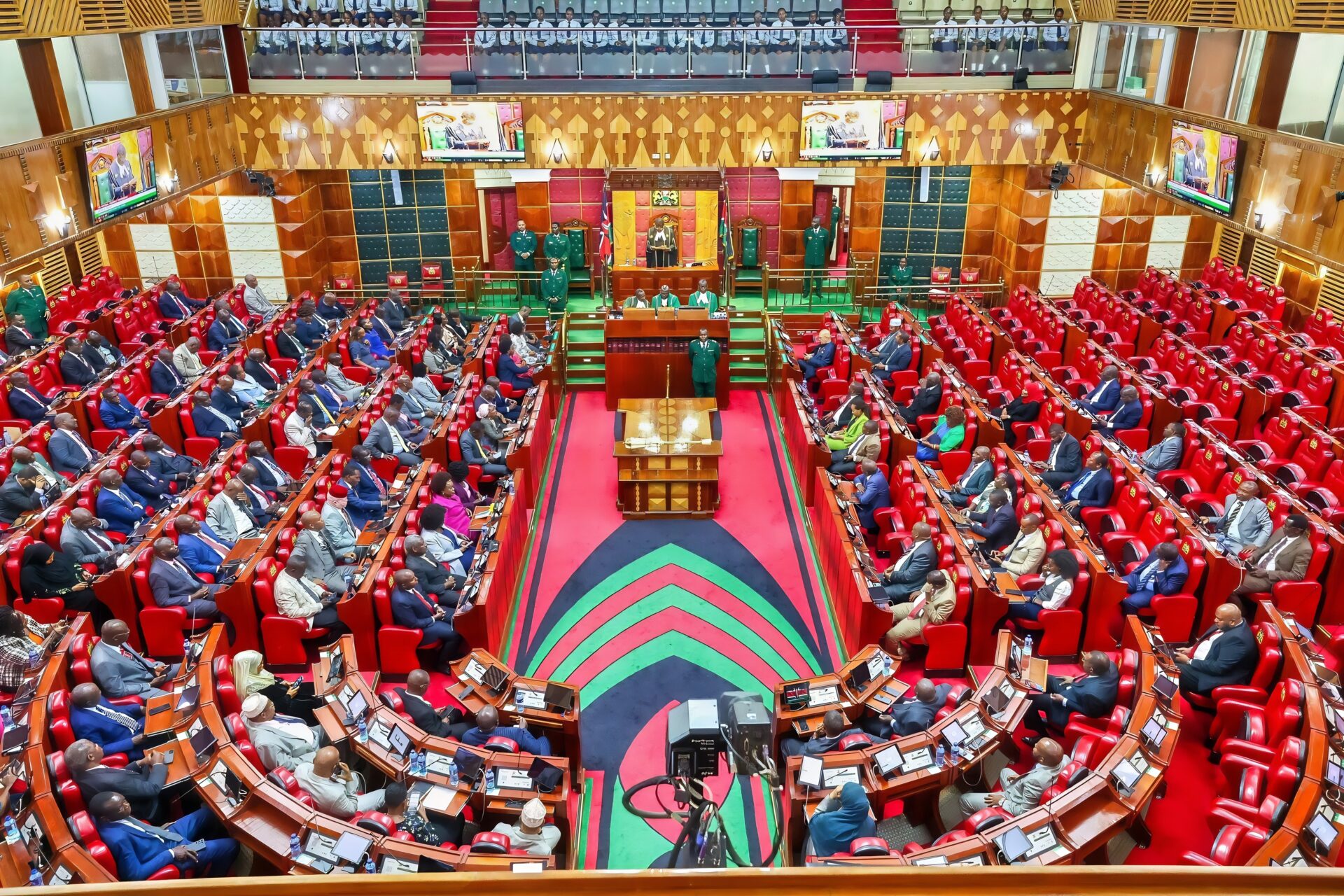
Yet, beyond the procedural details lies a profound truth: governance is ultimately about people. It is about ensuring that farmers in rural Meru have access to clean water, that teachers in remote Sotik receive fair wages, and that Kenyans stranded overseas find solace in knowing their government stands ready to help. These are not abstract ideals but tangible realities that shape lives daily. As another adage goes, “A tree is known by its fruit.” The true measure of any legislative action lies not in its eloquence or complexity, but in the lives it transforms. When policies translate into access to water, fair wages, or safe returns from foreign lands, they bear fruit that nourishes the nation.
The debates of 30th April 2025 also underscore a broader lesson: democracy thrives when citizens actively engage with it. As readers reflect on these proceedings, they are invited to consider their role in shaping this narrative. Whether through active civic engagement, holding leaders accountable, or advocating for meaningful change, everyone has a part to play. After all, a nation’s greatness is not determined solely by the actions of its lawmakers but by the collective efforts of its people. Here, we find resonance in yet another saying: “If you want to go fast, go alone; if you want to go far, go together.” Progress requires collaboration—not just within Parliament but across society.
Through the lens of the National Assembly Debates, we see more than a record of transactions. We witness a living testament to the hopes, struggles, and resilience of a nation striving for greatness. The discussions about issues like the Social Protection Bill, teachers’ hardship allowances, and the plight of Kenyans abroad reveal the interconnectedness of governance and humanity. They remind us that every decision made—or delayed—has ripple effects that touch real lives.
Perhaps the most compelling story lies not in the debates themselves, but in what they symbolise: a nation in motion, grappling with its imperfections while striving for improvement. Like a tree reaching skyward, Kenya’s democracy grows stronger with each challenge faced and overcome. Yet, as another proverb reminds us, “Rome was not built in a day.” Progress takes time, effort, and unwavering dedication.
As we close this chapter, let us remember that the journey toward a better future begins with small but deliberate steps. Whether addressing chronic shortages in junior secondary schools, enhancing support networks for marginalised groups, or fostering innovation through technology, each effort contributes to building stronger roots beneath the surface. Like branches reaching skyward towards sunlight, every action taken today paves pathways leading toward greater enlightenment tomorrow—ensuring sunlight penetrates the deepest shadows, illuminating truths otherwise obscured beneath layers of bureaucracy.
Thus, as Kenya continues striving toward Vision 2030 goals, let us reaffirm our duty to uphold principles of democracy, ensuring that every voice finds resonance in the halls of power. After all, even mighty rivers start small before carving vast landscapes over time. Similarly, incremental steps today pave pathways leading toward greater enlightenment tomorrow—ensuring sunlight penetrates the deepest shadows, illuminating truths otherwise obscured beneath layers of bureaucracy. And perhaps therein lies the most compelling story of all: a nation united in purpose, resilient in spirit, and steadfast in its pursuit of greatness.
Abbas J

RELATED PUBLICATIONS:
 A Grand Celebration of Independence: 61st Jamhuri Day in Narok County
 Athi River Queens Triumph in Governor Wavinya Cup: A Boost to the Local Economy
 Strengthening Kenya-China Collaboration: The Luban Workshop at Machakos University
 Empowering Young Leaders: How Kitengela International School is Shaping Kenya’s Future
 Kenya at a Crossroads: People Power Revolution in the Making
 Celebrating Diversity: International Minorities Rights Day in Kenya
 Kenya’s Public Debt: Risks, Reforms, and MTDS Priorities for Economic Stability
 Celebrating Mashujaa Day with Governor Patrick Ole Ntutu
 Commercial Banks in Kenya: Record Fines and Regulatory Challenges
 Healthcare and Land Ownership: Machakos County’s Promise of Progress
 FKF Women Premier League: Thrilling Matches Captivate Fans
 Phantom Debts and Stolen Futures: Kenya’s Crisis of Governance and Human Trafficking