
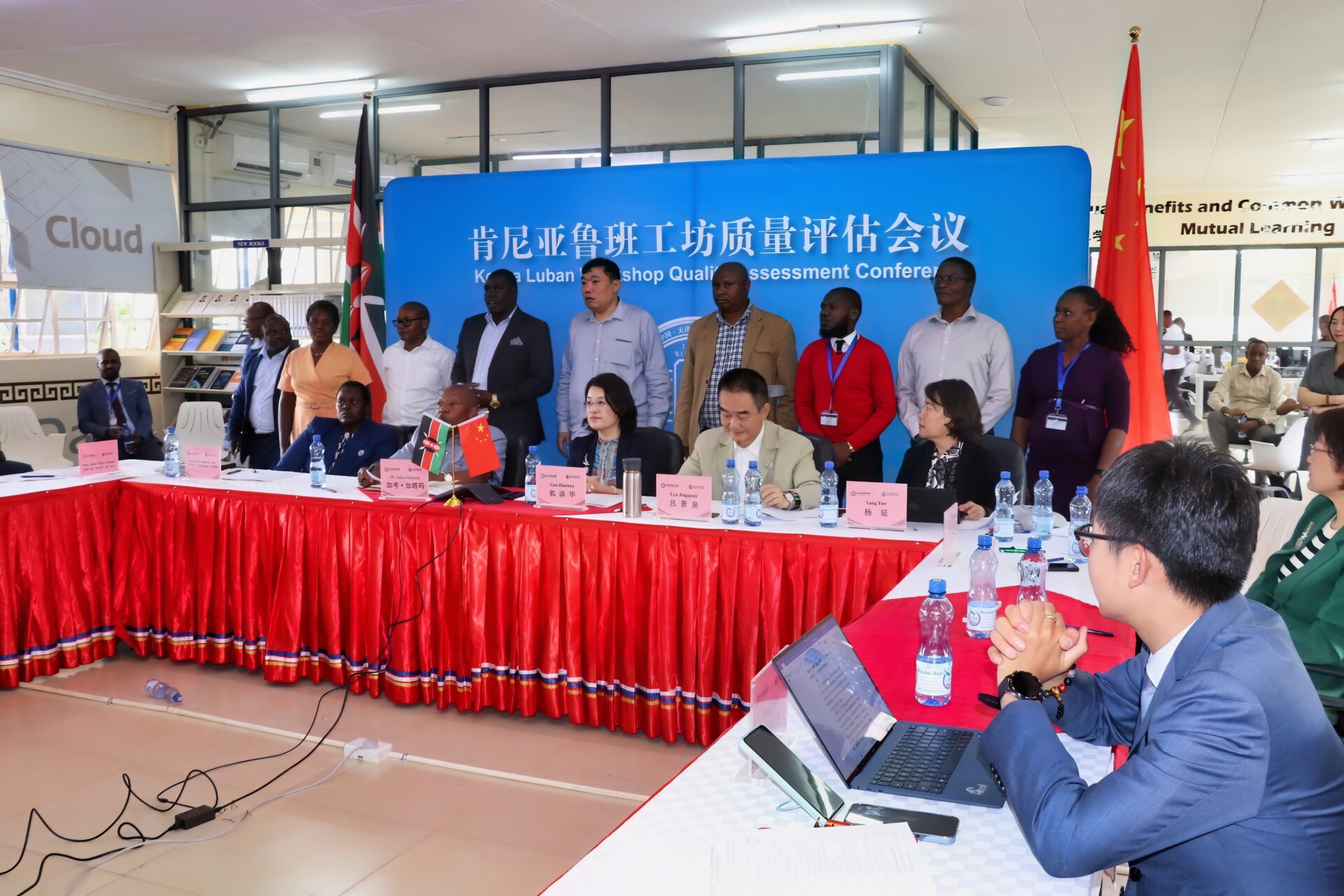
Launch of the Luban Workshop: A New Era of Technical Education in Africa
At Machakos University Hotel and Conference Center, senior government officials from Kenya and Tianjin Municipality, China, convened with academic and industry leaders. This event fostered collaboration and strengthened ties between the two regions in education and technical advancements. The Luban Workshop was identified as a pivotal platform for expanding digital and technical skills, integrating theory and practice, fostering international collaboration, and contributing to capacity building in technical and vocational education. The workshop was evaluated, and the results showed that it was highly effective in construction positioning, development strategies, operational management, teaching resources, and sustainability.
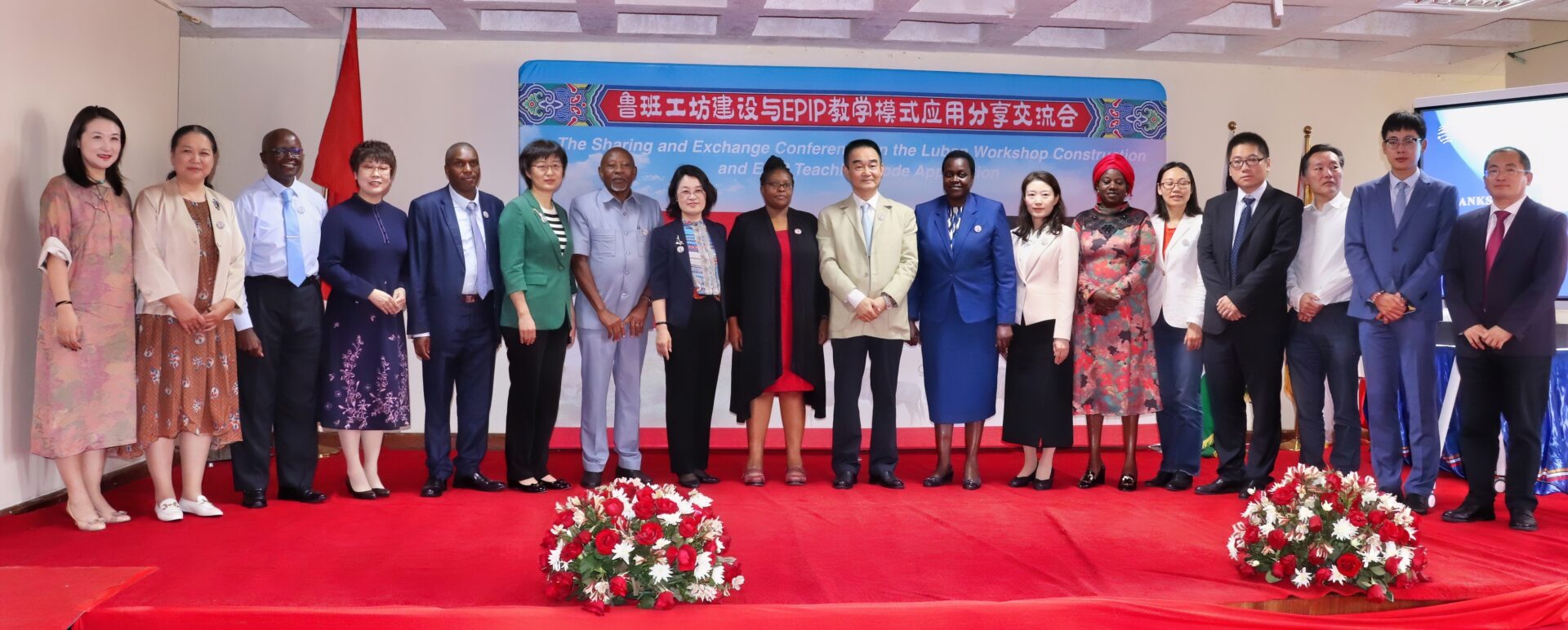
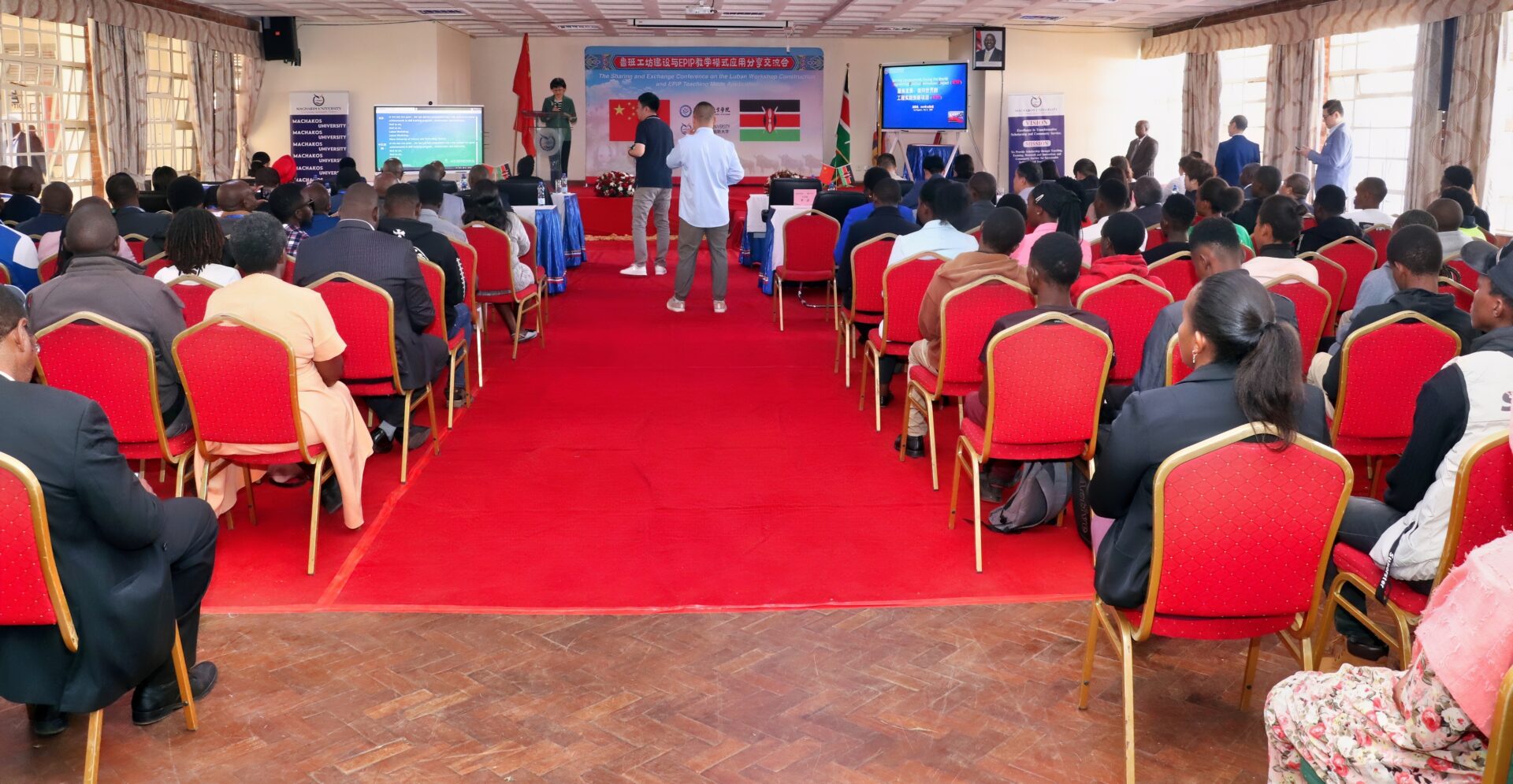
The event, held at Machakos University Hotel and Conference Center, was a significant gathering that brought together senior government officials from Kenya and Tianjin Municipality in China, alongside academic and industry leaders. The event’s primary objective was to encourage collaboration and strengthen ties between the two regions, with a particular focus on educational and technical advancements.
Keynote Addresses
Professor Joyce Agalo, Vice-Chancellor of Machakos University, delivered a keynote address emphasising the importance of the partnership between Machakos University and the Tianjin Municipality. She highlighted how this collaboration would expand the enrollment scale of Luban Workshops, boosting digital and technical skills development within the East African community.
Dr. Christopher Gatama Gakahu: The Council Chair of Machakos University spoke about the transformative impact of the collaboration. He noted that this partnership bridges the gap between theoretical knowledge and practical application, equipping students to excel in a globalised and technologically advanced world. Dr. Gakahu emphasised that this initiative is more than just an educational program; it is a vital contributor to the national development agenda.
Prof. Yang Yan: Representing the Tianjin Academy of Educational Sciences and the Tianjin Luban Workshop Research and Promotion Center, Prof. Yang Yan highlighted the significance of the Luban Workshop as a platform for international collaboration. He noted that the workshop would serve as a hub for higher vocational and technical education, aligned with China’s Belt and Road Initiative.
Dr. Joyce Wanjiru Ngure: Reading the speech for The Cabinet Secretary, State Department of Higher Education and Research, Ministry of Education, Kenya, Dr. Joyce Wanjiru Ngure reiterated the shared commitment to capacity building and excellence in technical and vocational education. She emphasised the importance of this collaboration in fostering innovation and development in the region.
Expanding Digital and Technical Skills
Professor Joyce Agalo emphasised the significant impact of the partnership between Machakos University and the Tianjin Municipality in China on expanding digital and technical skills within the East African community. This collaboration aims to address the growing demand for skilled professionals in various technical fields by increasing the enrollment scale of Luban Workshops.
Boosting Digital Skills
The partnership’s primary focus is on enhancing digital skills, which are of paramount importance in today’s technology-driven world. By expanding the enrolment capacity of Luban Workshops, more students will have the opportunity to gain expertise in areas such as computer science, information technology, and digital communication. These competencies are highly sought after by a wide range of industries, including software development, cybersecurity, and digital marketing.
Enhancing Technical Skills
In addition to digital skills, the partnership aims to boost technical skills development. This will include training in fields such as engineering, manufacturing, and construction. The Luban Workshops will provide practical experience and hands-on training, ensuring that students are well-prepared to meet the demands of the job market. The partnership’s strategic objective is to bridge the gap between theoretical knowledge and practical application by equipping students with these market-relevant skills.
Expanding Enrollment Scale
A key element of the partnership is the expansion of the enrolment scale of Luban Workshops. This will ensure that more students from the East African community have access to high-quality technical and vocational education. By increasing the number of students enrolled in these programmes, the partnership aims to create a larger pool of skilled professionals who can contribute to the region’s economic development.
Impact on the East African Community
The East African community will undoubtedly benefit from the expansion of digital and technical skills through the Luban Workshops. By equipping students with the necessary skills and knowledge, the partnership will contribute to the creation of employment opportunities and the reduction of unemployment. Furthermore, the development of a skilled workforce will attract investment and promote economic growth in the region.
Bridging Theory and Practice
Dr. Christopher Gatama Gakahu, Chair of the Council at Machakos University, emphasised the transformative impact of the collaboration between Machakos University and Tianjin Municipality. This partnership is designed to bridge the gap between theoretical knowledge and practical application, a crucial aspect of modern education.
Transformative Impact
The collaboration aims to transform the educational experience by integrating practical skills with theoretical learning. This approach ensures that students are not only knowledgeable but also capable of applying their knowledge in real-world scenarios. By implementing this initiative, we are confident that our students will be well-equipped to thrive in a globalised and technologically advanced world.
Equipping Students for Success
Dr. Gakahu emphasised that the initiative equips students with the skills and knowledge necessary to excel in their chosen careers. The partnership provides hands-on training and practical experience, which are essential for students to thrive in various industries. This practical approach to education helps students to develop problem-solving skills, critical thinking, and adaptability, making them more competitive in the job market.
Beyond an Educational Program
Dr. Gakahu remarked that this initiative is more than just an educational programme; it is a vital contributor to the national development agenda. By producing skilled and competent graduates, the collaboration supports the country’s economic growth and development. The initiative is in alignment with the national goals of fostering innovation, enhancing productivity, and building a skilled workforce that can drive the country’s progress.

Bridging the Gap
The collaboration between Machakos University and Tianjin Municipality links theoretical knowledge with practical application by:
- Providing Hands-On Training: Students acquire practical experience through workshops, internships, and industry collaborations.
- Enhancing Curriculum: The curriculum has been meticulously designed to incorporate both theoretical and practical components, ensuring a comprehensive and well-rounded educational experience.
- Fostering Industry Connections: The collaboration creates opportunities for students to connect with industry leaders and gain insights into real-world applications of their studies.
- Promoting Innovation: By encouraging practical application, the initiative fosters innovation and creativity among students.
Platform for International Collaboration
Professor Li Yan, Board Chairman of Tianjin City Vocational College, emphasised the importance of the Luban Workshop as a platform for international collaboration. This initiative is designed to foster global partnerships and enhance the quality of vocational and technical education.
Significance of the Luban Workshop
The Luban Workshop is a significant initiative that aims to bridge educational gaps and promote international cooperation. By serving as a hub for higher vocational and technical education, the workshop provides a platform for students and educators from different countries to collaborate, share knowledge, and develop new skills.
Aligned with China’s Belt and Road Initiative
The Luban Workshop is in alignment with China’s Belt and Road Initiative, an ambitious scheme seeking to enhance global connectivity and cooperation. This strategic partnership ensures that the workshop benefits from the resources and support of this extensive international development strategy. The Initiative’s core objective is to stimulate economic growth and development through infrastructure projects, trade, and cultural exchange, and the Luban Workshop is instrumental in delivering this educational aspect of the Initiative.
Enhancing Vocational and Technical Education
The Luban Workshop is dedicated to the enhancement of vocational and technical education through the provision of cutting-edge facilities, advanced training programmes, and avenues for practical experience. This integrated approach ensures that students receive a comprehensive education that combines theoretical knowledge with practical skills. The workshop’s emphasis on practical training prepares students to meet the demands of the global job market.
Fostering Global Partnerships
One of the key objectives of the Luban Workshop is to foster global partnerships. By bringing together students, educators and industry leaders from different countries, the workshop fosters a collaborative environment that encourages the exchange of ideas and best practices. These partnerships contribute to enhancing the quality of education and fostering innovation in vocational and technical domains.
Impact on Students and Educators
The international collaboration facilitated by the Luban Workshop has a significant impact on both students and educators. Students benefit from exposure to diverse perspectives and advanced training techniques, while educators gain insights into new teaching methods and curriculum development. This exchange of knowledge and expertise enhances the overall quality of education and prepares students for successful careers in a globalised world.
Commitment to Capacity Building
Dr. Joyce Ngure, Assistant Director of Research in Kenya’s Ministry of Education, emphasised the significance of the agreement between Machakos University and Tianjin Municipality in China. The agreement emphasises a shared commitment to capacity building and excellence in technical and vocational education. Let’s explore what this commitment entails:
Capacity Building
Capacity building refers to the process of developing and strengthening the skills, abilities, and resources that individuals and organisations need to thrive. In the context of this agreement, capacity building focuses on enhancing the capabilities of students, educators, and institutions involved in technical and vocational education.
Enhancing Skills and Abilities
The agreement aims to provide students with the necessary skills and knowledge to excel in their chosen fields. By offering advanced training programmes and practical experience, the partnership ensures that students are well-prepared to meet the demands of the job market. This emphasis on skill development is pivotal in cultivating a workforce that is both competent and competitive.
Strengthening Educational Institutions
In addition to enhancing individual skills, the agreement also aims to strengthen the educational institutions involved. This will be achieved by providing resources, infrastructure, and support to improve the quality of education. By investing in the development of these institutions, the partnership ensures that they can continue to offer high-quality education and training.
Promoting Excellence in Technical and Vocational Education
The agreement’s key goal is to ensure excellence in technical and vocational education. This involves establishing rigorous standards for education and training programmes, ensuring that they are aligned with industry needs and global best practices. The partnership’s promotion of excellence aims to produce graduates who are skilled, innovative and adaptable.
Shared Commitment
The agreement reflects a shared commitment between Kenya and Tianjin Municipality to invest in the future of technical and vocational education. This collaboration underscores the significance of international partnerships in addressing global challenges and promoting sustainable development. By working together, both regions can leverage their strengths and resources to achieve common goals.
Impact on the Community
The commitment to capacity building and excellence in technical and vocational education has a significant impact on the community. By providing high-quality education and training, the partnership helps to create job opportunities, reduce unemployment, and promote economic growth. Furthermore, the development of a skilled workforce is a key factor in attracting investment and supporting the growth of local industries.
Impact and Contributions of the Luban Workshop
Launch and Objectives
The Luban Workshop at Machakos University, which was inaugurated on 14th December 2019, is the second of its kind in Africa. This initiative is designed to provide vocational skills training to African youth as part of the Belt and Road Initiative. The workshop is supported by China’s Ministry of Education, the Tianjin Municipal Education Commission, and the Hebei District Government. Its primary objective is to integrate industry and education to produce skilled personnel for global, technology-driven industries.
Providing Vocational Skills Training
The Luban Workshop is dedicated to providing African youth with the essential vocational skills they need to thrive in their future careers. These skills are highly sought after by a wide range of industries, including manufacturing, construction, information technology, and more. The workshop’s practical approach, involving hands-on training, ensures that students are well-equipped to meet the challenges and expectations of the job market.
Integration of Industry and Education
A key contribution of the Luban Workshop is its integration of industry and education. This approach bridges the gap between theoretical knowledge and practical application. Students receive training that is directly relevant to industry needs, making them more competitive and employable. Collaborations with industry partners ensure that training programs remain current with technological advancements and industry standards.
Support from Chinese Institutions
The success of the Luban Workshop is greatly attributed to the support provided by China’s Ministry of Education, the Tianjin Municipal Education Commission, and the Hebei District Government. These institutions provide resources, expertise, and funding to ensure the workshop’s sustainability and effectiveness. Their involvement emphasises the significance of international collaboration in promoting technical and vocational education.
Impact on African Youth
The Luban Workshop has a significant impact on African youth by equipping them with the skills and knowledge required to succeed in a globalised economy. The training programmes are designed to equip students with the necessary skills to secure employment, start their own businesses, and contribute to the economic development of their communities. By equipping young people with the necessary vocational skills, the workshop plays a vital role in addressing youth unemployment and driving economic growth in the region.
Contribution to the Belt and Road Initiative
The Luban Workshop is in alignment with the goals of the Belt and Road Initiative, which aims to enhance global connectivity and cooperation. By offering vocational training to African youth, the workshop plays a crucial role in developing a skilled workforce that can support infrastructure projects and economic activities under the initiative. This collaboration strengthens ties between China and African countries, promoting mutual growth and development.
Key Projects Supported by the Luban Workshop
The Luban Workshop at Machakos University is supporting a number of key projects that are crucial for the development of technology-driven industries. These projects are designed to provide students with practical experience and skills that are highly relevant in today’s global job market. Let’s explore these key projects in more detail:
Cloud Data Centers
Cloud data centres are vital for storing and managing large amounts of data. The Luban Workshop provides training on the design, implementation, and maintenance of cloud data centres. This project equips students with the skills needed to work with cloud computing technologies, which are increasingly important for businesses and organisations worldwide.
Cloud Computing and IoT Systems
The workshop will also focus on cloud computing and Internet of Things (IoT) systems. Cloud computing allows for the delivery of computing services over the internet, while IoT systems connect devices and sensors to collect and exchange data. Training in these areas prepares students to develop and manage advanced technological solutions that are integral to modern industries.
Urban Communication and Fiber-Optic Networks
Urban communication and fibre-optic networks are vital for ensuring fast and reliable internet connectivity in urban areas. The Luban Workshop provides training on the installation, maintenance and optimisation of such networks. This initiative equips students with the necessary skills and expertise in the field of telecommunications, making them highly sought-after professionals for supporting smart city initiatives and enhancing urban infrastructure.
Urban Safety Monitoring Systems
Urban safety monitoring systems are designed to enhance public safety by monitoring and managing urban environments. The workshop provides students with the necessary training to develop and implement these systems, which include surveillance cameras, sensors, and data analysis tools. This initiative equips students with the skills necessary to contribute to the safety and security of urban areas.
Intelligent Transportation Systems
Intelligent transportation systems (ITS) employ sophisticated technologies to enhance the efficiency and safety of transportation networks. The Luban Workshop provides training on the design and management of ITS, including traffic management, public transportation systems, and vehicle-to-infrastructure communication. This project prepares students to work on innovative solutions that address transportation challenges in urban areas.
Evaluation and Contributions of the Luban Workshop
The evaluation of the Luban Workshop at Machakos University focused on several critical aspects to ensure its effectiveness and sustainability. These aspects included construction positioning, development strategies, operational management, teaching resources, and sustainability. We will now examine each of these areas in more detail and highlight the significant contributions made to the workshop.
Construction Positioning
Construction positioning refers to the strategic placement and design of the workshop facilities. The evaluation assessed whether the workshop’s infrastructure was optimally located and designed to facilitate effective learning and training. Key considerations include accessibility, space utilisation, and the suitability of the facilities for various training programmes.
Development Strategies
Development strategies encompass the planning and execution of initiatives aimed at enhancing the workshop’s growth and impact. The evaluation examined the effectiveness of these strategies in achieving the workshop’s objectives. This included an assessment of the alignment of the workshop’s goals with industry needs, the integration of new technologies, and the expansion of training programs to accommodate more students.
Operational Management
Operational management is all about the day-to-day running of the workshop. The evaluation assessed the efficiency and effectiveness of the workshop’s management practices. This includes evaluating administrative processes, resource allocation, staff performance, and the overall organisational structure. An effective operational management system is integral to the smooth running of the workshop and the delivery of high-quality training.
Teaching Resources
Teaching resources are vital for delivering high-quality education and training. The evaluation examined the availability and quality of teaching materials, equipment, and facilities. This included an assessment of the adequacy of classrooms, laboratories, and training tools. Notable contributions to the workshop included the donation of advanced equipment such as laptops and 3D printers, which enhance the learning experience and provide students with hands-on training opportunities.
Sustainability
Sustainability is a crucial aspect of the workshop’s long-term success. The evaluation assessed the workshop’s ability to maintain its operations and continue providing high-quality training in the future. This evaluation encompasses financial stability, resource management and the implementation of sustainable practices. Ensuring sustainability is vital for the workshop to continue benefiting students and contributing to the region’s economic development.
Notable Contributions
One of the most significant contributions to the Luban Workshop was the donation of advanced equipment such as laptops and 3D printers. These tools are essential for modern technical and vocational training, providing students with the opportunity to work with cutting-edge technology. The availability of such equipment enhances the quality of education and prepares students for careers in technology-driven industries.
Conclusion: Strengthening Educational and Technical Ties
The conference at Machakos University Hotel and Conference Centre concluded with valuable contributions from Duan Yarui of the Hebei District Educational Bureau of Tianjin and Dr. Christopher Gakahu, Chairman of the Council of Machakos University. This event marked a pivotal moment in strengthening educational and technical ties between Kenya and the Tianjin Municipality of China.
Enhanced Collaboration
The enhanced collaboration promises to leverage the Luban Workshop as a vital platform for advancing technical education and fostering innovation in Africa. The keynote addresses delivered by prominent leaders emphasised the importance of this partnership in promoting educational excellence and technological advancement.
Expanding Digital and Technical Skills
Professor Joyce Agalo emphasised that the partnership between Machakos University and Tianjin Municipality will expand the enrolment scale of Luban Workshops, thereby boosting digital and technical skills development within the East African community. This collaboration aims to address the growing demand for skilled professionals, enhance technical and digital skills, and contribute to the region’s economic development.

Bridging Theory and Practice
Dr. Christopher Gatama Gakahu emphasised the transformative impact of the collaboration. By connecting the dots between theoretical knowledge and practical application, the initiative equips students to excel in today’s globalised and technologically advanced world. This partnership is more than just an educational program; it is a vital contributor to the national development agenda, supporting economic growth and fostering innovation.
Platform for International Collaboration
Professor Li Yan emphasised the importance of the Luban Workshop as a platform for international collaboration. In alignment with China’s Belt and Road Initiative, the workshop functions as a pivotal hub for higher vocational and technical education, cultivating global partnerships and elevating the calibre of education. This initiative plays a crucial role in preparing students and educators for the demands of the global job market.
Commitment to Capacity Building
Dr. Joyce Ngure emphasised that the agreement between Machakos University and Tianjin Municipality underscores a shared commitment to capacity building and excellence in technical and vocational education. This commitment involves enhancing skills and abilities, strengthening educational institutions, promoting excellence, and fostering international collaboration. The impact of this commitment extends beyond education, contributing to the overall development and prosperity of the community.
Significant Contributions
The Luban Workshop at Machakos University has made significant contributions by providing vocational skills training, integrating industry and education, and receiving support from Chinese institutions. Its impact on African youth and alignment with the Belt and Road Initiative underscore the significance of international collaboration in promoting technical and vocational education.
Key Projects
Key projects supported by the Luban Workshop at Machakos University include cloud data centres, cloud computing and IoT systems, urban communication and fibre-optic networks, urban safety monitoring systems, and intelligent transportation systems. These projects provide students with practical experience and skills that are essential for thriving in technology-driven industries.
Evaluation and Contributions
The evaluation of the Luban Workshop focused on critical aspects such as construction positioning, development strategies, operational management, teaching resources, and sustainability. Significant contributions, including the donation of advanced equipment, have considerably enhanced the workshop’s capacity to deliver high-quality vocational training and support the development of skilled professionals.
The conference at Machakos University Hotel and Conference Centre was a pivotal moment for strengthening educational and technical ties between Kenya and the Tianjin Municipality. The collaboration promises to advance technical education, foster innovation, and contribute to the economic development of the East African community.
Abbas J

RELATED PUBLICATIONS:
 Kenya at a Crossroads: People Power Revolution in the Making
 Celebrating Mashujaa Day with Governor Patrick Ole Ntutu
 A Grand Celebration of Independence: 61st Jamhuri Day in Narok County
 Athi River Queens Triumph in Governor Wavinya Cup: A Boost to the Local Economy
 Kenyan MPs Advocate for Diaspora Engagement: Policy Shifts in the National Assembly
 Mashujaa Day: President Ruto Lauds Multifaceted Approach to Housing and Environmental Sustainability
 The Presidential Standard: A Symbol of Authority and Kenyan Pride
 Commercial Banks in Kenya: Record Fines and Regulatory Challenges
 Celebrating Diversity: International Minorities Rights Day in Kenya
 A Spirited Celebration of Leadership and Unity: A Day with the Pokomo Community
 Empowering Young Leaders: How Kitengela International School is Shaping Kenya’s Future